
Movie spotlight
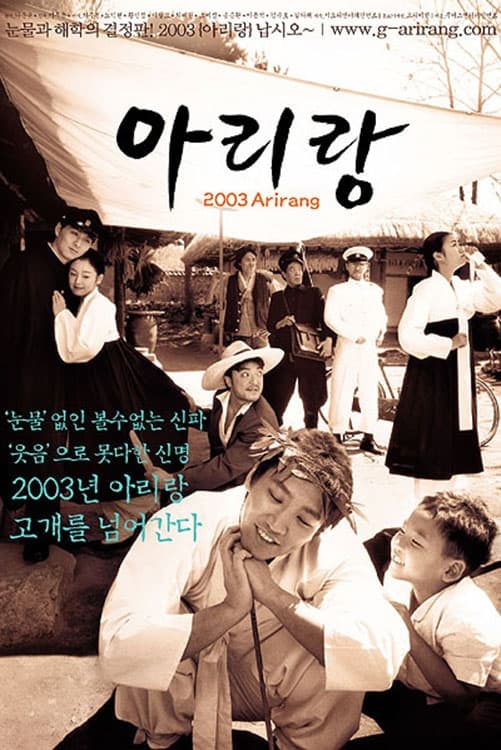
Arirang
Simple-minded Yeong-jin is considered to be the village idiot. But he holds the key to saving his sister's boyfriend. The latter stands accused of killing the policeman who was raping his Yeong-jin's sister
Insights
Plot Summary
A documentary-style film that blurs the lines between reality and fiction, 'Arirang' follows director Kim Ki-duk as he retreats to a remote mountain studio. He grapples with the traumatic accident on the set of his previous film and contemplates his own existence, engaging in self-destructive acts and expressing deep despair. The film serves as a raw and deeply personal exploration of his artistic struggles and mental turmoil.
Critical Reception
Kim Ki-duk's 'Arirang' was a highly personal and intense film that garnered significant attention for its raw emotional honesty and unique cinematic approach. Critics praised its unflinching self-examination and its artistic bravery, though some found its bleakness challenging. Audiences were divided, with many resonating with its profound exploration of artistic suffering, while others found it too introspective.
What Reviewers Say
A profoundly personal and often harrowing exploration of an artist's psyche.
Praised for its raw honesty and daring introspection, though its bleakness can be difficult.
A unique blend of documentary and fictional elements that challenges conventional filmmaking.
Google audience: Information on Google user reviews for this specific film is not readily available.
Awards & Accolades
Won the Un Certain Regard prize at the 2011 Cannes Film Festival.
Fun Fact
The film's title refers to a traditional Korean folk song, 'Arirang,' which is often considered an unofficial anthem of Korea. Kim Ki-duk uses the song's themes of sorrow and resilience to parallel his own struggles.
AI-generated overview · Verify ratings on official sources