
Movie spotlight
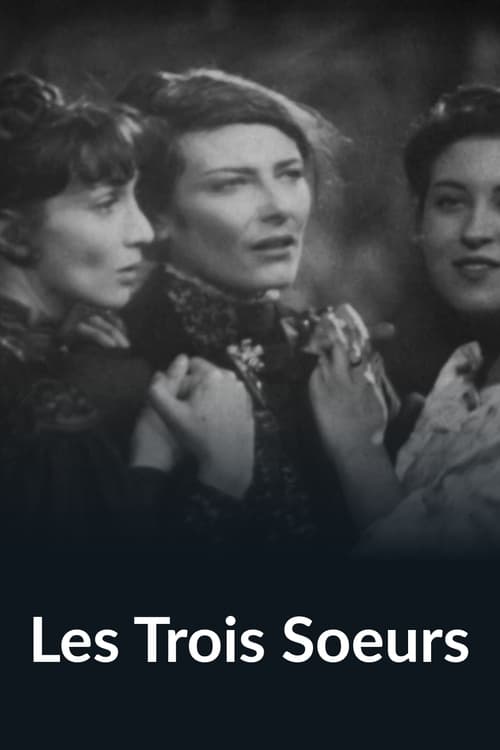
Les Trois Sœurs
A year after the death of their father, life can begin again for Macha, Olga, Irina and their brother, Andrei. But the unpredictability of life destroys their hopes and certainties. The sisters of failed dreams now live in an idle city where everything has to start again. Chekhov's drama about loss and regaining meaning.
Insights
Plot Summary
This French television adaptation of Anton Chekhov's classic play "Three Sisters" captures the poignant story of the Prozorov family and their longing for Moscow. The play unfolds in a remote Russian province, detailing the sisters' disillusionment with their provincial lives and their fervent desire to return to the vibrant city of their youth. Their dreams and aspirations clash with the realities of their stagnant existence, highlighting themes of unfulfilled desires, societal constraints, and the passage of time.
Critical Reception
As a television adaptation of a canonical play, 'Les Trois Sœurs' was primarily appreciated for its faithful rendition of Chekhov's themes and its strong performances from its acclaimed stage actors. Critical reception often focused on its theatricality and the challenge of translating such a character-driven drama to the visual medium of television. Audiences familiar with Chekhov's work would have found this adaptation a solid, if perhaps conventional, representation of the original play.
What Reviewers Say
A faithful and well-acted adaptation of Chekhov's beloved play.
Highlights the melancholic atmosphere and yearning for a different life.
Offers a strong theatrical experience for television viewers.
Google audience: Information regarding specific Google user reviews for this particular 1960 television adaptation is not readily available, as it predates widespread digital review platforms. However, adaptations of Chekhov's 'Three Sisters' are generally lauded for their emotional depth and character studies.
Fun Fact
This television adaptation was directed by Claude Barma, a pioneer in French television drama, known for his significant contributions to bringing literary works to the small screen in the early days of the medium.
AI-generated overview · Verify ratings on official sources