Movie spotlight
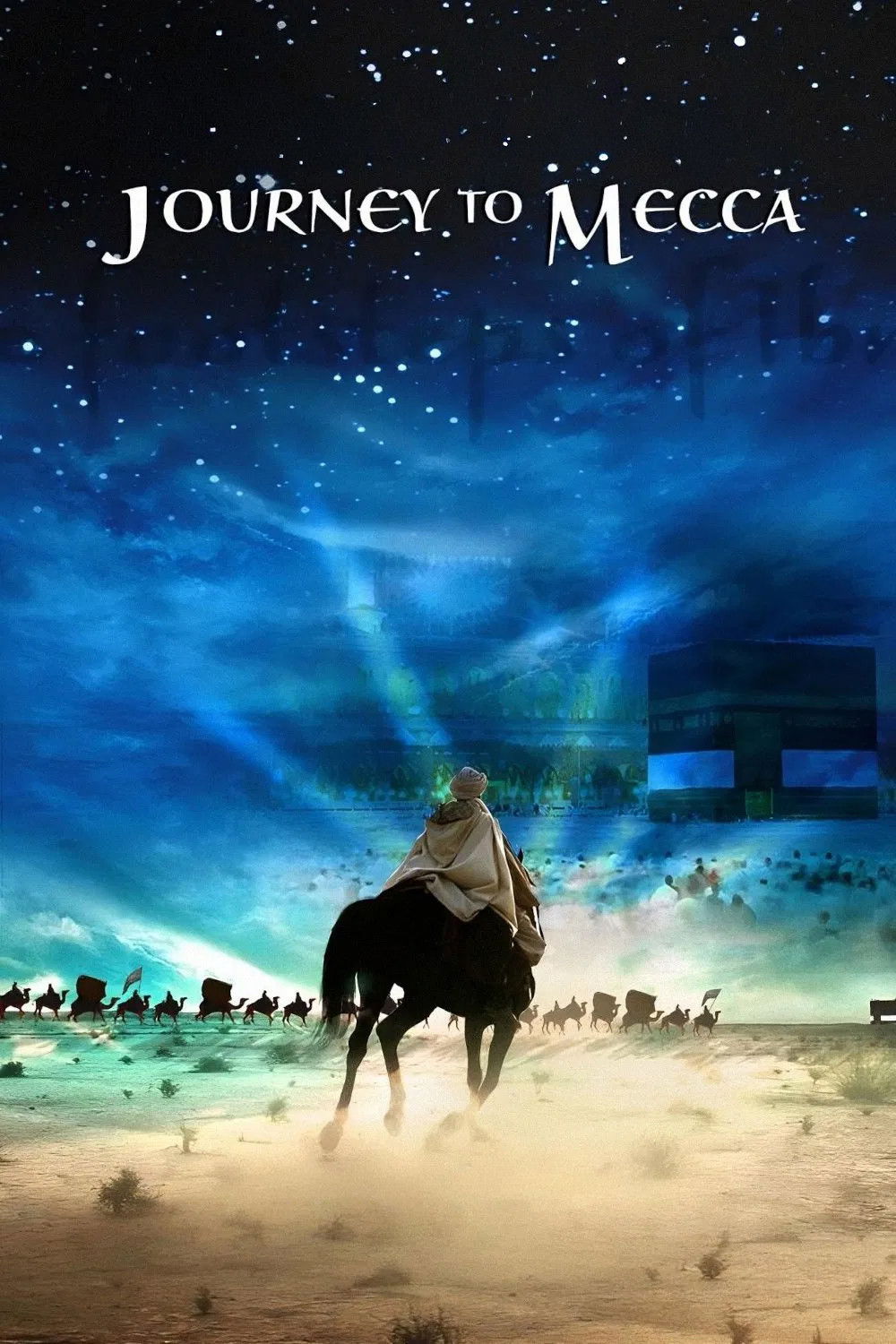
Journey to Mecca
The 20 year old Muslim religious law student Ibn Battuta (1304–1368), whose full name was Abu Abdullah Muhammed Ibn Abdullah Al Lawati Al Tanji Ibn Battuta, set out from Tangier, a city in northern Morocco, in 1325, on a pilgrimage to Mecca, some 3,000 miles (over 4,800 km) to the East. The journey took him 18 months to complete and along the way he met with misfortune and adversity, including attack by bandits, rescue by Bedouins, fierce sand storms and dehydration.
Insights
Plot Summary
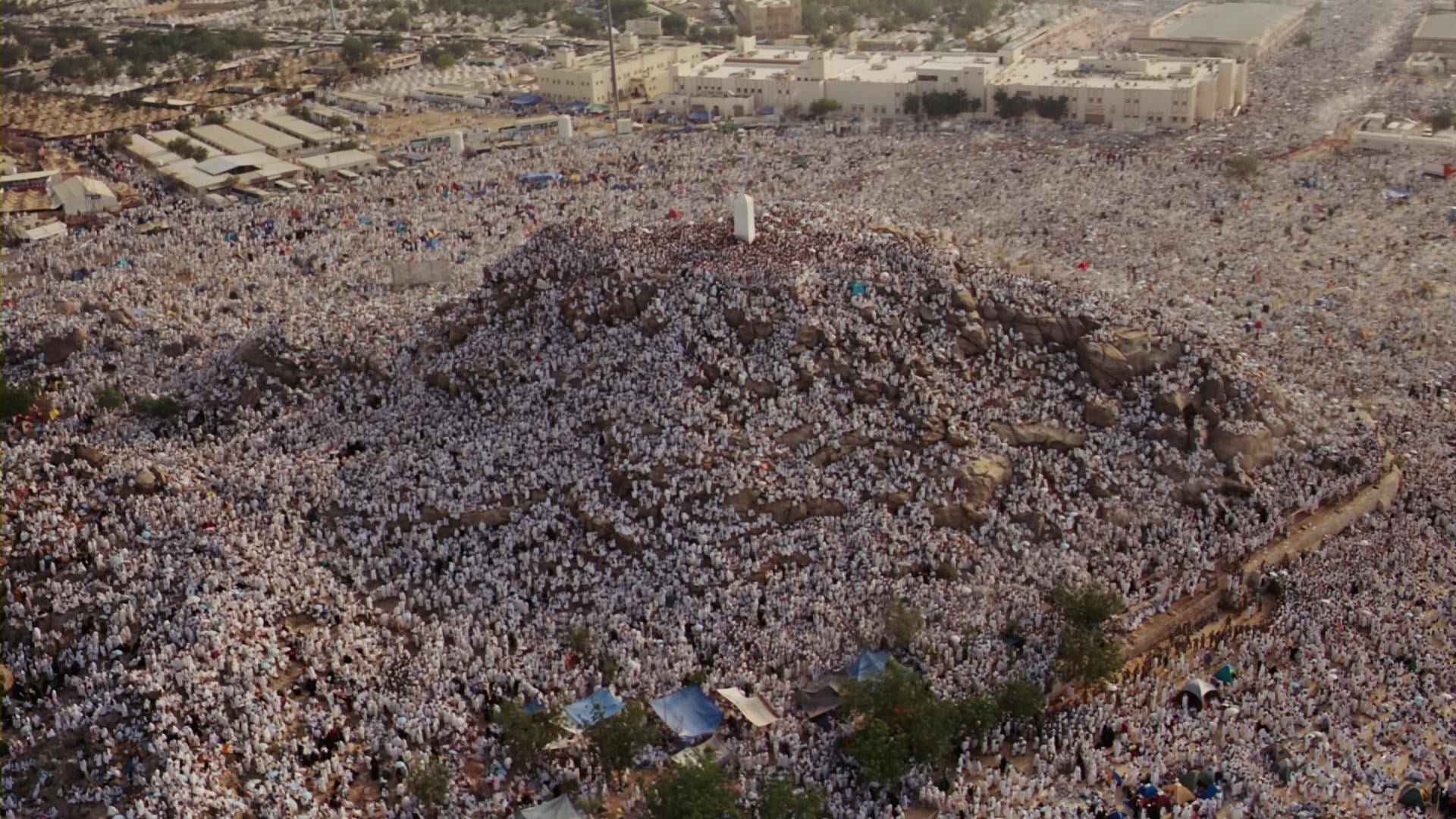
This documentary chronicles the spiritual journey of the Prophet Muhammad's final pilgrimage to Mecca. It explores the historical context, religious significance, and the profound impact of this pivotal event in Islamic history. The film visually re-enacts key moments and provides expert commentary on the rituals and their meaning.
Critical Reception
Journey to Mecca was generally well-received for its educational value and respectful portrayal of a significant religious event. Critics and audiences appreciated its efforts to bring the historical Hajj to life for a modern, global audience, particularly for its accessibility to non-Muslim viewers interested in Islamic history and culture. While not a cinematic blockbuster, its informative and spiritual tone was often highlighted.
What Reviewers Say
Praised for its educational content and historical accuracy.
Appreciated for its respectful and accessible portrayal of Islamic pilgrimage.
Noted for its engaging visuals and spiritual tone.
Google audience: Information on Google user reviews is not readily available for this specific documentary.
Fun Fact
The film utilizes a combination of CGI, historical reenactments, and expert interviews to recreate the atmosphere and events of the Hajj over 1400 years ago.
AI-generated overview · Verify ratings on official sources