Movie spotlight
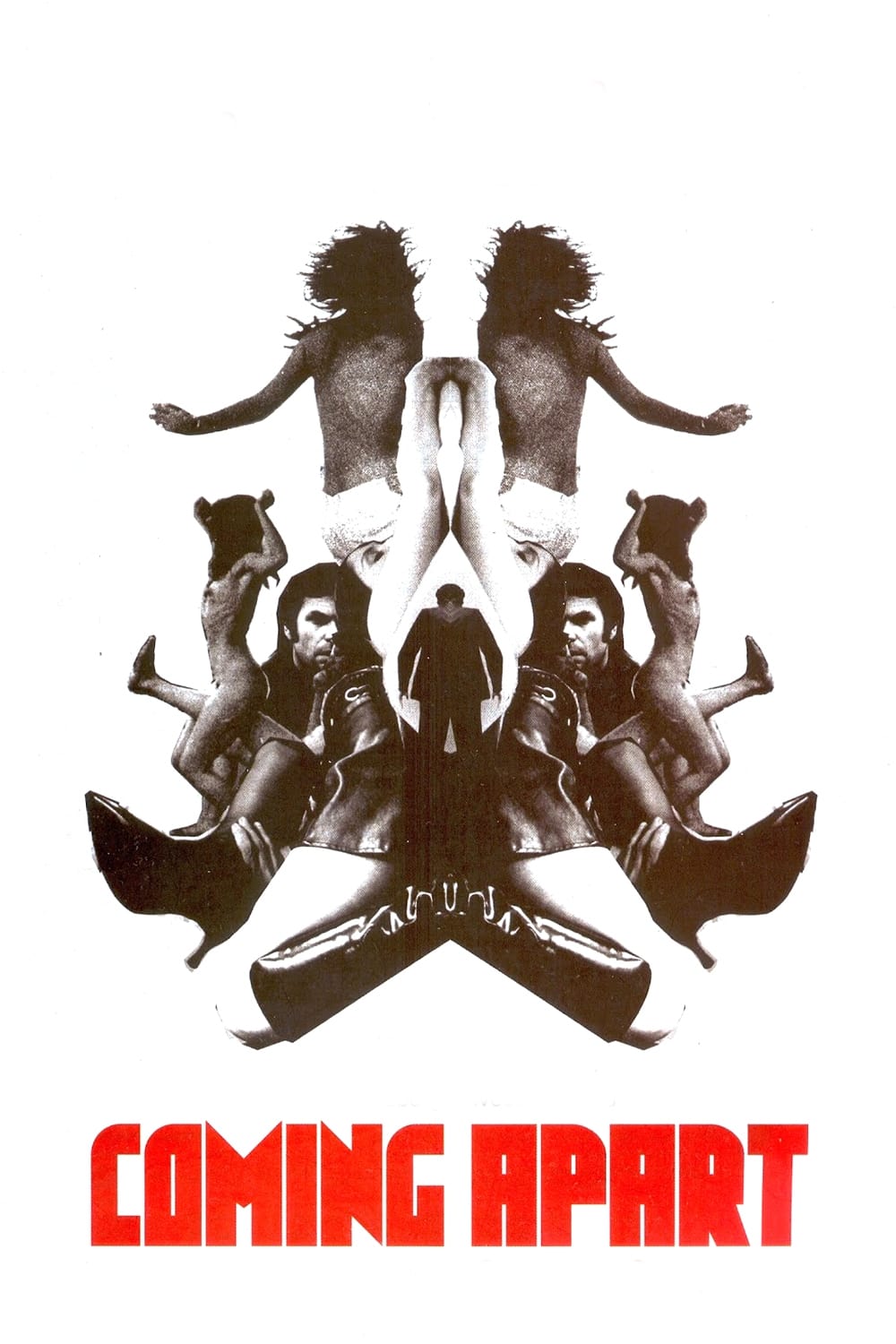
Coming Apart
A psychiatrist secretly films his female patients as an experiment; he pushes both him and his customers in ways that induce his own mental breakdown.
Insights
Plot Summary
This experimental documentary delves into the personal life and psyche of director Milton Moses Ginsberg as he navigates his complex relationships and societal expectations. Utilizing a unique blend of staged scenes, vérité footage, and personal recordings, the film explores themes of sexuality, marriage, and existential angst in late 1960s America. Ginsberg acts as both filmmaker and subject, offering an unflinching, and at times disorienting, look into his own emotional landscape. The narrative unfolds as a stream of consciousness, reflecting the director's own introspective journey.
Critical Reception
Coming Apart was a highly controversial and polarizing film upon its release, praised by some for its raw honesty and innovative filmmaking but criticized by others for its explicit content and perceived self-indulgence. It garnered significant attention during the late 1960s and early 1970s for its daring exploration of personal and sexual politics.
What Reviewers Say
Praised for its boundary-pushing exploration of personal and sexual themes.
Noted for its experimental and intimate documentary style.
Some found the film overly self-indulgent and explicit.
Google audience: Audience reception for 'Coming Apart' is difficult to ascertain through Google reviews due to its niche and experimental nature, but it is generally recognized as a provocative and challenging film from its era.
Fun Fact
The film was shot over a period of two years and features a significant amount of improvised dialogue and action, blurring the lines between documentary and fiction.
AI-generated overview · Verify ratings on official sources