
Movie spotlight
Le nozze di Figaro
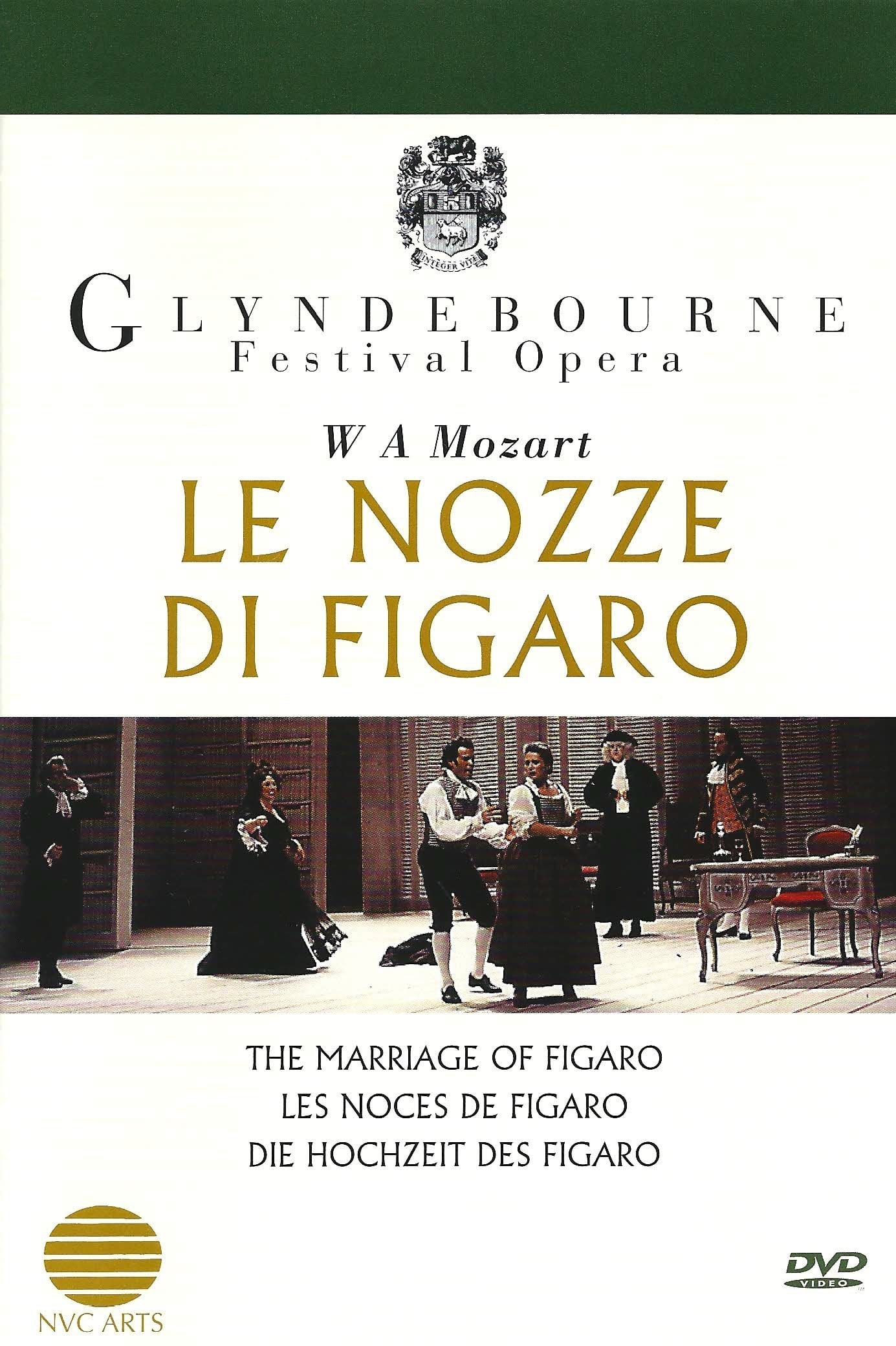
The Marriage of Figaro is a continuation of the plot of The Barber of Seville several years later, and recounts a single "day of madness" in the palace of the Count Almaviva near Seville, Spain. Rosina is now the Countess; Dr. Bartolo is seeking revenge against Figaro for thwarting his plans to marry Rosina himself; and Count Almaviva has degenerated from the romantic youth of Barber into a scheming, bullying, skirt-chasing baritone. This follows the Count trying to obtain favours from Susanna, Figaro's bride to be, under the nose of the Countess.
Insights
Plot Summary
Set in the castle of Count Almaviva near Seville, the opera unfolds on a single, chaotic day. Figaro, the Count's valet, is set to marry Susanna, the Countess's maid. However, their plans are disrupted by the Count's lecherous intentions towards Susanna and Figaro's own schemes to expose the Count's infidelity and marry off Marcellina, to whom he's indebted. Through a series of clever disguises, mistaken identities, and witty confrontations, the servants ultimately outsmart their masters, leading to a harmonious resolution where love triumphs.
Critical Reception
This 1994 production of Mozart's 'The Marriage of Figaro' by John Cox, featuring a notable cast and staged by Glyndebourne, was generally well-received for its musicality and strong vocal performances. Critics often praised the clarity of the staging and the effective portrayal of the opera's comedic and dramatic elements, highlighting the wit and emotional depth of Mozart's score.
What Reviewers Say
Praised for its superb musical direction and vocal talent.
Recognized for a clear and effective staging of the complex plot.
Commended for capturing both the humor and the pathos of Mozart's masterpiece.
Google audience: Audience reception for this specific 1994 production is not extensively documented through aggregated Google reviews. However, general audience appreciation for 'The Marriage of Figaro' as an opera typically centers on its timeless story, beautiful melodies, and engaging characters.
Awards & Accolades
None notable for this specific 1994 television production, though the opera itself is a cornerstone of the classical repertoire.
Fun Fact
The opera's libretto was written by Lorenzo Da Ponte, who also collaborated with Mozart on 'Don Giovanni' and 'Così fan tutte', forming a legendary operatic trilogy.
AI-generated overview · Verify ratings on official sources