
Movie spotlight
The New Gospel
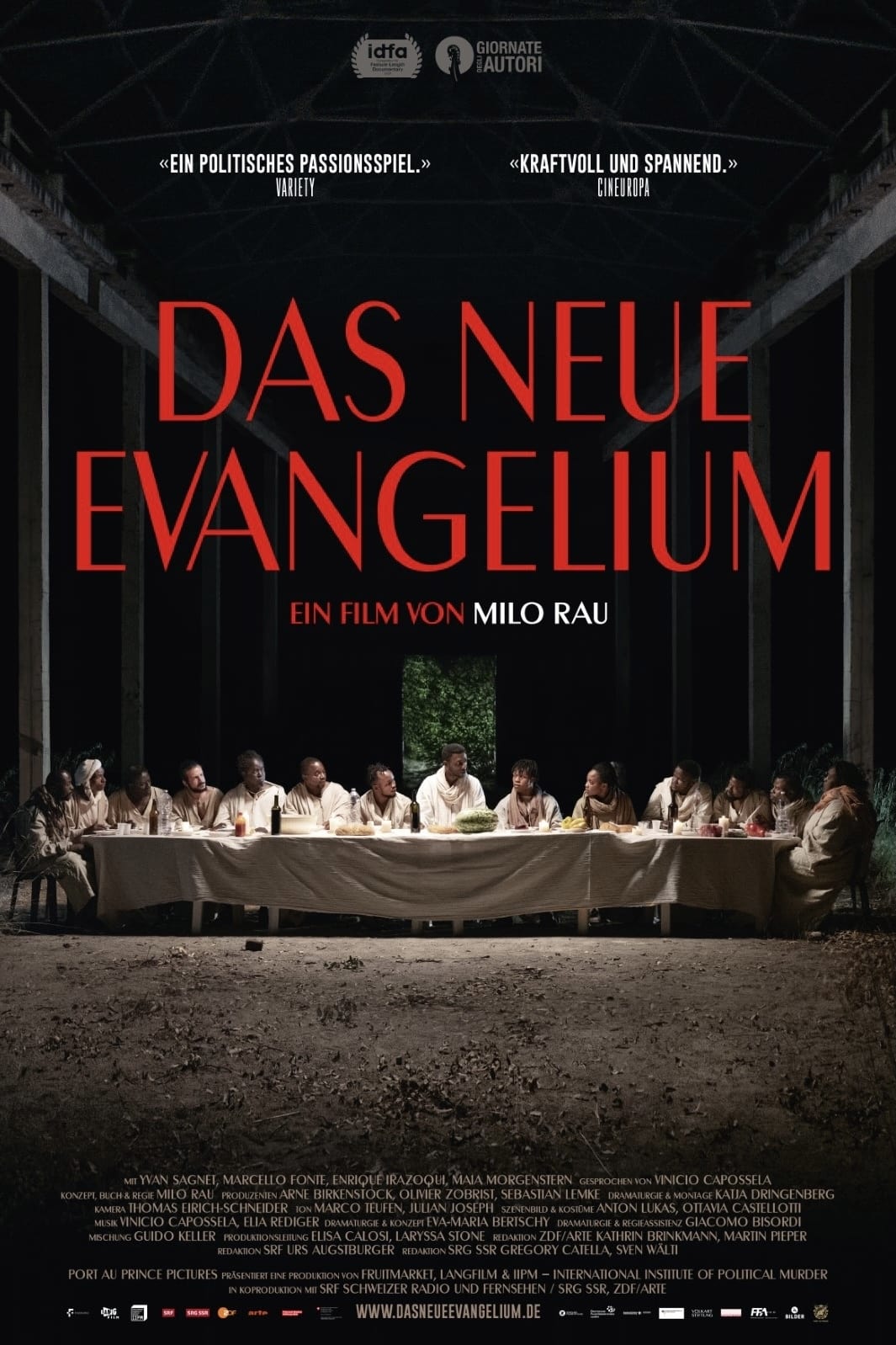
What would Jesus preach in the 21st century? Who would his disciples be? And how would today's society respond to the return of the Son of God? With The New Gospel, Milo Rau is staging a "Revolt of Dignity". Led by political activist Yvan Sagnet, the movement is fighting for the rights of migrants who came to Europe across the Mediterranean to be enslaved on the tomato fields in southern Italy and to live in ghettos under inhumane conditions.
Insights
Plot Summary
The film reimagines the story of Christ in a contemporary setting, with a group of refugees in Rome staging a play about Jesus's life. As the production unfolds, the lines between performance and reality blur, exploring themes of faith, exploitation, and the societal treatment of the marginalized. It delves into the struggles of those seeking a better life and the institutions that often fail them.
Critical Reception
Costa-Gavras's "The New Gospel" received a mixed to positive reception, with critics acknowledging its timely themes and provocative approach. While some praised its powerful message and innovative storytelling, others found its execution uneven or its dramatic impact somewhat diluted. The film sparked discussion regarding its commentary on faith, poverty, and social justice.
What Reviewers Say
Praised for its urgent and relevant message about contemporary social issues.
Noted for its unique blend of documentary and dramatic elements.
Some critics found the narrative structure and thematic exploration to be occasionally unfocused.
Google audience: Audience reception on Google is not widely available for this specific title, making it difficult to provide a summary of user likes or dislikes.
Fun Fact
The film was inspired by the 1968 play 'The Gospel According to Us' by Italian writer and director Pier Paolo Pasolini.
AI-generated overview · Verify ratings on official sources