
Movie spotlight
The Flight of the Eagle
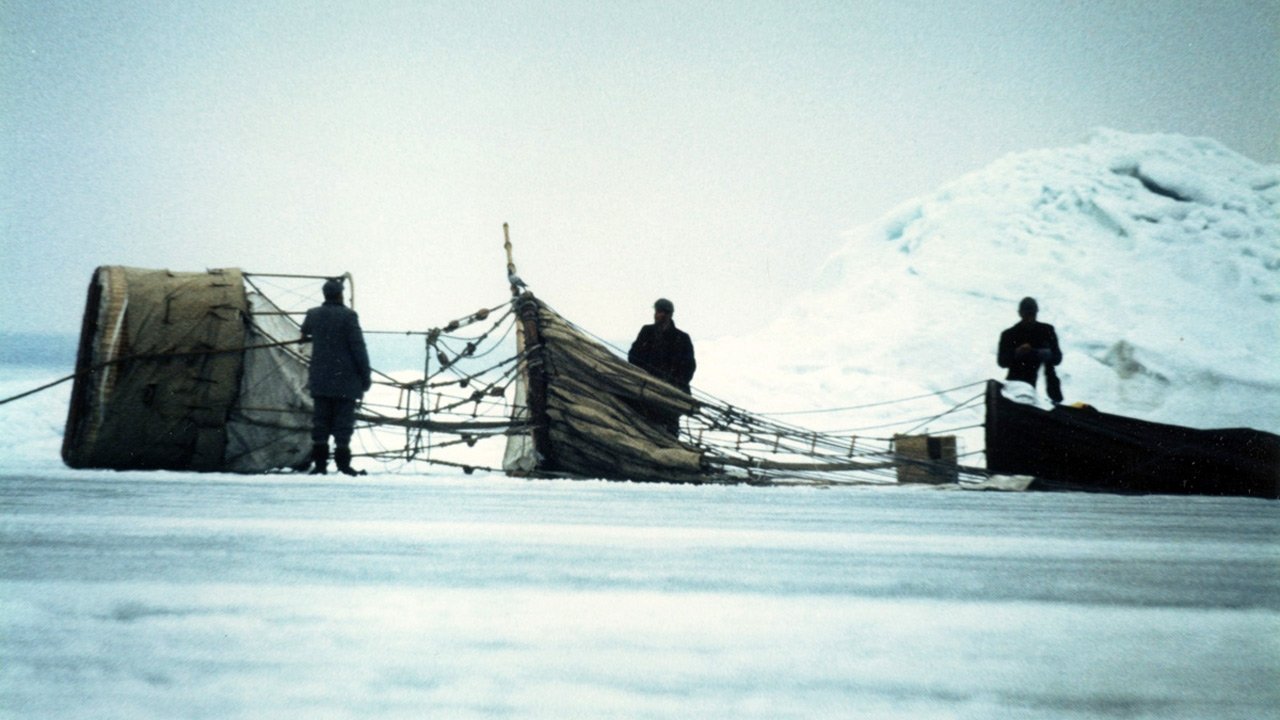
The Swedish 19th century engineer Salomon August Andrée sets out to become the first man on the north pole. His idea is to launch a polar expedition using a hydrogen balloon, together with two friends. The balloon, "The Eagle", takes off from Svalbard in 1897, but the three men are never heard from again.
Insights
Plot Summary
The film chronicles the ill-fated expedition of Swedish inventor and explorer Salomon August Andrée, who in 1897 set out to reach the North Pole in a hydrogen balloon. Despite meticulous planning, the expedition quickly encounters insurmountable challenges, forcing Andrée and his two companions into a desperate fight for survival against the unforgiving Arctic elements.
Critical Reception
The Flight of the Eagle was critically acclaimed for its ambitious scope, stunning cinematography, and powerful performances, particularly from Max von Sydow. It was lauded as a poignant and epic portrayal of human ambition, resilience, and the tragic consequences of venturing into the unknown.
What Reviewers Say
Praised for its epic scale and breathtaking visuals of the Arctic.
Max von Sydow's performance as Salomon Andrée is considered a highlight, capturing the character's determination and eventual despair.
The film is a compelling, albeit tragic, study of human ambition and the power of nature.
Google audience: Audience reception data is not readily available for this title on Google reviews.
Awards & Accolades
Nominated for the Academy Award for Best Foreign Language Film in 1983. Won the Guldbagge Award for Best Film at the 19th Guldbagge Awards.
Fun Fact
The film meticulously recreated the original Andrée balloon expedition, including building a replica of the balloon and gondola based on historical records.
AI-generated overview · Verify ratings on official sources