IMDb6.7/10
Google Users90%
Director: Ryûichi Yagi, Takashi Yamazaki•Genres: Animation, Adventure, Comedy, Drama, Family, Fantasy, Sci-Fi
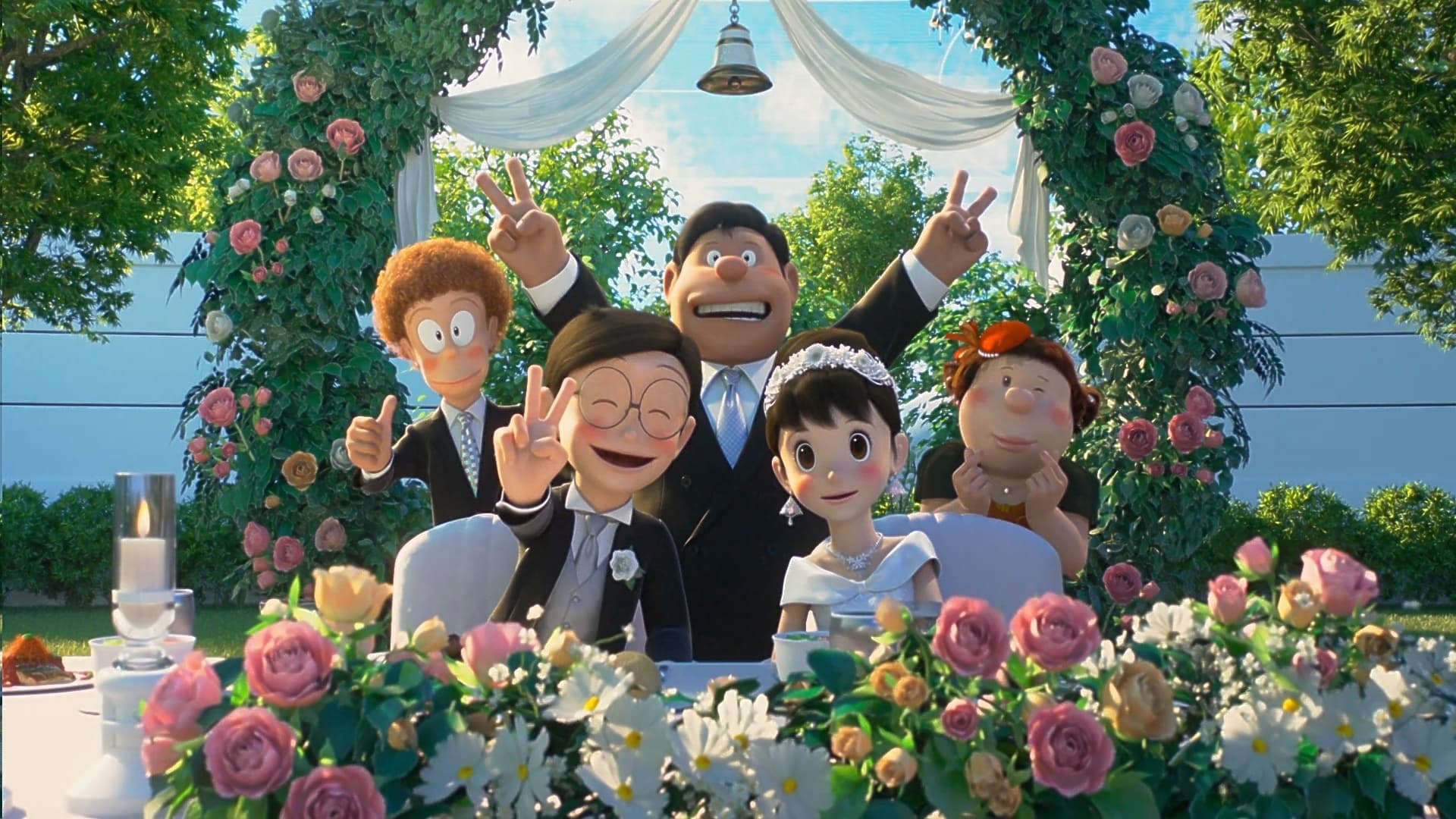
Nobita wishes to become a proper adult and see his grandmother again. His future self and Doraemon grant his wish by traveling back to his childhood and revisiting memories with his beloved Obaachan. As they navigate through these cherished moments, Nobita learns valuable lessons about growing up, facing his fears, and cherishing the bonds of family and friendship. The film culminates in a heartwarming journey that explores the importance of accepting the past and embracing the future.
Stand by Me Doraemon 2 received a generally positive reception from critics and audiences, particularly for its emotional storytelling and faithfulness to the beloved Doraemon characters. While some noted its reliance on familiar tropes, many praised its heartwarming narrative and poignant exploration of themes like family, memory, and growing up. The animation and character designs were widely appreciated, appealing to both long-time fans and new viewers.
Praised for its emotional depth and heartwarming depiction of family bonds.
Appreciated for its nostalgic appeal and faithful portrayal of Doraemon.
Some viewers found the plot to be predictable but enjoyed the overall sentiment.
Google audience: Google users overwhelmingly enjoyed 'Stand by Me Doraemon 2,' with many highlighting its touching story and emotional impact. Audiences particularly loved the nostalgic elements and the heartwarming interactions between Nobita and his grandmother. While a few mentioned it felt similar to the first film, the overall sentiment was highly positive, with many recommending it for its feel-good and tear-jerking moments.
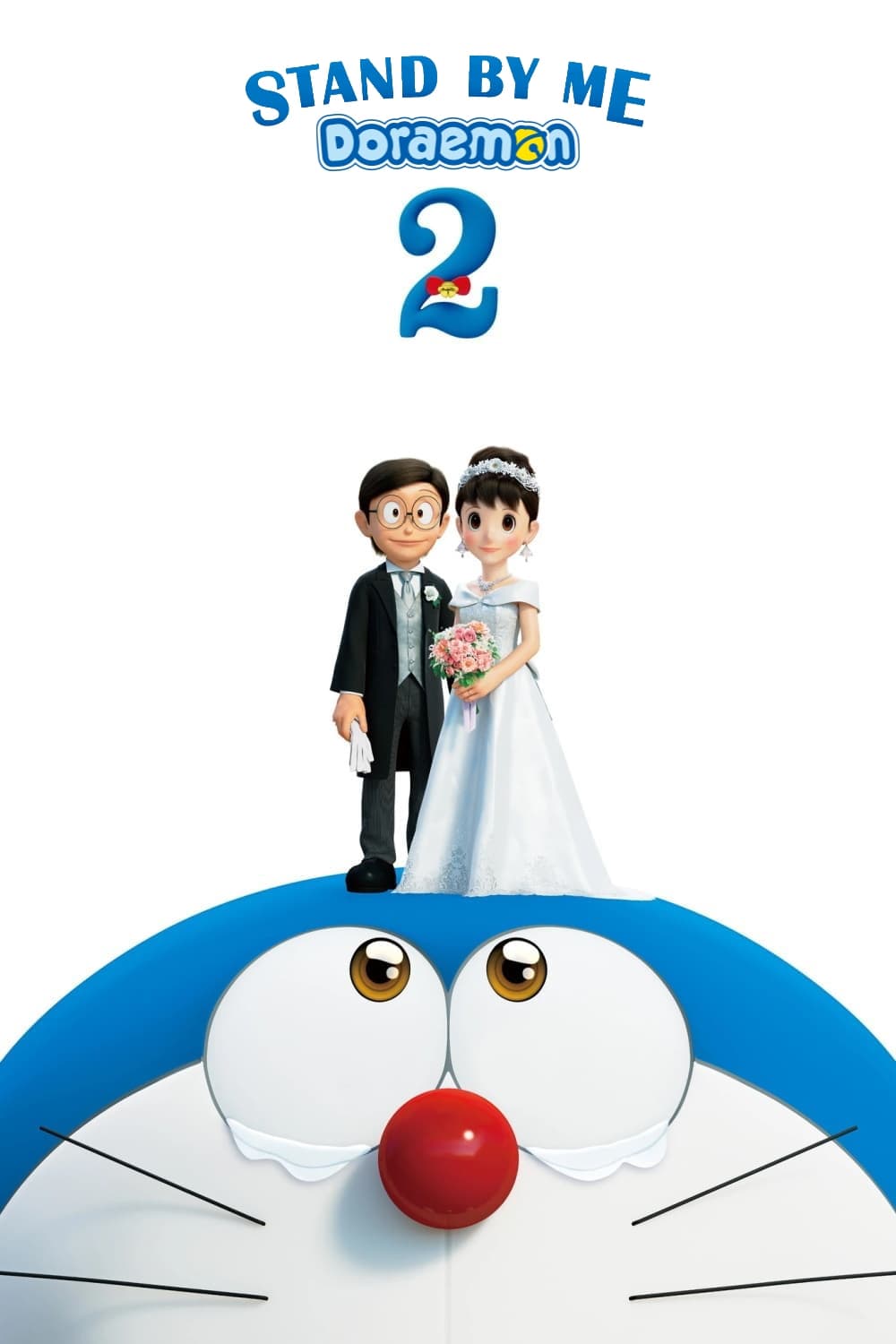
The film is a sequel to the 2014 film 'Stand by Me Doraemon' and was released in Japan on November 20, 2020, celebrating the 80th anniversary of the Doraemon franchise.
AI-generated overview · Verify ratings on official sources