Insights
Plot Summary
Set during the French Wars of Religion in the 16th century, this opera chronicles the tumultuous love between the Catholic Marguerite de Valois and the Protestant Raoul de Nangis, against a backdrop of intense sectarian violence. Their forbidden romance becomes entangled with political intrigue and the escalating conflict between Catholics and Huguenots, culminating in the St. Bartholomew's Day massacre.
Critical Reception
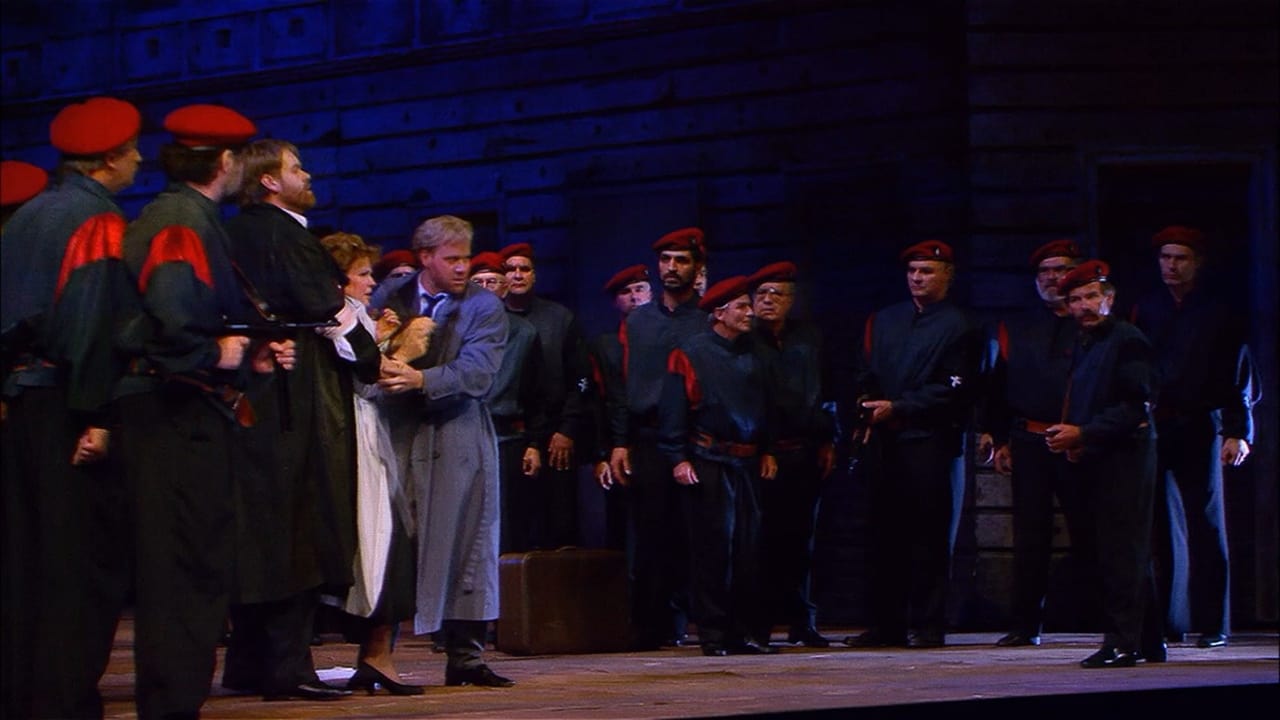
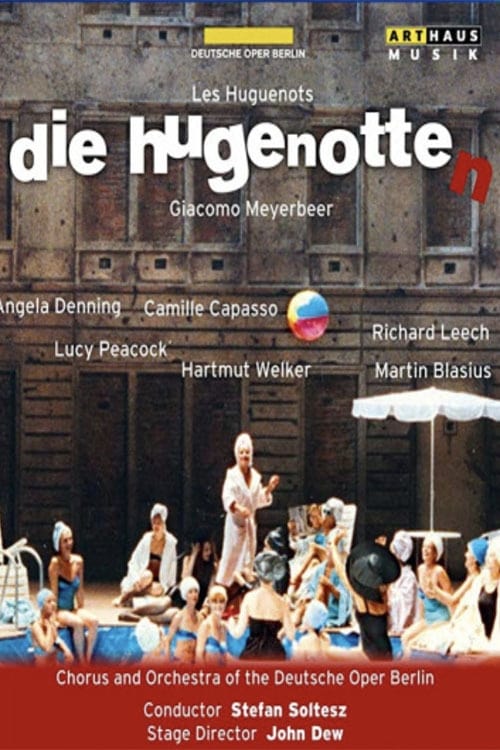
The 2013 production of Meyerbeer's monumental opera 'Les Huguenots' at the Deutsche Oper Berlin, directed by Andrei Serban, was generally met with critical acclaim for its ambitious staging and the vocal prowess of its cast, particularly its soprano lead. While some critics found the sheer scale of the work challenging, the overall production was lauded as a significant operatic event, showcasing the grandeur and complexity of grand opera.
What Reviewers Say
Praised for its impressive vocal performances, especially the demanding soprano roles.
Noted for its ambitious and visually striking stage production.
Acknowledged as a monumental and challenging work within the grand opera tradition.
Google audience: Audience reception for this specific production is not widely documented through Google reviews. However, Meyerbeer's 'Les Huguenots' is generally appreciated by opera aficionados for its dramatic scope and complex musicality, often celebrated for its challenging vocal requirements.
Fun Fact
Giacomo Meyerbeer's 'Les Huguenots' was notoriously difficult to stage and cast, with its five principal roles requiring singers of exceptional vocal range and stamina, making it one of the most demanding operas in the repertoire.
AI-generated overview · Verify ratings on official sources