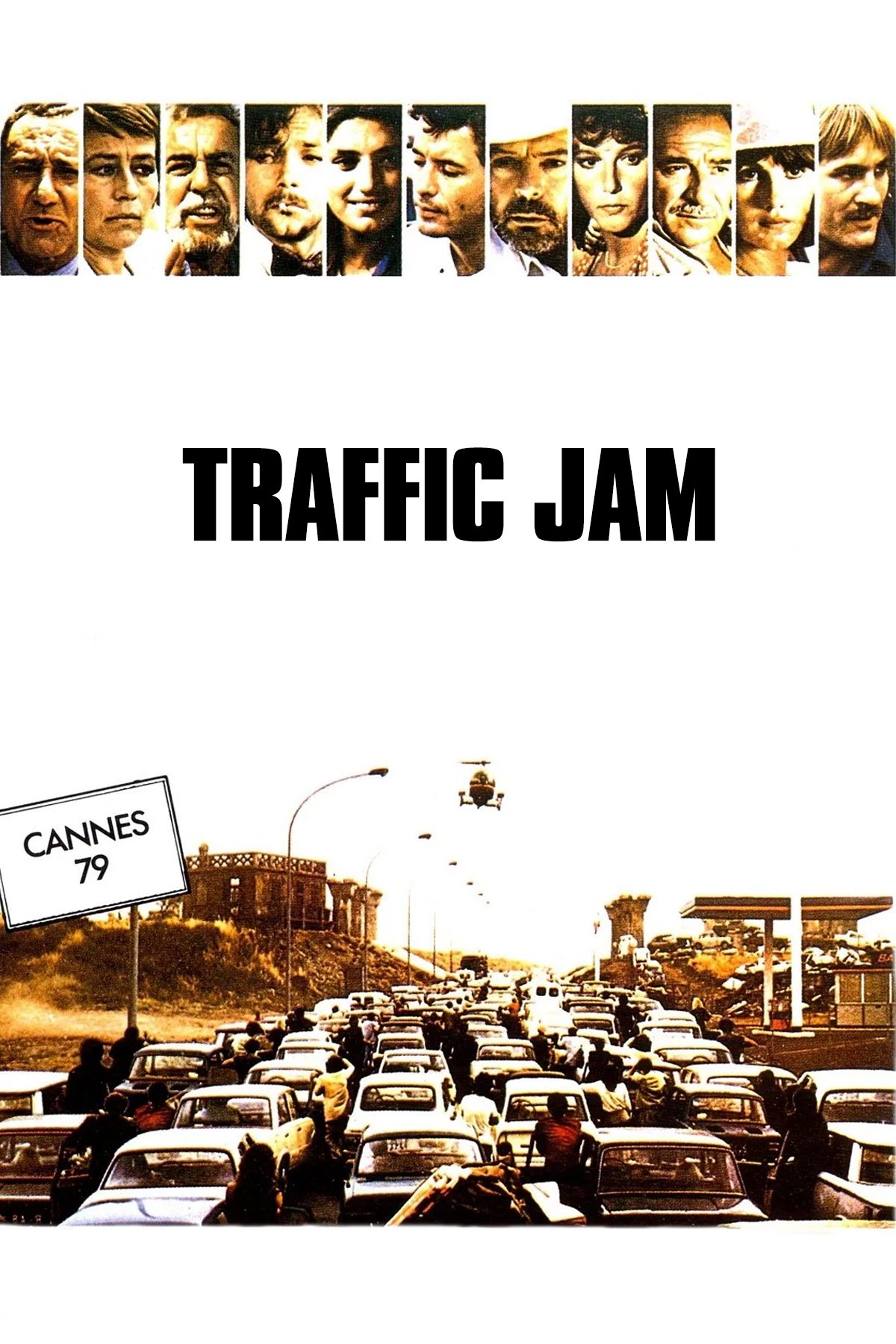
Traffic Jam
Traffic Jam

Traffic Jam

1979Movie121 minItalian

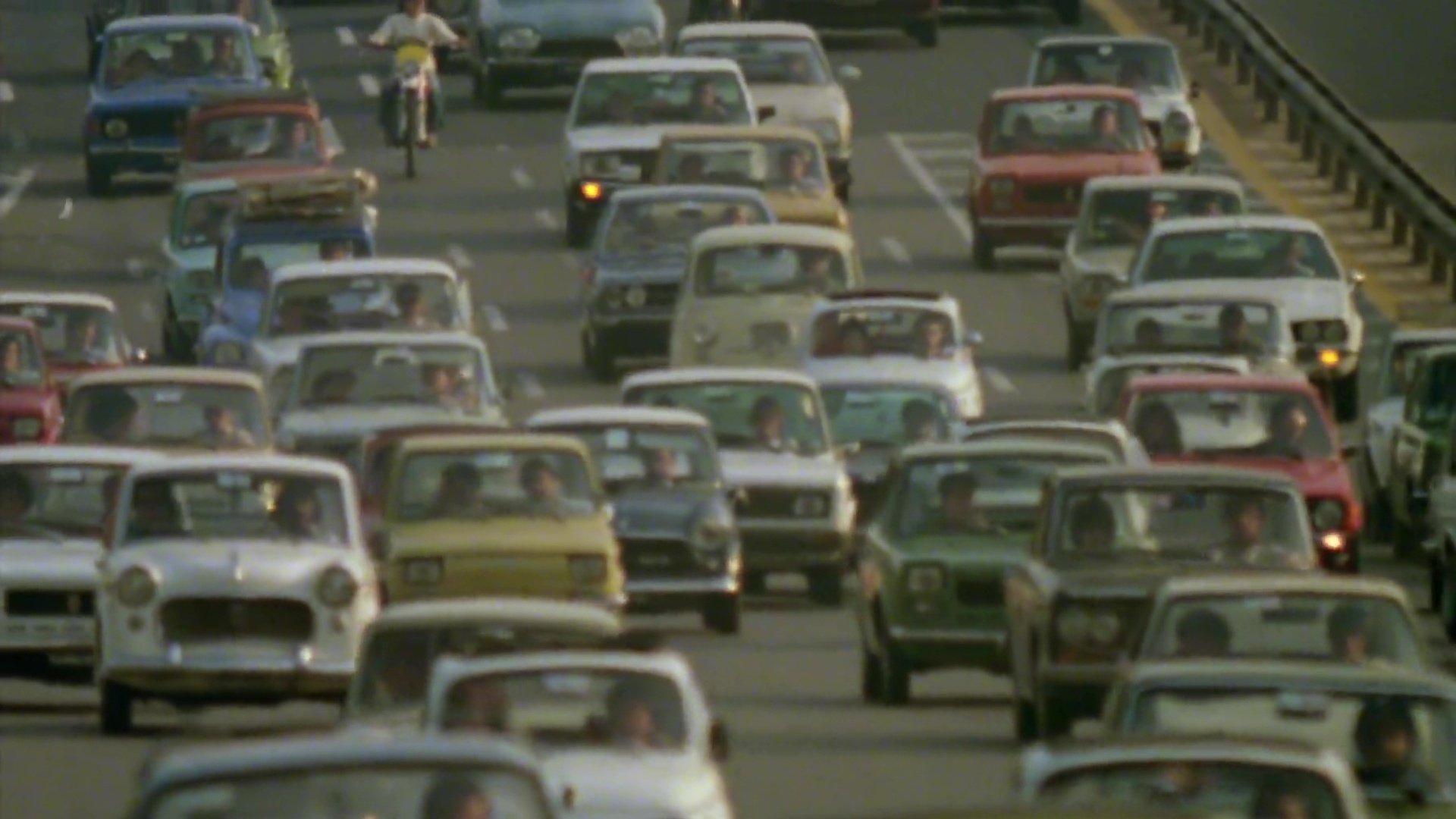
A tremendous congestion hits the Rome highway ring. The biggest traffic jam ever seen lasts more than 36 hours. At the beginning the people blocked in their cars react normally. But as more time passes, the more we witness personal dramas, hysteric reactions and other grotesque situations. All the episodes are linked as if in a single plot. Cars and their hosts are a microcosm of stories part of a larger universe: the congestion.

Read Reviews

Insights

IMDb6.4/10
Director: Elio PetriGenres: Comedy, Horror, Thriller

Plot Summary

A seemingly normal day turns into a nightmarish, Kafkaesque ordeal for a group of Milanese businessmen trapped in a massive traffic jam. As hours stretch into days, the situation escalates from a mere inconvenience to a desperate struggle for survival against dwindling resources and escalating social breakdown. The film explores themes of societal absurdity, consumerism, and the fragility of civilization when faced with extreme circumstances.

Critical Reception

Elio Petri's final film, 'Traffic Jam' is a darkly satirical and allegorical thriller that received mixed reviews upon its release. While some critics praised its ambitious themes and unsettling atmosphere, others found its pacing uneven and its message heavy-handed. The film is often seen as a bleak commentary on modern society and the dehumanizing effects of urban life.

What Reviewers Say

  • A chillingly relevant allegory of modern societal collapse.
  • Petri's signature dark humor and critique of consumerism are on full display.
  • Despite its bleakness, the film offers a thought-provoking, albeit disturbing, viewing experience.

Google audience: Audience reception for 'Traffic Jam' is difficult to gauge due to limited public data. However, viewers who appreciate avant-garde cinema and allegorical storytelling often find its bizarre premise and satirical edge compelling, though its dark and uncomfortable themes may not appeal to everyone.

Fun Fact

The film was Elio Petri's last directorial work before his death in 1985, and it is often interpreted as a culmination of his critical observations on Italian society and Western consumer culture.

AI-generated overview · Verify ratings on official sources

My Review