
Movie spotlight
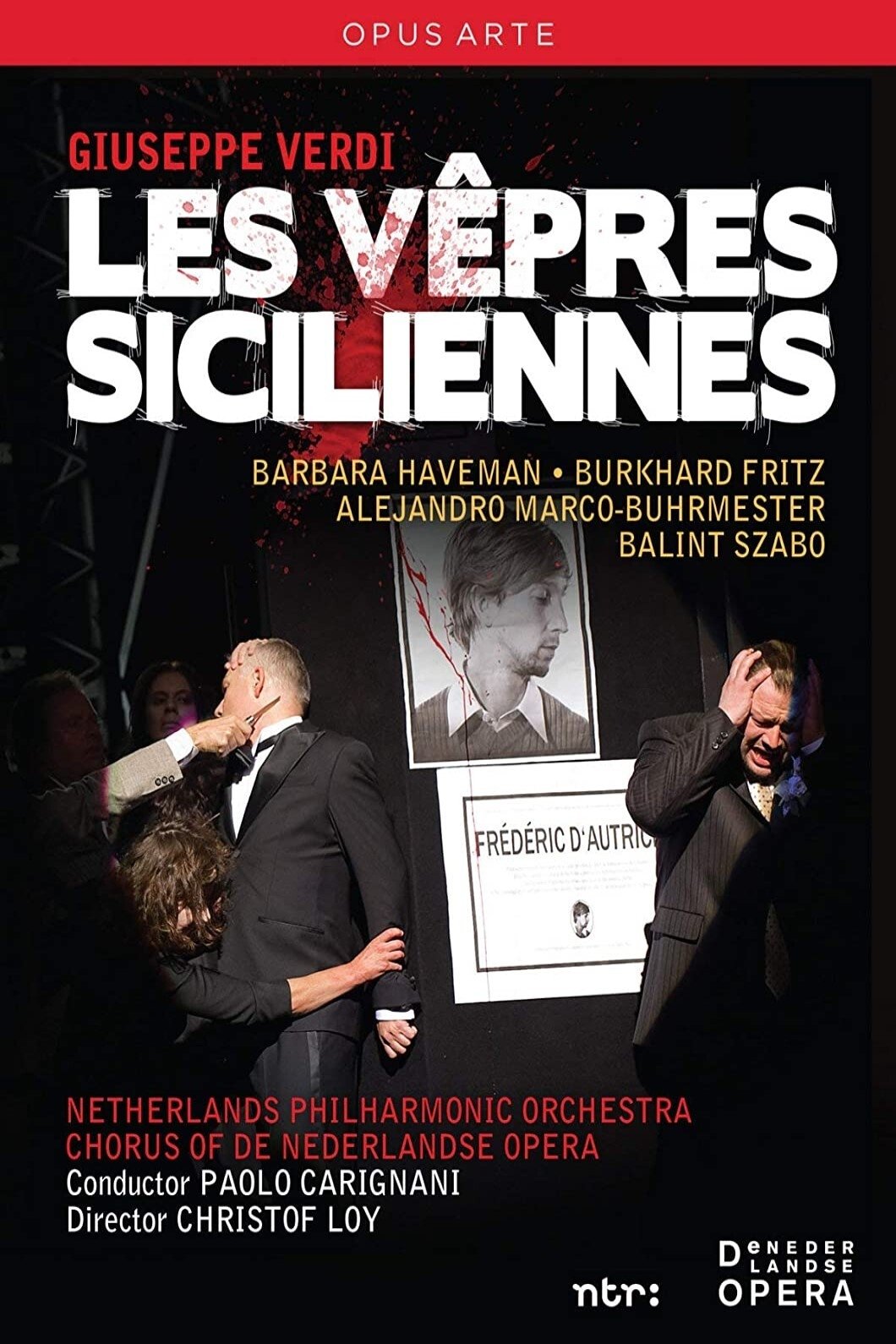
Giuseppe Verdi: Les vêpres siciliennes
Les vêpres siciliennes, like the similarly epic Don Carlos, was conceived as a grand opéra for Paris and is driven by the tensions between private passions and public politics. Originally set during Sicily's 13th-century uprising against French rule, in Christof Loy's staging for the Netherlands Opera the action is transposed to a 1940s world of sudden violence and shadowy double-dealing. Imaginatively cast and idiomatically conducted, the performance presents this magnificent score in its entirety, including the allegorical ballet The Four Seasons.
Insights
Plot Summary
Set in 13th-century Sicily, this opera follows the story of Elena and Arrigo as they become embroiled in the Sicilian Vespers rebellion against French rule. Love, duty, and patriotism clash amidst political intrigue and war. The narrative explores the tragic consequences of conflict on personal lives and the fight for freedom.
Critical Reception
This production of Verdi's 'Les vêpres siciliennes' has been praised for its grand staging and the powerful vocal performances of its leads. Critics noted the opera's dramatic intensity and the compelling portrayal of historical events. While some found the opera itself to be less frequently performed than Verdi's other works, this production was generally well-received for its faithfulness to the score and its visual splendor.
What Reviewers Say
Praised for its lavish sets and costumes that enhance the historical drama.
Noted for strong vocal performances, particularly from the lead soprano and tenor.
Appreciated as a visually striking and dramatically engaging rendition of a Verdi masterpiece.
Google audience: Audience reviews are not widely available for this specific production, but general appreciation for operatic performances often highlights the emotional impact of the music and the grandeur of the staging.
Fun Fact
Verdi's 'Les vêpres siciliennes' is one of his grand operas, known for its French libretto and complex historical subject matter, which was a departure from some of his earlier Italian-centric works.
AI-generated overview · Verify ratings on official sources