Movie spotlight
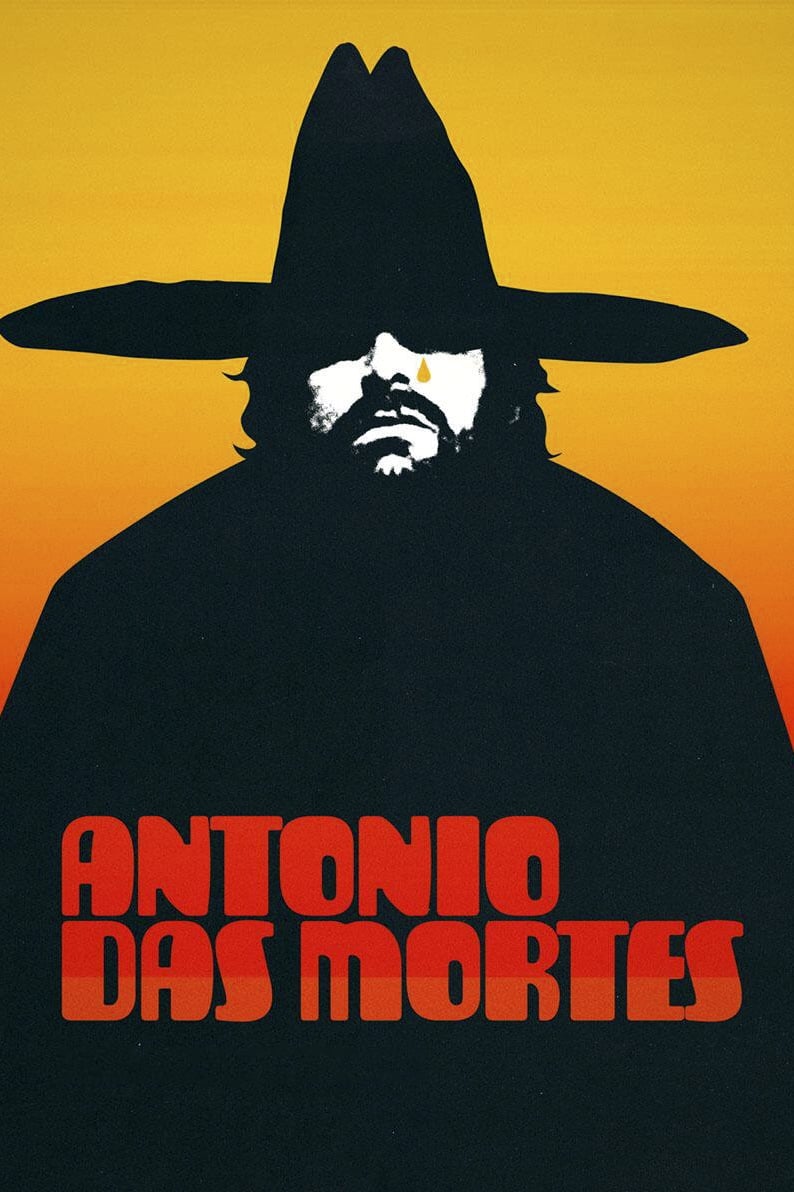
Antonio das Mortes
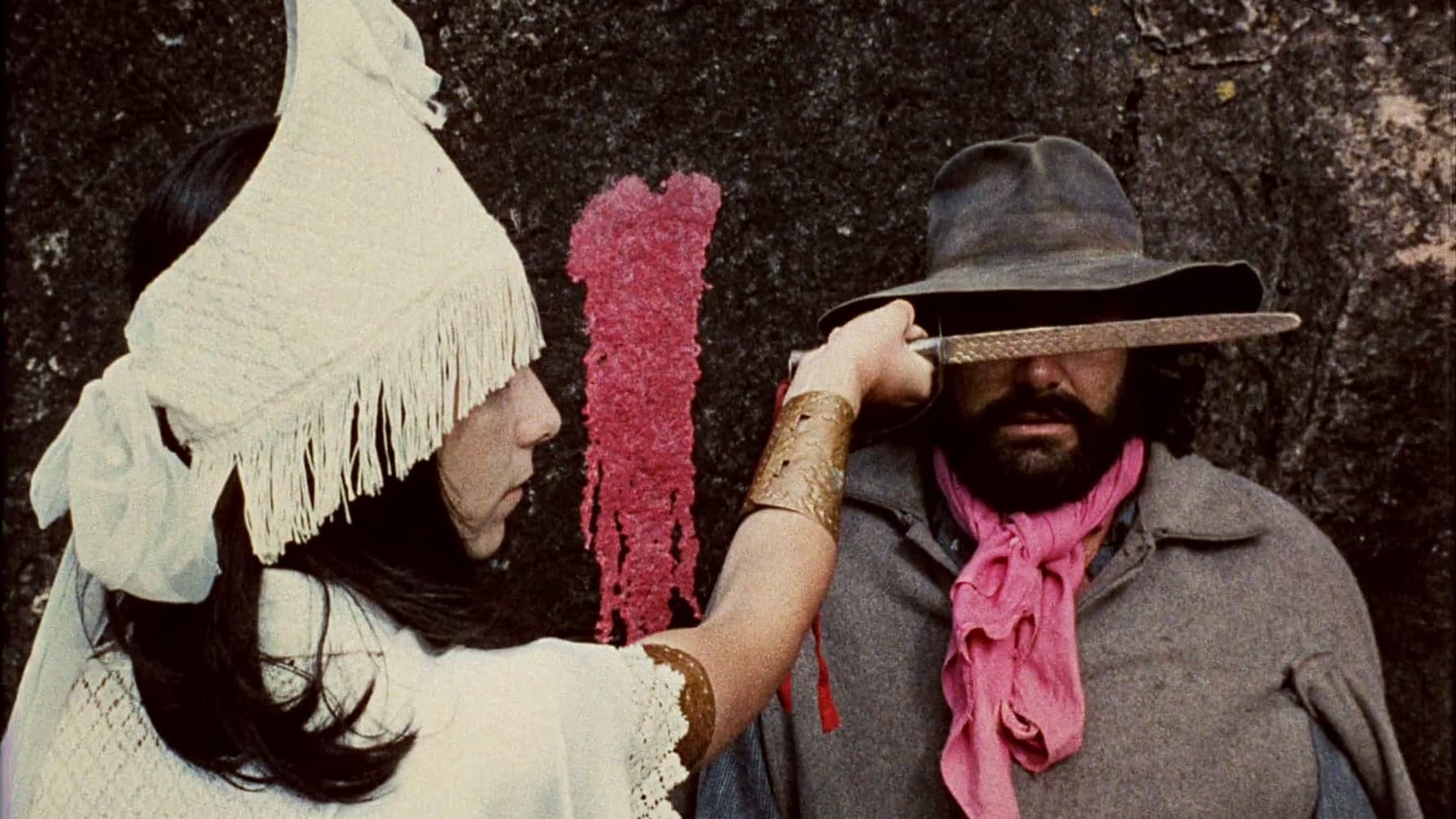
A new incarnation of Cangaceiro bandits, led by Coirana, has risen in the badlands. A blind landowner hires Antônio to wipe out his old nemesis. Yet after besting Coirana and accompanying the dying man to his mountain hideout, Antônio is moved by the plight of the Cangaceiro’s followers. The troubled hitman turns revolutionary, his gun and machete aimed towards his former masters.
Insights
Plot Summary
In the politically turbulent Sertão of Brazil, the legendary *cangaceiro* Antonio das Mortes is hired by the corrupt Governor to hunt down and kill the outlaw Lampião. However, Antonio finds himself increasingly conflicted as he witnesses the suffering of the common people and begins to question the oppressive regime he serves. His path becomes intertwined with Laura, a schoolteacher who represents a revolutionary ideal, forcing Antonio to confront his own past and the morality of his actions.
Critical Reception
Antonio das Mortes received critical acclaim for its powerful political commentary, striking cinematography, and Glauber Rocha's distinctive directorial style. It was recognized for its contribution to the Cinema Novo movement, though some found its allegorical nature and dense symbolism challenging. The film is celebrated for its visceral portrayal of Brazilian history and social unrest.
What Reviewers Say
Praised for its bold, uncompromising political allegory and visual style.
Commended as a significant work of Brazilian Cinema Novo.
Noted for its complex themes of revolution, betrayal, and social injustice.
Google audience: Information on Google user reviews is not readily available for this film.
Awards & Accolades
Won the Best Director award at the 1969 Cannes Film Festival.
Fun Fact
The film's antagonist, Antonio das Mortes, is loosely based on the historical figure of a real *cangaceiro* (bandit) who operated in northeastern Brazil during the early 20th century.
AI-generated overview · Verify ratings on official sources