Movie spotlight
The Girl Raised as a Future Daughter-in-law
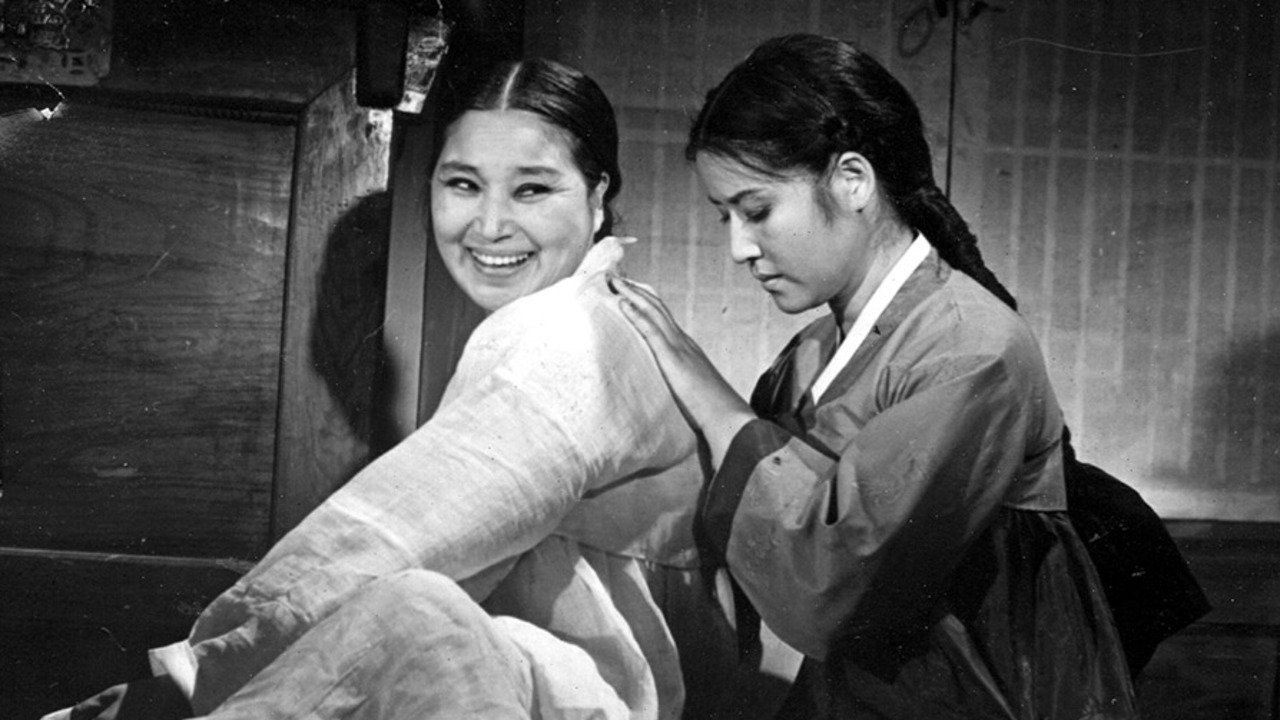
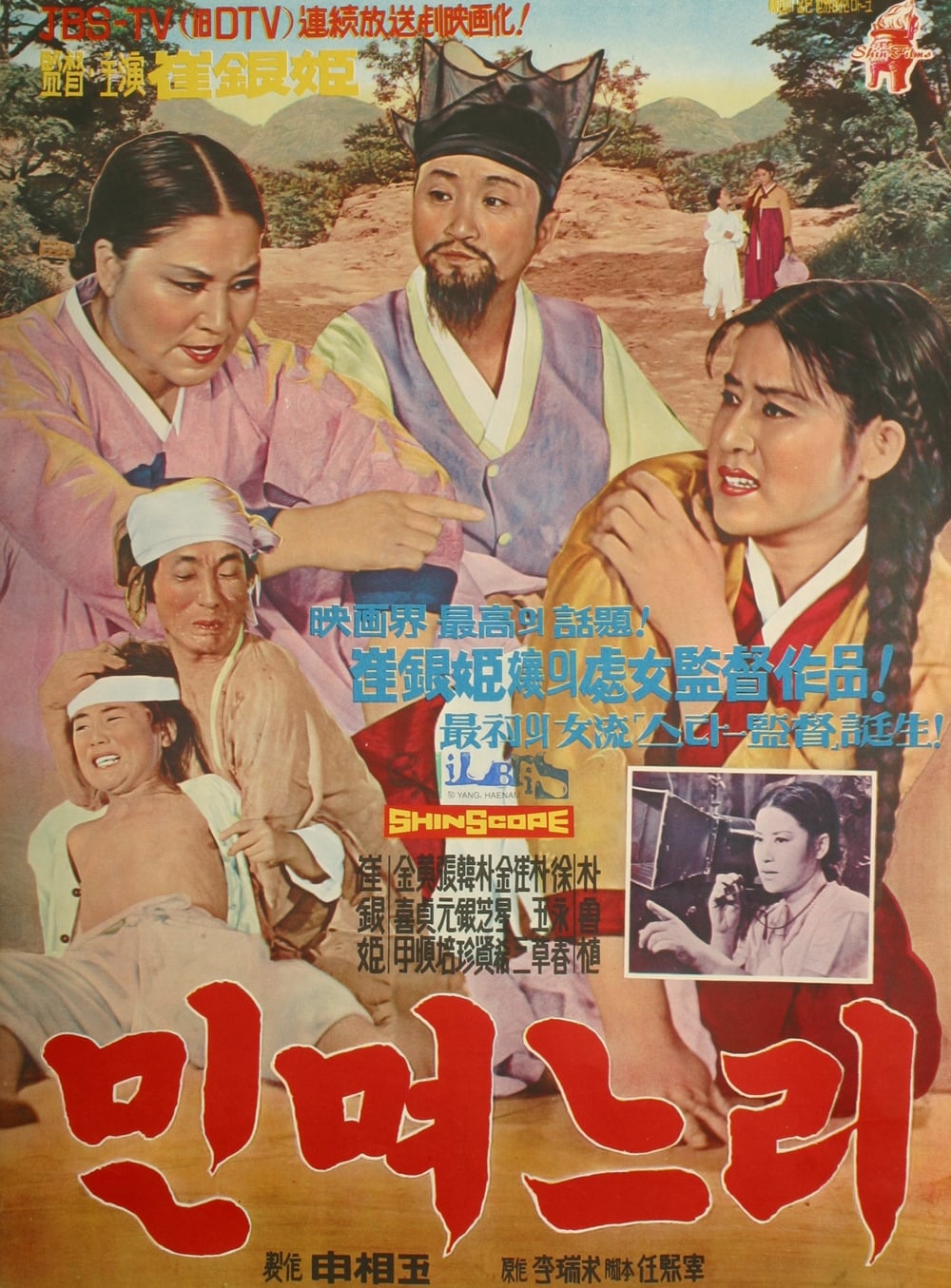
Choi Eun-hee’s directorial debut The Girl Raised as a Future Daughter-In-Law is the story of ups and downs of a future daughter-in-law who, due to poverty, married an infant rich groom. A ruined widow’s daughter Jum-soon has no time to rest, as her mother-in-law treats her like a maid, leaving her with all the kitchen chores, house cleaning, grinding grain, and sewing, while the mother-in-law smokes a pipe and nitpicks on her. What allows Jum-soon to endure is her ‘duty as a woman’ taught to her since young and her child husband’s lovable yammering.
Insights
Plot Summary
The film centers on the unspoken desires and societal expectations surrounding marriage in post-war Japan. Akiko, a young woman, is expected to marry the son of her father's business associate, a man she has never met. As the wedding approaches, Akiko grapples with her own feelings and the complex familial and societal pressures that dictate her future.
Critical Reception
Yasujirō Ozu's final film was met with critical acclaim, lauded for its subtle exploration of family dynamics and the quiet resignation of its characters. It is considered a poignant and moving conclusion to Ozu's directorial career, reflecting his consistent themes of family, tradition, and the passage of time.
What Reviewers Say
Praised for its signature Ozu directorial style and contemplative pacing.
Appreciated for its sensitive portrayal of societal pressures on young women.
Seen as a bittersweet and profound look at tradition and individual desire.
Google audience: Audience reviews highlight the film's emotional depth and masterful storytelling, often noting its impact as Ozu's last work.
Fun Fact
This film was Yasujirō Ozu's final directorial effort, completed shortly before his death in 1963, though it was released posthumously in Japan in 1965.
AI-generated overview · Verify ratings on official sources