
Movie spotlight
Ida
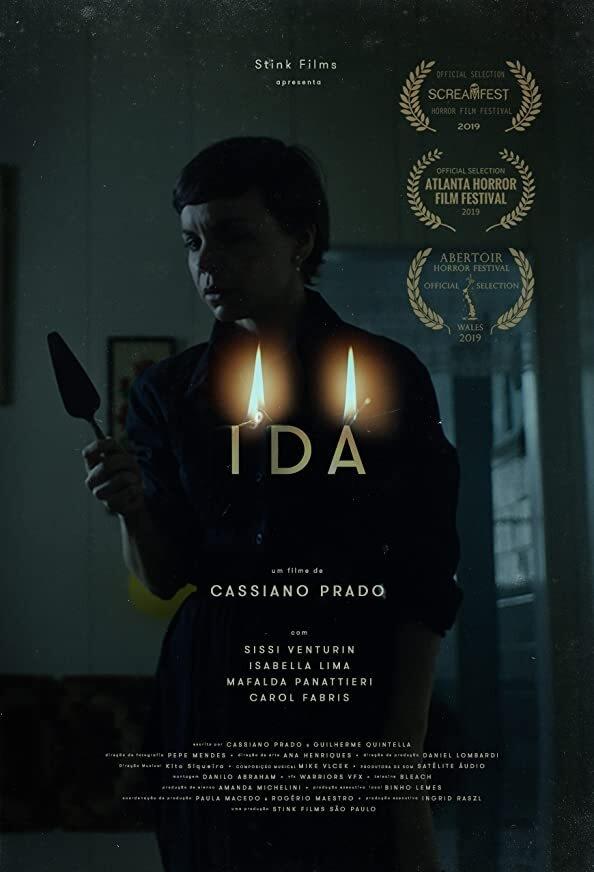
Rosa is a skeptical mother who denies there is more to her daughter's rejection than pure tantrum.
Insights
Plot Summary
In 1960s Poland, Anna, a young novitiate nun on the verge of taking her vows, discovers she is Jewish. Her pragmatic aunt, Wanda, a disillusioned former Communist Party official, reveals Anna's true identity and the tragic fate of her parents during the Nazi occupation. Together, the two women embark on a journey to uncover their family's past, confronting the scars of war, faith, and identity.
Critical Reception
Ida received widespread critical acclaim for its stunning black-and-white cinematography, poignant storytelling, and powerful performances. Critics lauded its minimalist approach and profound exploration of faith, guilt, and historical trauma in post-war Poland. The film was celebrated for its emotional depth and artistic merit, making it a standout in contemporary cinema.
What Reviewers Say
Visually stunning black-and-white cinematography.
Profound exploration of faith, identity, and historical trauma.
Compelling performances, particularly from the lead actresses.
Google audience: Google users praise Ida for its beautiful cinematography and emotional depth. Many appreciate its subtle yet powerful storytelling and the compelling performances of its cast, finding it a thought-provoking and moving film.
Awards & Accolades
Academy Award for Best Foreign Language Film (2015), BAFTA Award for Best Film Not in the English Language, European Film Award for Best Film, Best Director, Best Actress, and Best Screenwriter.
Fun Fact
The lead actress, Agata Trzebuchowska, was a philosophy student with no prior acting experience and was discovered by director Paweł Pawlikowski while studying at the University of Warsaw.
AI-generated overview · Verify ratings on official sources