
Movie spotlight
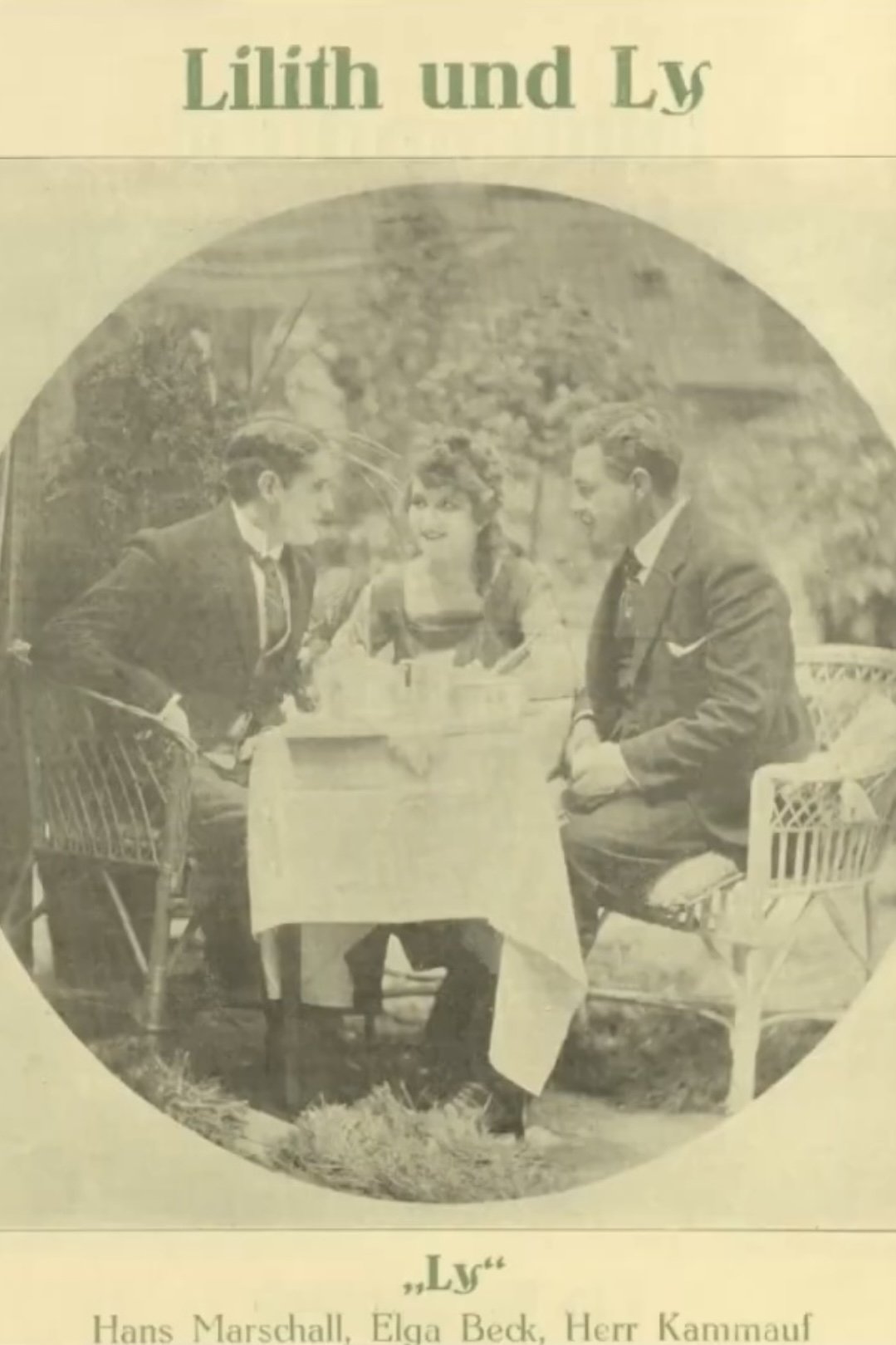
Lilith and Ly
In this apparently lost film an inventor uses a strange jewel to bring to life a statue of Lilith, and falls in love with her. Soon, however, she begins to appear on a screen, also developed by the inventor, which reveals her to be a vampire who is slowly sucking his life essence from him, causing him to gradually fade away. He realizes the situation has become even more drastic when he notices his new love, Ly, is being possessed by Lilith and has also begun fading away.
Insights
Plot Summary
Details of the plot are scarce, but it is understood to be a fantasy drama likely exploring themes of duality and the supernatural. The film is believed to center around the titular characters, Lilith and Ly, suggesting a narrative with symbolic or allegorical elements. Specific plot points and character arcs remain largely undocumented in available historical records.
Critical Reception
As a lost film from 1919, there is no direct critical reception available from the time of its release or retrospectively. Its existence is primarily known through filmographies and historical archives, with very little scholarly or popular analysis due to its unavailability.
What Reviewers Say
As a lost film, 'Lilith and Ly' has no readily available consensus from critics or audiences.
Its historical significance lies more in its association with F.W. Murnau and its early silent film status than in any documented critical or audience reception.
Information regarding its thematic content or artistic merit is largely speculative due to its inaccessibility.
Google audience: Due to the film's lost status, there are no Google user reviews or summaries available for 'Lilith and Ly'.
Awards & Accolades
None notable, as it is a lost film with no known awards or nominations.
Fun Fact
F.W. Murnau, the director of 'Lilith and Ly', would go on to direct iconic silent films such as 'Nosferatu' (1922) and 'Sunrise: A Song of Two Humans' (1927), making the loss of this earlier work particularly poignant for film historians.
AI-generated overview · Verify ratings on official sources