
Movie spotlight
Other People's Letters
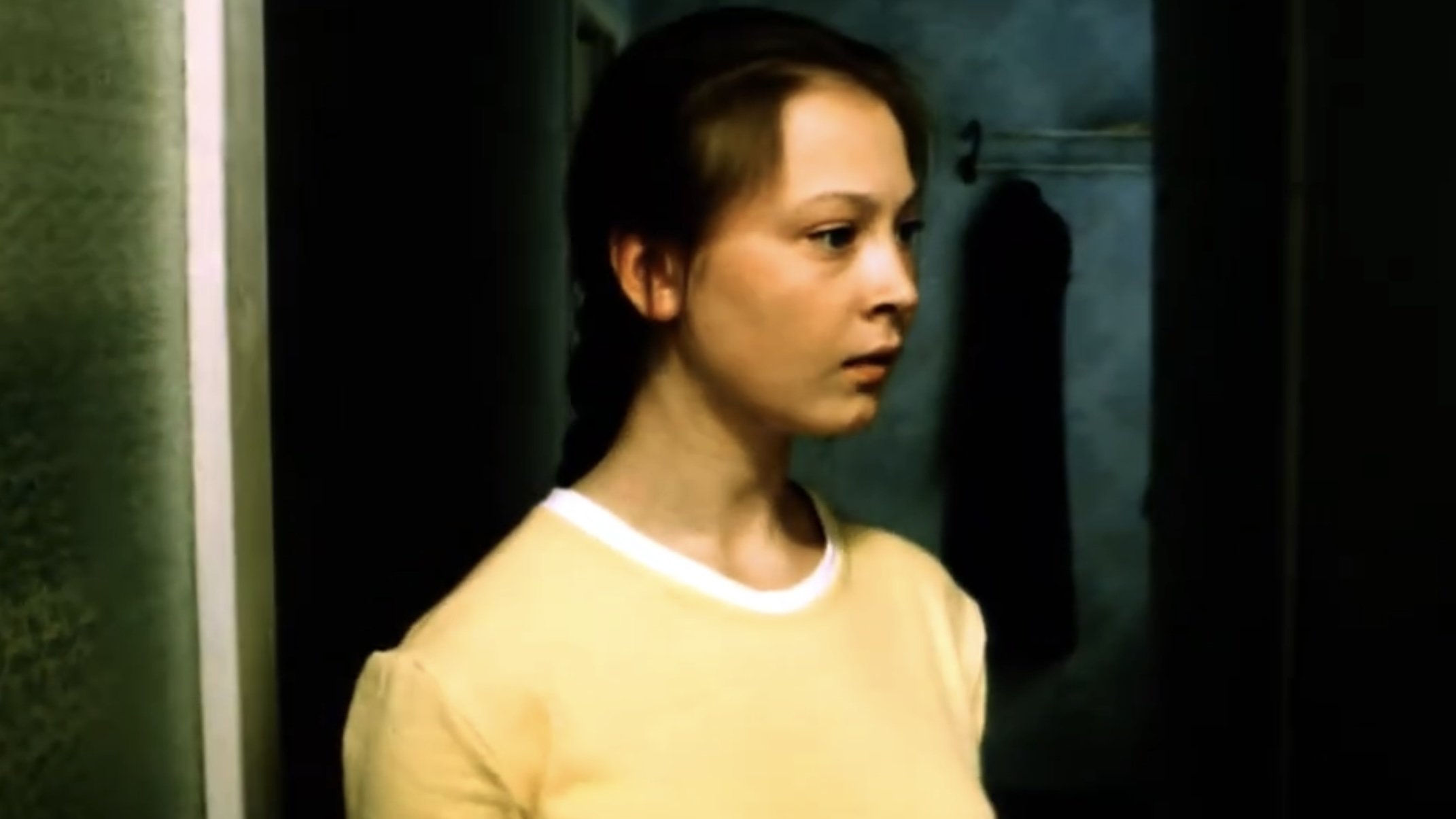
Zina is sixteen. She is a manipulative schoolgirl living in a small Russian town among sincere and simple people. Zina is nice on the surface, but so unable to enjoy normal life, that she is desperately trying to hurt someone. She tries to seduce and compromise a handsome young man, but he is smart enough to see through her and escapes from her trap. Zina manipulates her classmates so she looks like a victim. Now Zina's teacher, Vera, a sweet and loving lady, takes care of her trying to save the troubled girl, but in return, Zina becomes extremely crafty to hurt the teacher.
Insights
Plot Summary
The film follows Anna Antonovna, a diligent and principled school teacher who begins to read the private correspondence of her students and their parents. Initially driven by a sense of duty and concern, her actions gradually lead to a complex web of personal entanglements and moral dilemmas. As she becomes increasingly involved in the lives revealed through these letters, Anna finds her own sense of self and her understanding of human relationships profoundly challenged.
Critical Reception
"Other People's Letters" was a significant Soviet film that resonated with audiences for its exploration of moral complexities and personal relationships. While not widely known internationally, within its cultural context, it was appreciated for its thoughtful portrayal of human nature and the consequences of intrusion into private lives. It sparked discussions about ethics and the blurred lines between concern and meddling.
What Reviewers Say
Praised for its sensitive handling of complex moral themes.
Appreciated for strong performances, particularly by the lead actress.
Noted for its thought-provoking exploration of privacy and responsibility.
Google audience: Information on specific Google user reviews and sentiment for this Soviet-era film is not readily available in English-language sources.
Fun Fact
The film is based on the short story 'The Postmaster's Daughter' by Ivan Turgenev, though it significantly expands upon the original narrative to explore the moral implications of reading private letters in a school setting.
AI-generated overview · Verify ratings on official sources