Insights
Plot Summary
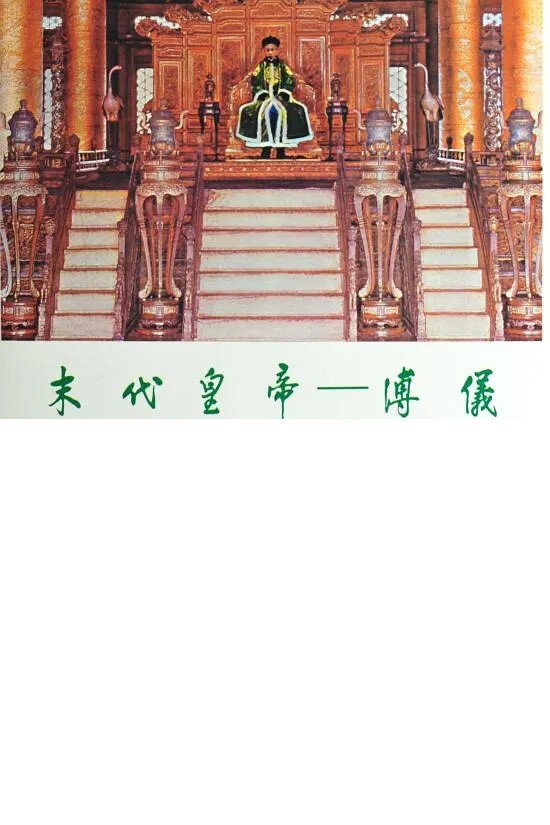
The film chronicles the life of Puyi, the last emperor of China, from his ascension to the throne as a child, through his turbulent reign, abdication, imprisonment, and eventual life as a common citizen. It provides a sweeping historical panorama of China's transition from imperial rule to communist revolution, seen through the eyes of its final monarch.
Critical Reception
The Last Emperor was met with widespread critical acclaim, lauded for its epic scope, stunning visuals, and compelling narrative. It was a commercial success and received numerous awards, cementing its place as a landmark historical drama.
What Reviewers Say
Praised for its magnificent cinematography and grand historical sweep.
Commended for its intimate portrayal of Puyi's personal tragedy amidst monumental political change.
Hailed as a visually stunning and emotionally resonant epic.
Google audience: Audiences widely appreciate the film's beautiful visuals, historical accuracy, and the poignant depiction of Puyi's life. Many found it to be an immersive and moving cinematic experience that provided deep insight into a pivotal period of Chinese history.
Awards & Accolades
Won 9 Academy Awards, including Best Picture, Best Director, and Best Adapted Screenplay. Also won 2 BAFTA Awards and 4 Golden Globe Awards.
Fun Fact
The film was the first Western production ever granted permission by the People's Republic of China to film in the Forbidden City, with the production team meticulously restoring many of the palace's interiors.
AI-generated overview · Verify ratings on official sources