
Movie spotlight
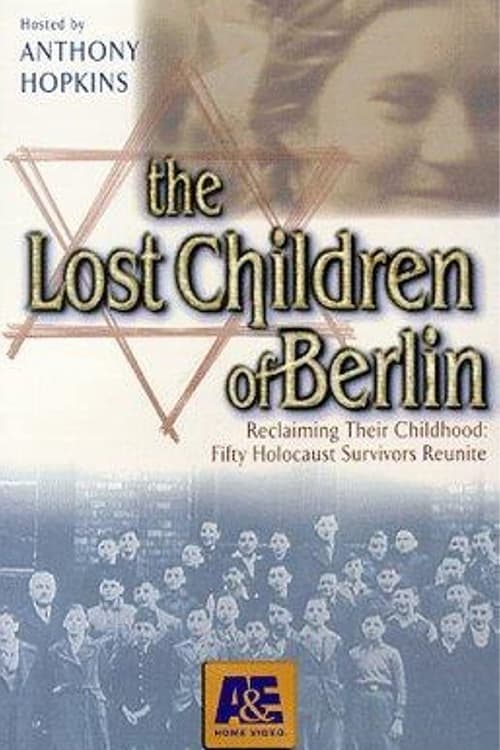
The Lost Children of Berlin
In the dark days of Nazi Germany, Jewish schools were shut down one by one as the students and their families were herded into ghettos or sent to concentration camps. But amid the countless stories of tragedy and death are the miraculous stories of those who survived. This documentary, produced by Steven Spielberg and the Shoah Foundation and narrated by Anthony Hopkins, tells one of these stories -- that of the last Jewish school in Berlin to be shut down in 1942 and the 50 students who survived the war to meet again at a 1996 reunion in the newly reopened Grosse Hamburgerstrasse School.
Insights
Plot Summary
This documentary explores the experiences of Jewish children who were hidden or escaped Nazi persecution during World War II. It delves into their individual stories of survival, resilience, and the profound impact of their experiences. The film uses archival footage, personal testimonies, and historical context to shed light on this often-overlooked aspect of the Holocaust.
Critical Reception
The film was noted for its sensitive portrayal of a difficult subject matter and its dedication to preserving the memories of child survivors. It was generally well-received for its historical importance and emotional impact, though it may not have received widespread mainstream critical reviews due to its niche audience.
What Reviewers Say
Offers a vital and moving account of childhood during the Holocaust.
Highlights the extraordinary resilience of young survivors.
Emphasizes the importance of remembering these hidden stories.
Google audience: As a documentary focusing on a specific historical event, specific Google user reviews are not widely aggregated. However, similar documentaries focusing on Holocaust survival are often praised for their educational value and powerful emotional resonance.
Fun Fact
The film was produced by the Goethe-Institut and later screened at various film festivals and educational institutions, contributing to its role as a historical record.
AI-generated overview · Verify ratings on official sources