Movie spotlight
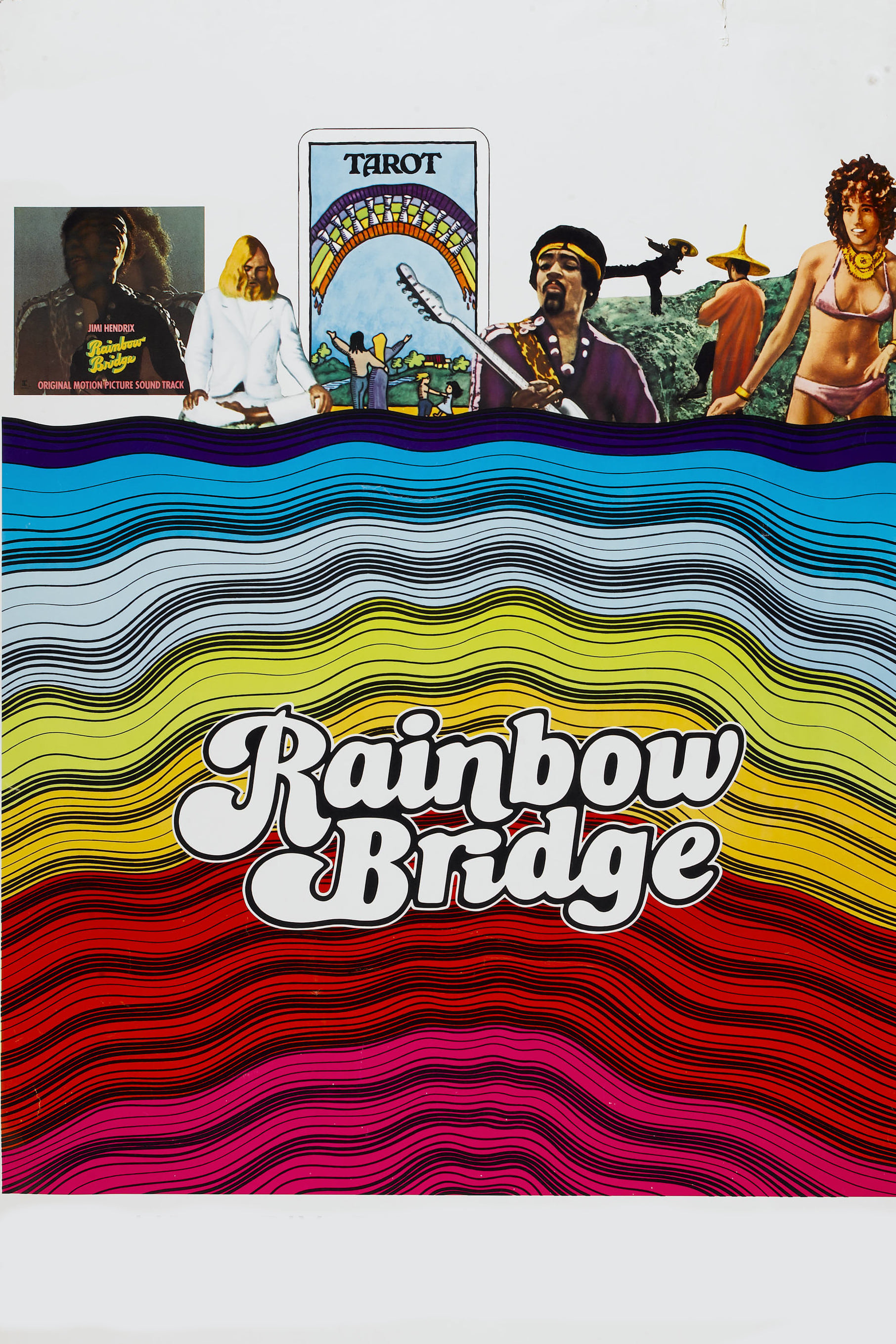
Rainbow Bridge
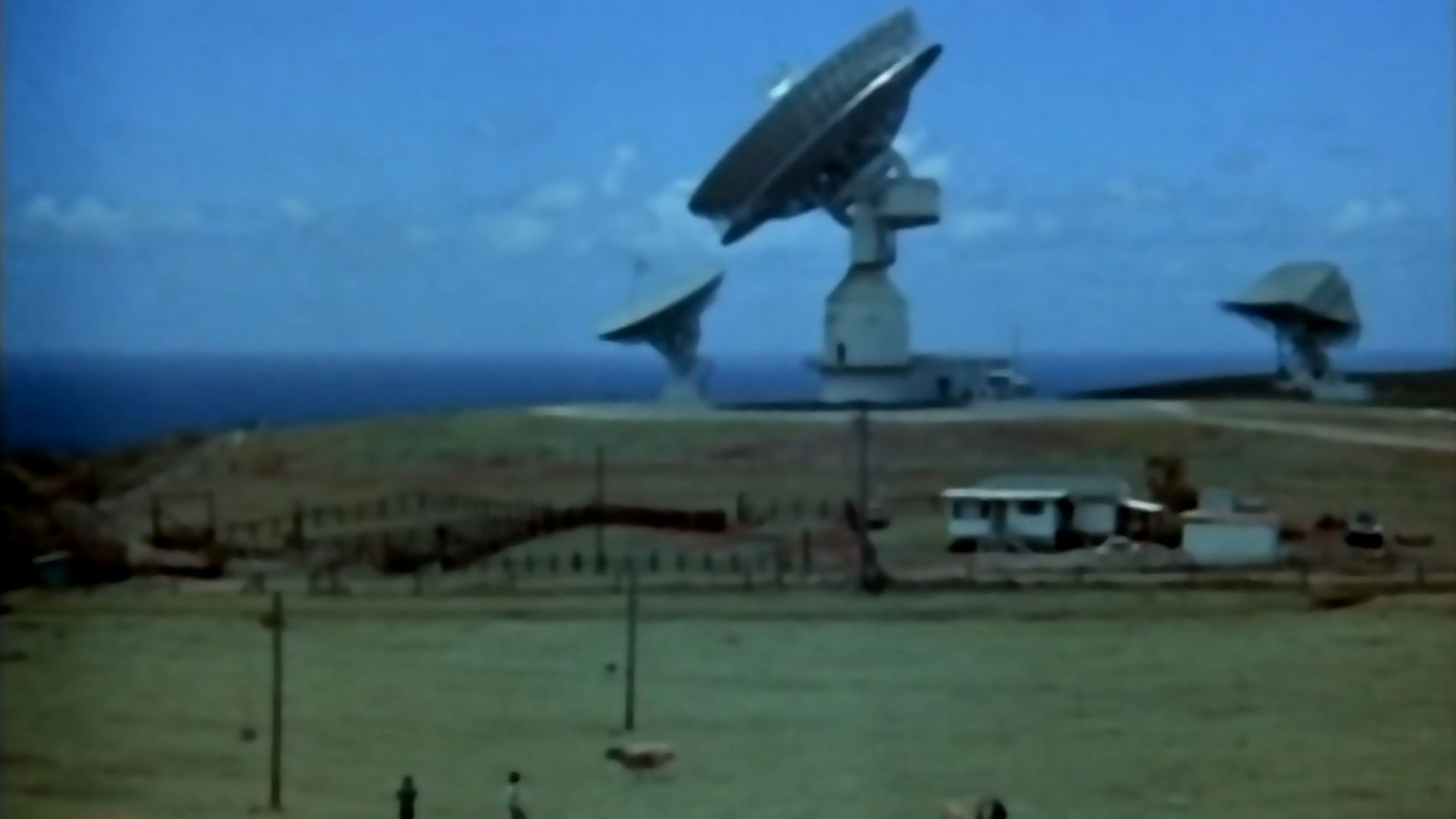
A documentary about various singers, musicians, artists, astrologers, etc., who attended a "New Age" gathering in Maui, Hawaii.
Insights
Plot Summary
This experimental documentary by photographer Robert Frank blends performance footage of Jimi Hendrix with surreal, impressionistic scenes. It captures the spirit of the late 1960s counterculture, exploring themes of peace, love, and the search for meaning. The film is less a traditional narrative and more a visual poem set to music, reflecting the era's artistic and social currents.
Critical Reception
Rainbow Bridge is a notoriously elusive and divisive film, often seen as more of an artistic statement than a conventional documentary. Its unconventional structure and abstract nature have led to a wide range of interpretations, with some praising its raw, authentic feel and others finding it incomprehensible or self-indulgent. It has gained a cult following over the years for its unique glimpse into the psychedelic era and Jimi Hendrix's final filmed performances.
What Reviewers Say
Praised for its unvarnished portrayal of the counterculture and Hendrix's free-spirited performances.
Criticized for its meandering, non-linear narrative and perceived lack of focus.
Considered a fascinating, albeit challenging, artifact of its time.
Google audience: Audience reception is scarce and varied, with many finding the film to be an abstract and sometimes confusing experience, though some appreciate its artistic ambition and historical significance as a snapshot of the era.
Fun Fact
The film was shot without a script and largely improvised, with Robert Frank attempting to capture a sense of reality and the spirit of the time rather than telling a conventional story.
AI-generated overview · Verify ratings on official sources