Movie spotlight
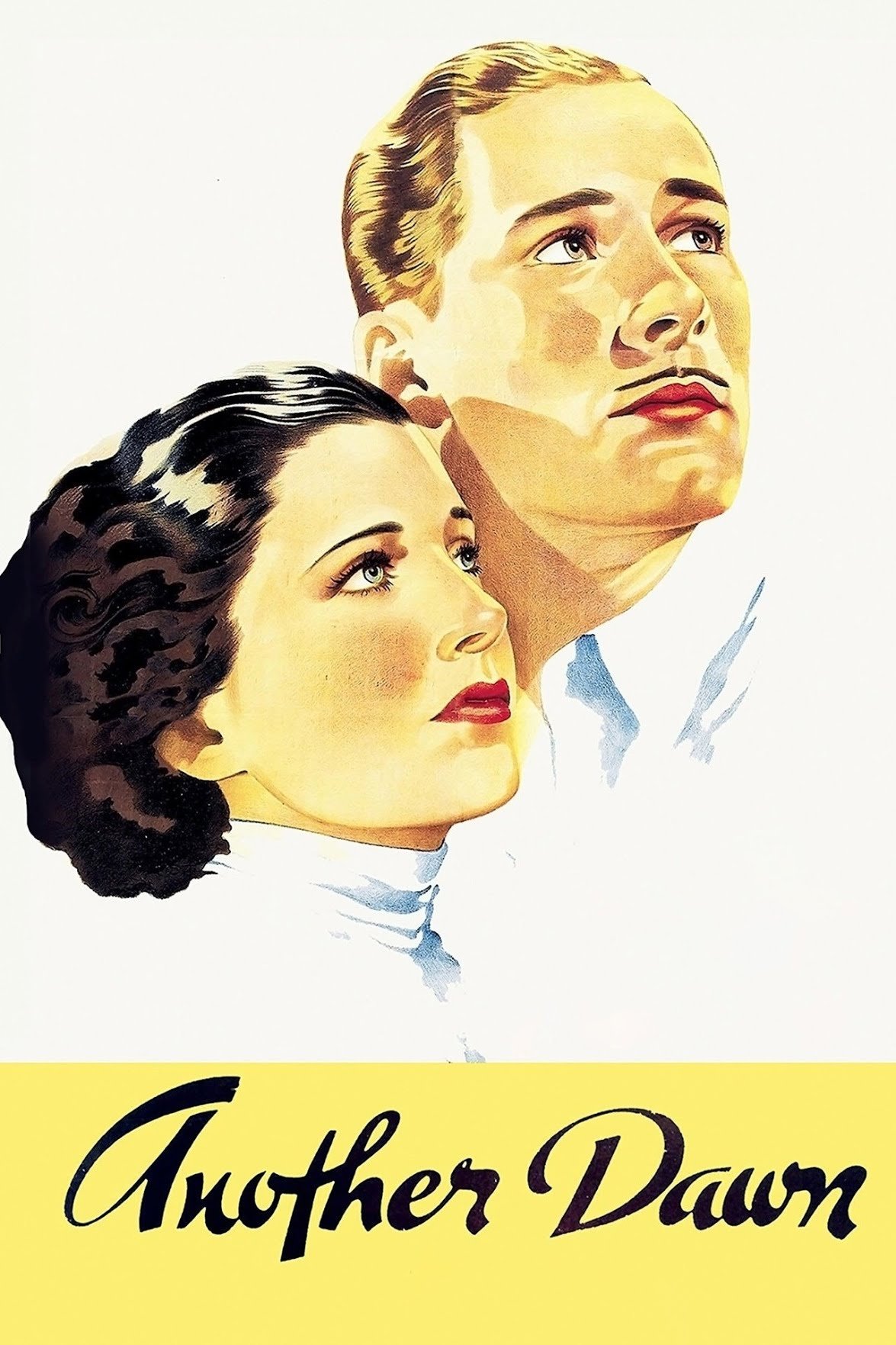
Another Dawn
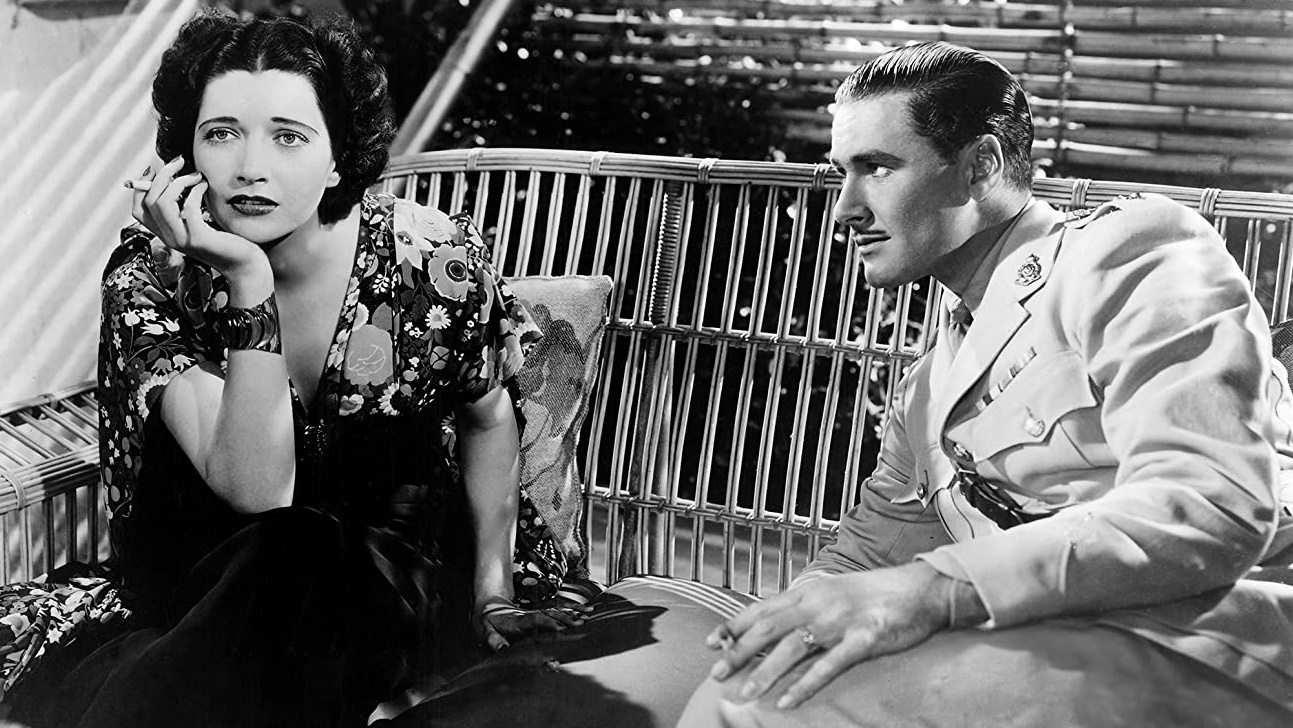
Colonel John Wister, on duty with the British army in the desert region of Dubik, returns to England on leave. There he falls in love with Julia Ashton, who cares deeply for him but believes herself incapable of love following the death of her fiancé; some time before. Wister convinces her that he loves her enough to live without her romantic love and that she should marry him. She does so and returns to Dubik with him. There she meets his adjutant, Captain Denny Roark. Roark is a dashing young man who reminds Julia thoroughly of her lost love. Soon she finds she is indeed capable of love, but it is Roark with whom she falls in love, not her husband. As warfare with the local tribes heats up and as Wister gains awareness of the unconsummated romance growing between his wife and best friend, tragedy lurks.
Insights
Plot Summary
During World War I, a British aristocrat falls in love with an officer, but their romance is complicated by his duties and her own secret. As the war rages on, she must confront her past and make a difficult choice between her heart and her obligations. The film explores themes of sacrifice, duty, and the enduring power of love amidst the turmoil of conflict.
Critical Reception
Another Dawn was met with mixed to positive reviews, with many critics praising the performances of its lead actors, particularly Kay Francis and Herbert Marshall. While some found the plot to be somewhat melodramatic, others appreciated its attempts to tackle mature themes within the context of a wartime romance. The film was considered a respectable entry in the romantic drama genre of the era.
What Reviewers Say
Kay Francis delivers a compelling performance as a woman torn between duty and desire.
The film offers a poignant look at romance amidst the backdrop of World War I.
Some viewers found the melodrama to be excessive, while others appreciated its emotional depth.
Google audience: Audience reception for 'Another Dawn' is not readily available through aggregated Google user reviews.
Fun Fact
The film was one of several attempts during the late 1930s to explore the ongoing impact of World War I and anxieties about future conflict through melodrama.
AI-generated overview · Verify ratings on official sources