
Movie spotlight
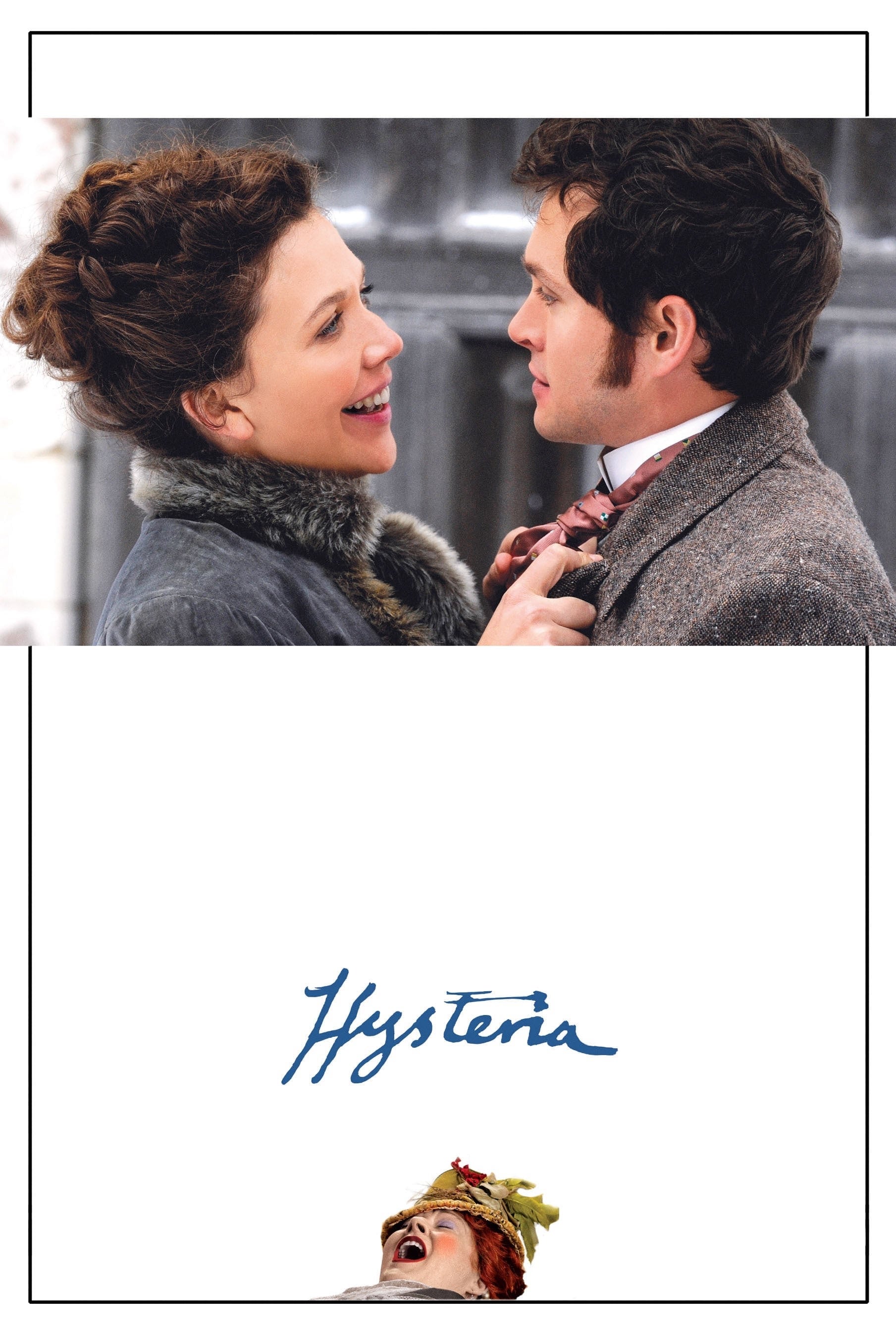
Hysteria
Two doctors in Victorian England use manual stimulation of female genitalia to cure their patients' ills, leading to the invention of the vibrator.
Insights
Plot Summary
In Victorian London, a young doctor invents the first successful vibrator to treat female "hysteria." As his invention gains popularity, he grapples with its ethical implications and his own burgeoning understanding of female sexuality. The film explores the societal constraints and medical misconceptions of the era through a comedic and romantic lens.
Critical Reception
Hysteria received generally positive reviews, with critics praising its witty script, charming performances, and unique premise. While some found the subject matter unusual, most appreciated its lighthearted and intelligent approach to a sensitive topic, highlighting its blend of historical commentary and romantic comedy.
What Reviewers Say
Praised for its witty and intelligent script that tackles a taboo subject with humor.
Appreciated for its charming performances, particularly Maggie Gyllenhaal.
Noted for its unique premise and engaging portrayal of Victorian society's views on female sexuality.
Google audience: Google users generally found Hysteria to be an entertaining and surprisingly insightful film. Many enjoyed the blend of historical context, humor, and romance, finding the premise both novel and amusing. Some viewers commented on the film's ability to spark conversation and its lighthearted treatment of a serious historical medical condition.
Fun Fact
The film is based on the actual historical invention of the first electro-mechanical vibrator, developed by Dr. Joseph Mortimer Granville in the late 19th century to treat what was then diagnosed as "hysteria" in women.
AI-generated overview · Verify ratings on official sources