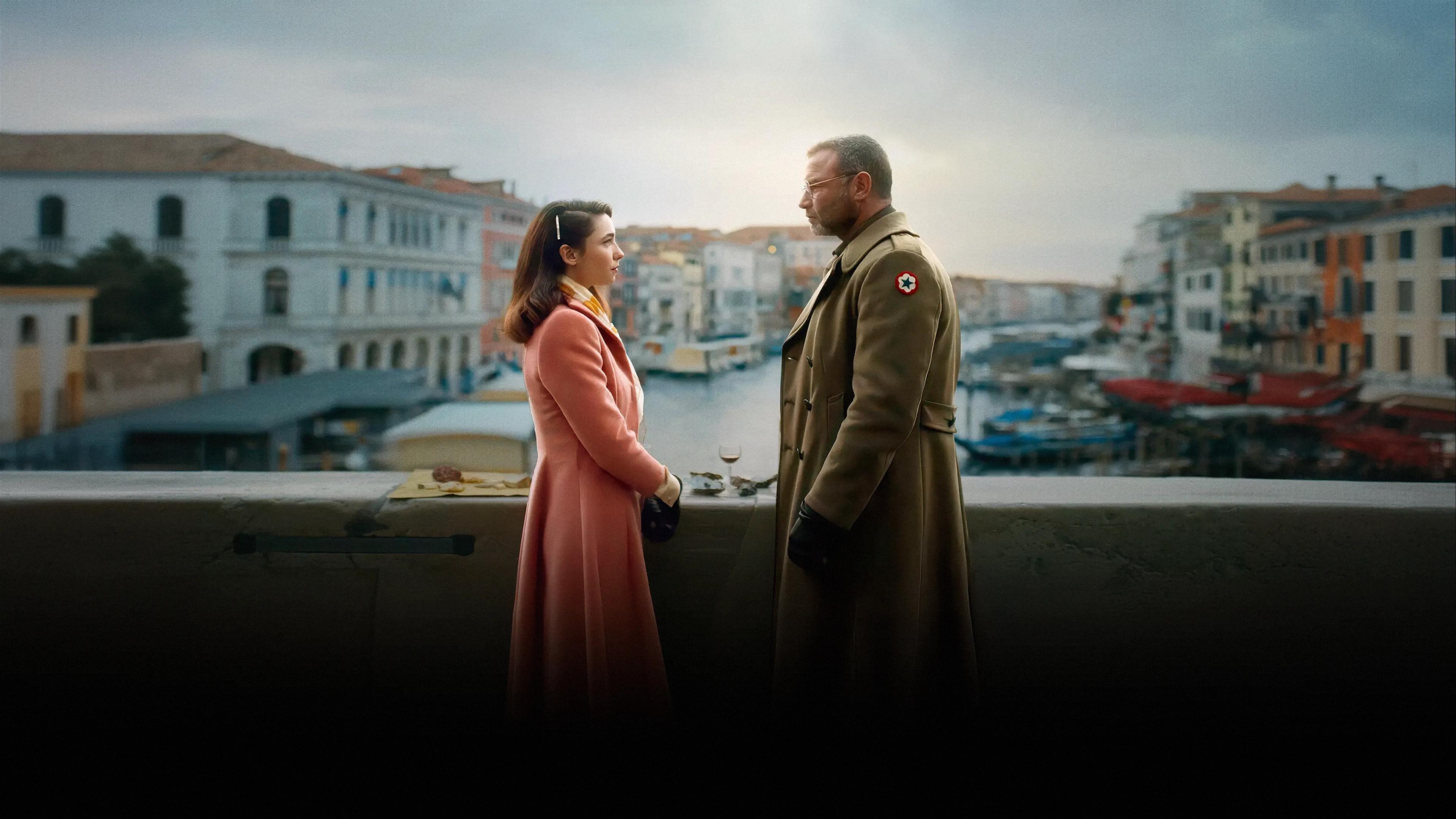

Across the River and into the Trees
In post WW2 Venice Italy, American Army Col. Richard Cantwell, haunted by the war, faces news of his illness with stoic disregard. Determined to spend a weekend in quiet solitude, he commandeers a military driver to visit his old haunts in Venice. As Cantwell's plans begin to unravel, a chance encounter with a remarkable young woman begins to rekindle hope. Based on the harrowing novel by Ernest Hemingway.
Insights
Plot Summary
In 1950s Venice, a decorated but disillusioned US Army Colonel, Richard Cantwell, grapples with mortality and his past during a final outing with his young Italian Countess Renata. As they journey by car to the Sistine Lagoon, Cantwell reflects on his wartime experiences and his complex relationship with Renata, finding solace and a semblance of peace in their shared moments.
Critical Reception
Across the River and into the Trees received a largely negative reception from critics, with many finding it to be a ponderous and unengaging adaptation of Ernest Hemingway's novel. The film was criticized for its pacing, underdeveloped characters, and a perceived lack of emotional depth. While Pierce Brosnan's performance received some acknowledgment, it was not enough to elevate the overall sentiment.
What Reviewers Say
- The film struggles to capture the spirit of Hemingway's novel, resulting in a slow and often tedious viewing experience.
- Pierce Brosnan delivers a committed performance, but it's overshadowed by a lack of narrative momentum and emotional resonance.
- Despite its scenic Venetian backdrop, the story fails to find its footing, leaving viewers feeling detached from the characters and their journey.
Google audience: Google users found the film to be a disappointing and slow-paced adaptation. Many expressed that the movie failed to connect with them emotionally, and that the plot felt stretched thin. Some viewers appreciated the visual aspects of Venice, but this was not enough to compensate for the perceived lack of engaging storytelling.
Awards & Accolades
None notable.
Fun Fact
The film is based on Ernest Hemingway's final novel of the same name, published in 1950, which was met with mixed reviews upon its release and is often considered one of his lesser works.
AI-generated overview · Verify ratings on official sources