Movie spotlight
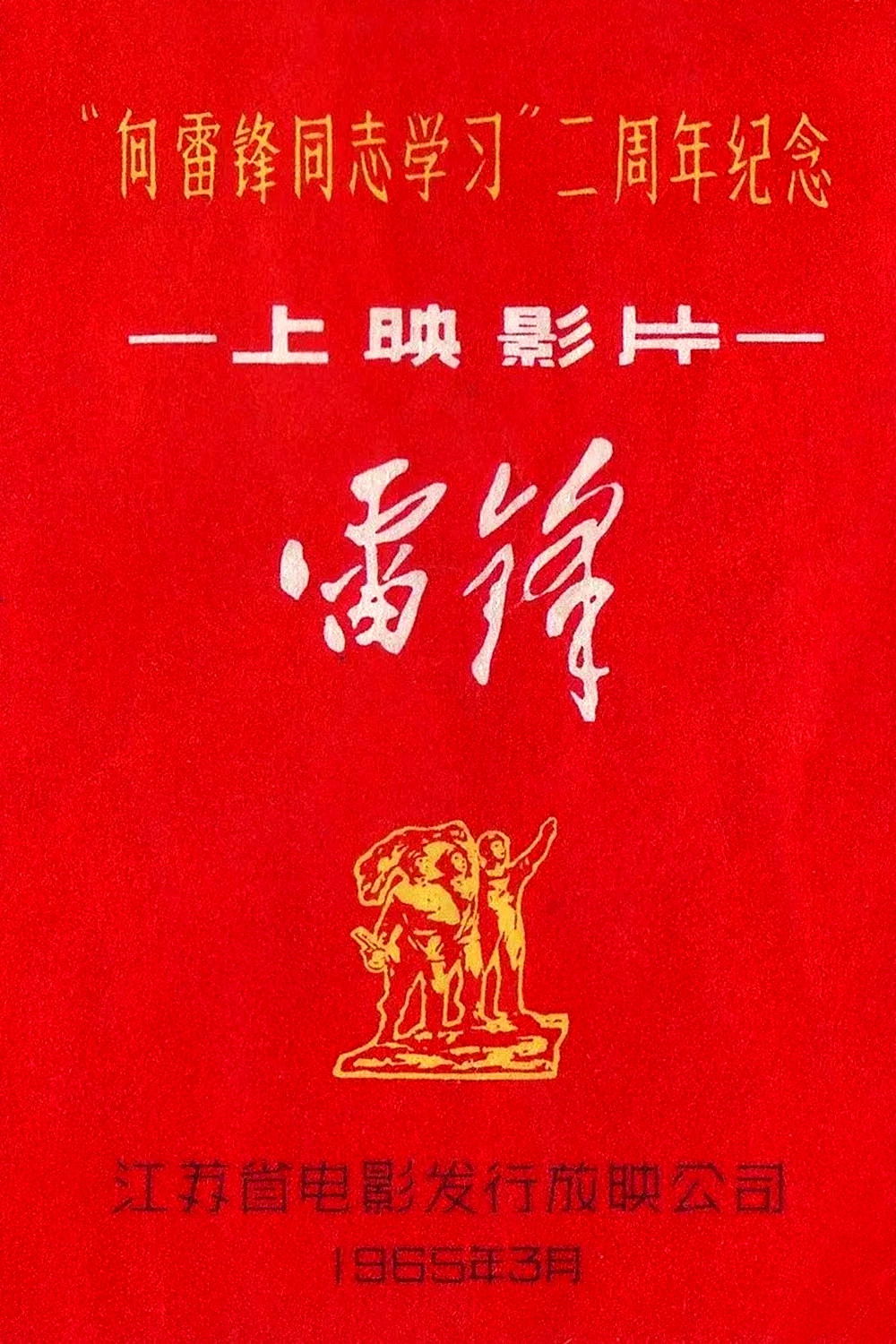
Lei Feng
Lei Feng (December 18, 1940 – August 15, 1962) was a soldier of the People's Liberation Army in the People's Republic of China. After his death, Lei was characterised as a selfless and modest person who was devoted to the Communist Party, Chairman Mao Zedong, and the people of China. In the posthumous "Learn from Comrade Lei Feng" campaign, initiated by Mao in 1963, Lei became the symbol of nationwide propaganda; the youth of the country were encouraged to follow his example. After Mao's death, Lei Feng remained a cultural icon symbolizing selflessness, modesty, and dedication; his name entered daily speech and his imagery appeared on t-shirts and memorabilia.
Insights
Plot Summary
This film is a Chinese propaganda movie depicting the life of Lei Feng, a young soldier in the People's Liberation Army. It portrays him as an exemplary figure of selflessness, dedication to Mao Zedong's teachings, and unwavering loyalty to the Communist Party. The narrative follows his humble origins and his transformation into a model citizen through diligent study and service.
Critical Reception
As a propaganda film produced during the Cultural Revolution era, "Lei Feng" was not subject to typical critical reviews. Its primary purpose was ideological indoctrination and the promotion of Lei Feng as a national hero. Critical analysis in the Western sense is not applicable; its reception was measured by its effectiveness in fulfilling its political objectives within China.
What Reviewers Say
The film is a key piece of Communist Party propaganda.
It serves to create and reinforce the image of Lei Feng as a national role model.
Its narrative structure is designed to convey specific ideological messages.
Google audience: Information on general audience reception for this specific film through platforms like Google Reviews is unavailable, as it predates widespread internet access and its distribution was primarily within China for specific ideological purposes.
Fun Fact
Lei Feng's diary entries, which form the basis of his posthumous image, were published after his death and are widely believed to have been heavily edited or even fabricated by propaganda officials.
AI-generated overview · Verify ratings on official sources