Movie spotlight
Dear Comrades
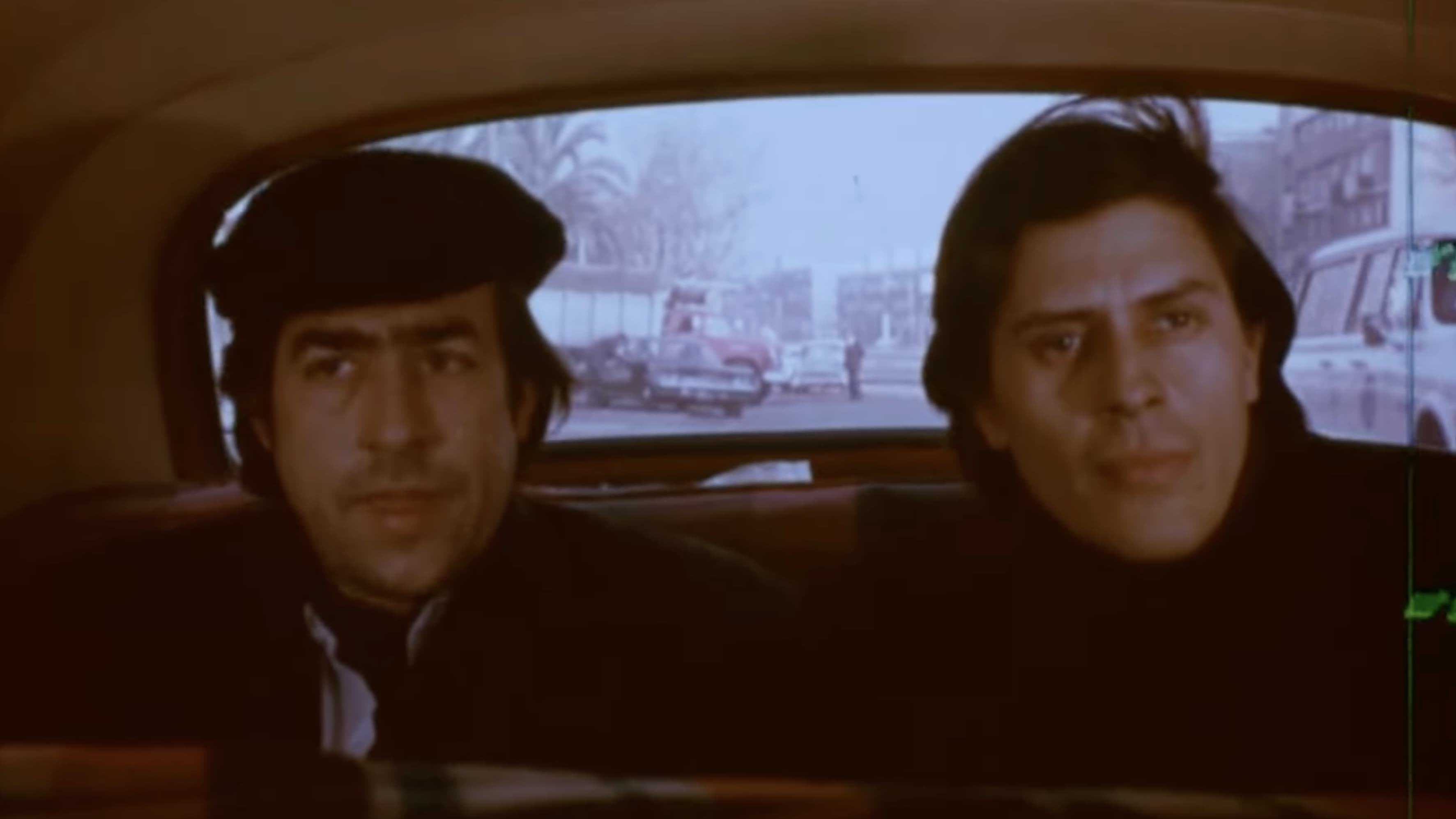
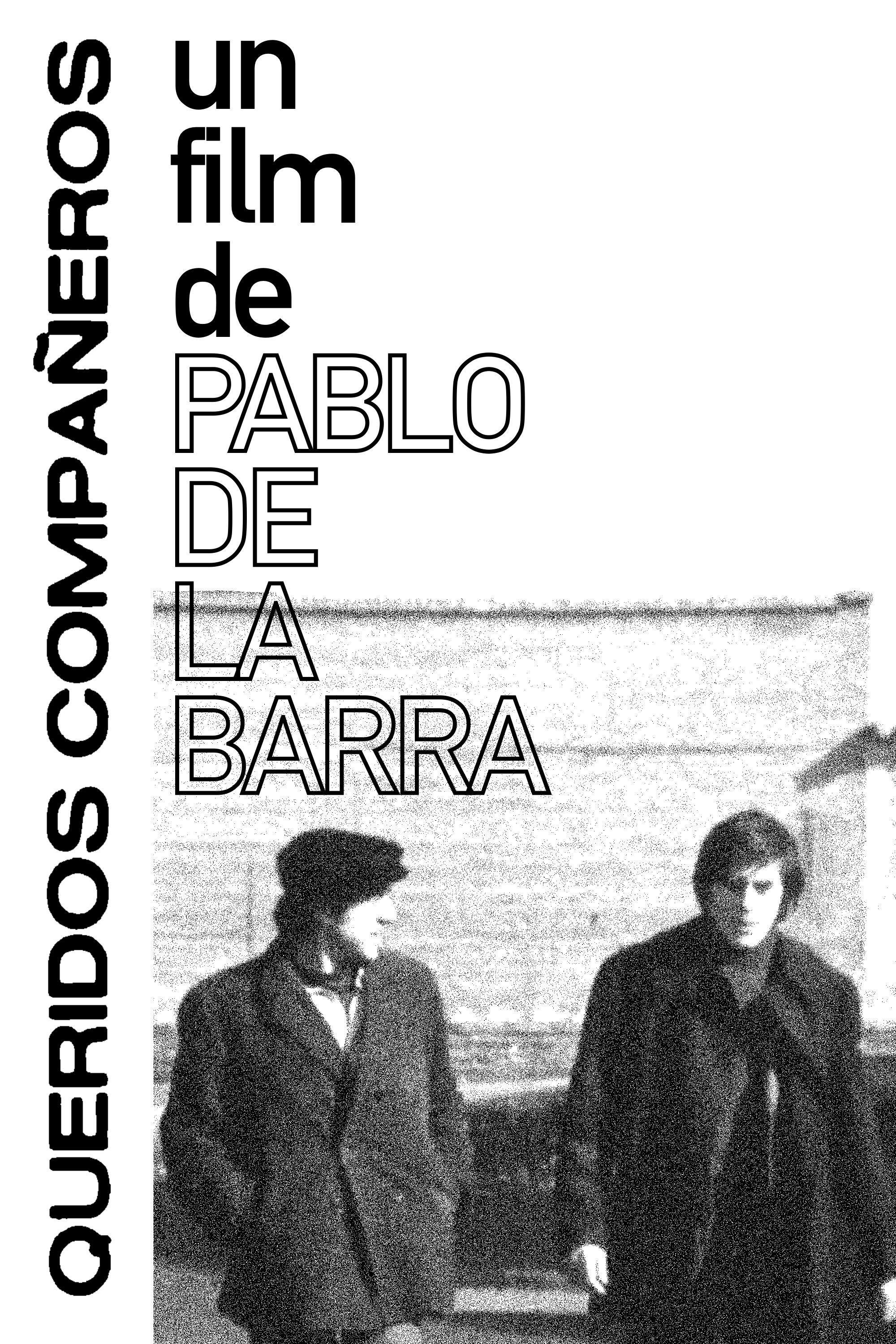
Directed by Pablo de la Barra, Queridos compañeros (1977) is a Chilean-Venezuelan political drama that delves into the fervent revolutionary movements of the late 1960s. The film follows a group of young radical leftists that struggle to change the Chilean political status quo. The production of Queridos compañeros faced significant challenges, since filming started in 1973 but was abruptly halted due to the military coup in Chile that year. Director Pablo de la Barra managed to save the film's footage but lost the original audio tracks. In exile in Venezuela, he reconstructed the sound with the help of the original actors, completing the film in 1977. The film offers a poignant reflection on the aspirations and struggles of a generation striving for systemic change, providing insight into the political dynamics of Chile during a tumultuous period.
Insights
Plot Summary
In the Soviet Union of 1962, a party official in a provincial town grapples with the brutal suppression of a workers' strike. As escalating violence rocks her city, she is forced to confront the realities of the communist regime and her own complicity. The film follows her internal struggle and desperate search for her missing daughter amidst the chaos.
Critical Reception
Dear Comrades received widespread critical acclaim, particularly for its historical relevance, powerful performances, and unflinching portrayal of a suppressed event. Critics lauded its intellectual depth and Konchalovsky's masterful direction, though some noted the bleak subject matter.
What Reviewers Say
Praised for its stark depiction of a suppressed historical event.
Yuliya Vysotskaya's central performance is widely considered a tour de force.
The film effectively captures the paranoia and fear of the Soviet era.
Google audience: Audiences appreciated the film's historical significance and strong acting, finding it a compelling and thought-provoking drama. Some viewers found the subject matter intensely disturbing.
Awards & Accolades
Special Jury Prize and FIPRESCI Prize at the Venice Film Festival.
Fun Fact
The film is based on the true events of the Novocherkassk massacre, an incident that was largely unknown to the public for decades due to Soviet censorship.
AI-generated overview · Verify ratings on official sources