Movie spotlight
The Gorgona
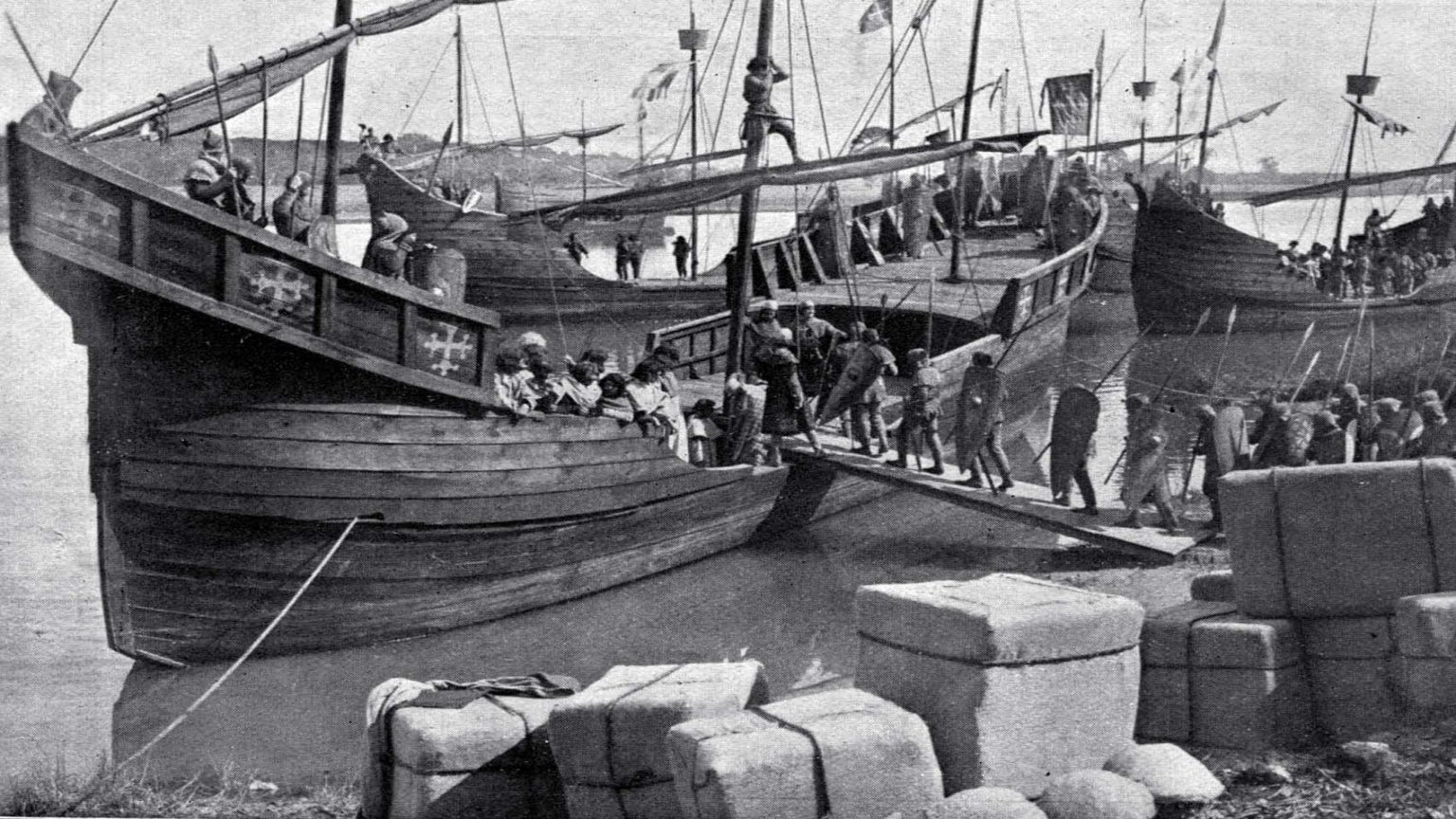
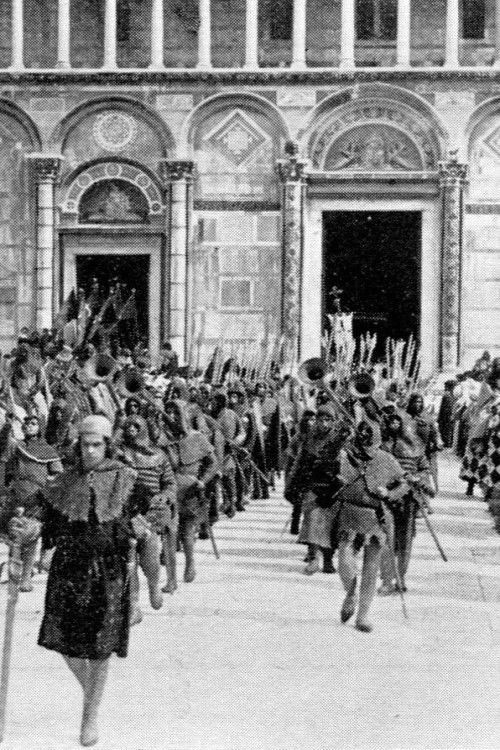
Pisa, 11th century. Spina, a young priestess daughter of Peter, is devoted to keeping a flame burning that illuminates the way back for those returning from the Crusade. But the Florentine knight Lamberto falls in love with her and the two young men fail in the vow of chastity that Spina committed. The shame for having betrayed the promise of purity made pushes Spina to suicide and Lamberto kills himself with her.
Insights
Plot Summary
This silent film epic transports viewers to ancient Rome, focusing on the dramatic and tumultuous life of a Roman senator. It explores themes of power, betrayal, and the moral complexities faced by those in positions of authority within the Roman Empire. The narrative often involves political intrigue and personal struggles against the backdrop of historical events.
Critical Reception
As a silent film from 1915, "The Gorgona" is primarily evaluated through its historical significance and cinematic artistry of the era. Contemporary reviews, if available, would likely have praised its grand scale and dramatic performances, characteristic of early Italian cinema's historical epics. Modern critical assessment focuses on its contribution to the development of historical filmmaking and its place within the silent film canon.
What Reviewers Say
A visually impressive historical spectacle for its time.
Features strong performances typical of early Italian cinema.
Offers a glimpse into the grand narratives of the silent film era.
Google audience: Information on Google user reviews for "The Gorgona" is not readily available due to its age and the nature of its original distribution.
Fun Fact
Enrico Guazzoni, the director of "The Gorgona," was a pioneering figure in Italian cinema, known for his lavish historical epics which often employed large casts and elaborate sets, setting a precedent for future historical films.
AI-generated overview · Verify ratings on official sources