IMDb8.2/10
Rotten Tomatoes92%
Metacritic90
Google Users92%
Director: Victor Fleming•Genres: Epic, Romance, War, Drama
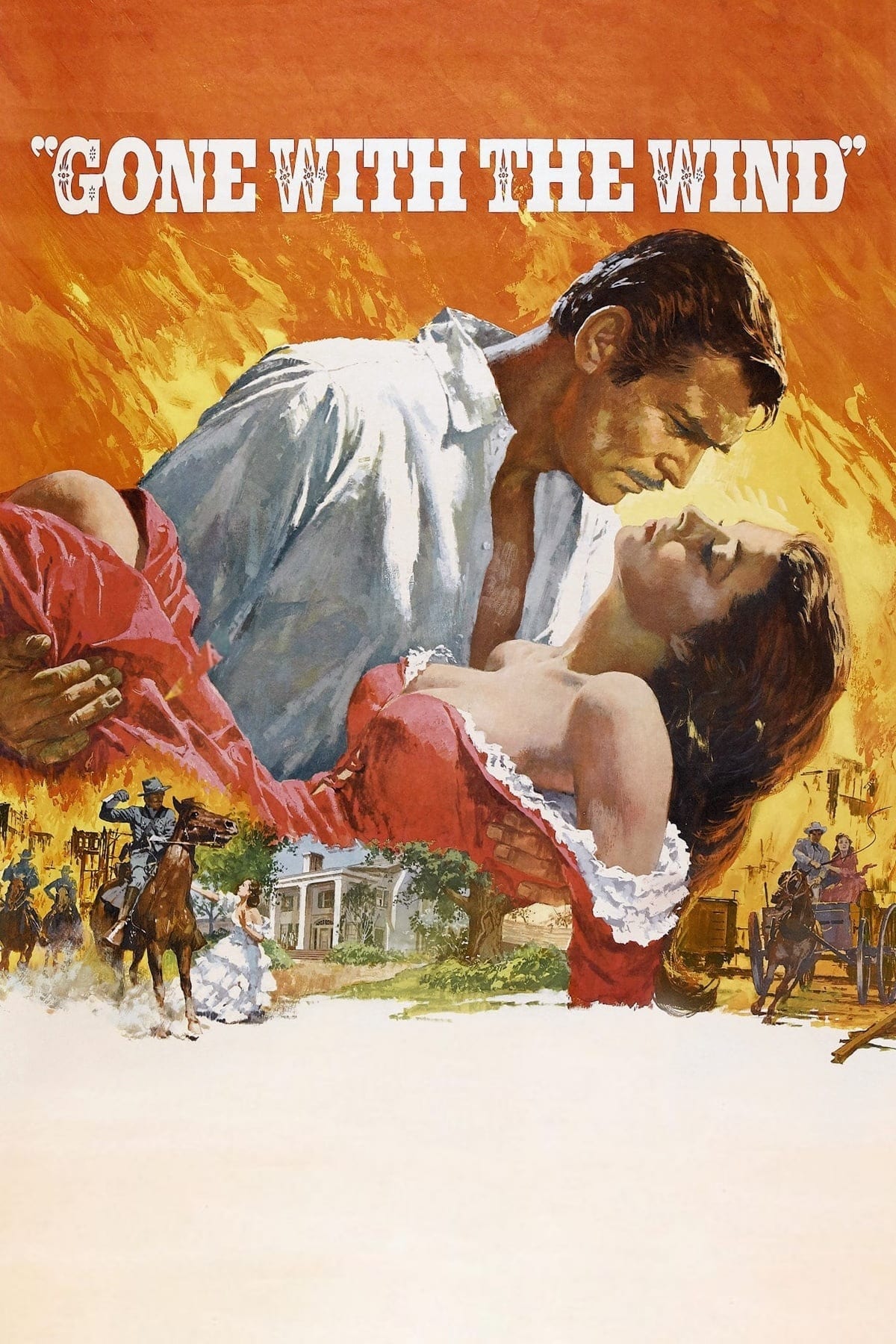
Set against the backdrop of the American Civil War and Reconstruction era, this sweeping epic follows the willful Southern belle Scarlett O'Hara as she navigates love, loss, and survival. Determined to protect her beloved plantation, Tara, Scarlett employs cunning and manipulation to overcome poverty and societal upheaval, all while torn between her passionate but unattainable love for Ashley Wilkes and the roguish charm of Rhett Butler.
Gone with the Wind was a monumental cinematic achievement, lauded for its grand scale, technical prowess, and compelling performances upon its release. While its romanticized depiction of the antebellum South and its handling of race have drawn significant criticism over the decades, it remains one of the most commercially successful and culturally impactful films ever made, a cornerstone of Hollywood's Golden Age.
A visually stunning and epic melodrama that captivates with its grand scope and unforgettable characters.
Vivien Leigh delivers a powerhouse performance as Scarlett O'Hara, embodying resilience and complexity.
The film's romanticized portrayal of the Confederacy and its racial dynamics are deeply problematic by modern standards.
Google audience: Viewers frequently praise the film's epic scale, iconic performances, and enduring romantic drama. However, many acknowledge its problematic historical context and outdated views on race and slavery, recognizing it as a product of its time.
Won 8 Academy Awards including Best Picture, Best Director (Victor Fleming), Best Actress (Vivien Leigh), and Best Supporting Actress (Hattie McDaniel). Nominated for 5 additional Oscars. It was the first color film to win Best Picture and remains one of the highest-grossing films of all time when adjusted for inflation.
The iconic line 'Frankly, my dear, I don't give a damn' was originally written as 'Frankly, my dear, I don't care,' but producer David O. Selznick insisted on the more forceful expletive, famously fighting to keep it despite Hays Code restrictions.
AI-generated overview · Verify ratings on official sources