
Movie spotlight
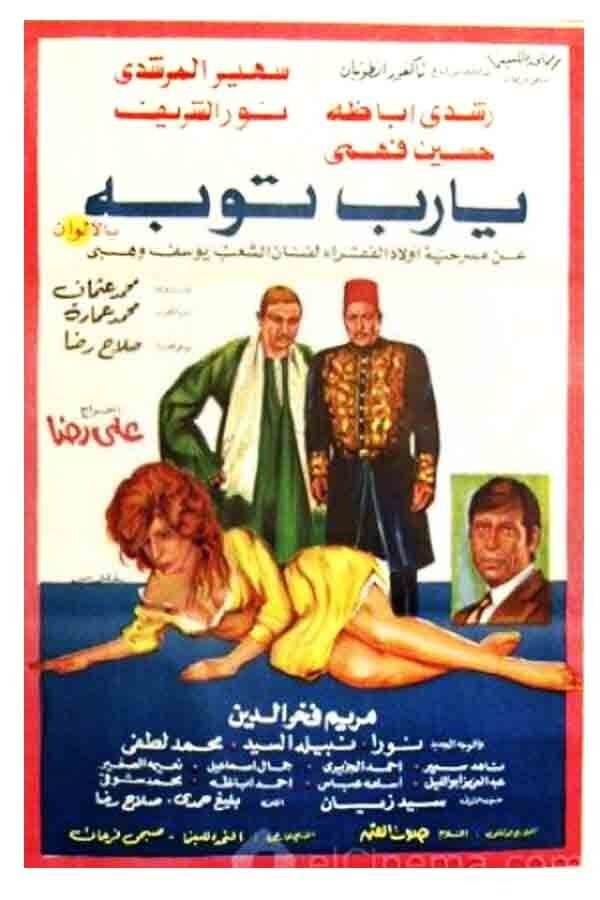
يا رب توبة
A Basha is furious when he learns that his son Zaki had an affair with his cousin Hosnia, he also knows that she's pregnant. He makes her marry Ibrahim, one of the peasants working in his land, who rejoices at first but after the sixth month of his marriage, he finds Hosnia giving birth to a child.
Insights
Plot Summary
The film follows the turbulent life of a man struggling with his past and the consequences of his actions. He navigates through difficult relationships and societal pressures as he seeks redemption and a way to escape his fate. Facing moral dilemmas, he must confront his inner demons and external obstacles in a quest for peace.
Critical Reception
This Egyptian drama was a significant film of its era, known for its strong performances and exploration of social themes prevalent in the 1970s. While specific critical reviews from its initial release are scarce in international databases, it is generally remembered as a compelling piece of Egyptian cinema that resonated with audiences for its dramatic narrative and star power.
What Reviewers Say
Praised for its compelling dramatic storyline and performances.
Explores universal themes of struggle, redemption, and societal challenges.
A notable example of Egyptian filmmaking from the 1970s.
Google audience: Information on Google user reviews specifically for this film is not readily available in English-language databases. However, Egyptian films from this period often garnered strong local viewership and discussion.
Fun Fact
The film stars two iconic figures of Egyptian cinema, Farid Shawqi and Hind Rostom, who were frequent collaborators and major stars of their time.
AI-generated overview · Verify ratings on official sources