
Movie spotlight
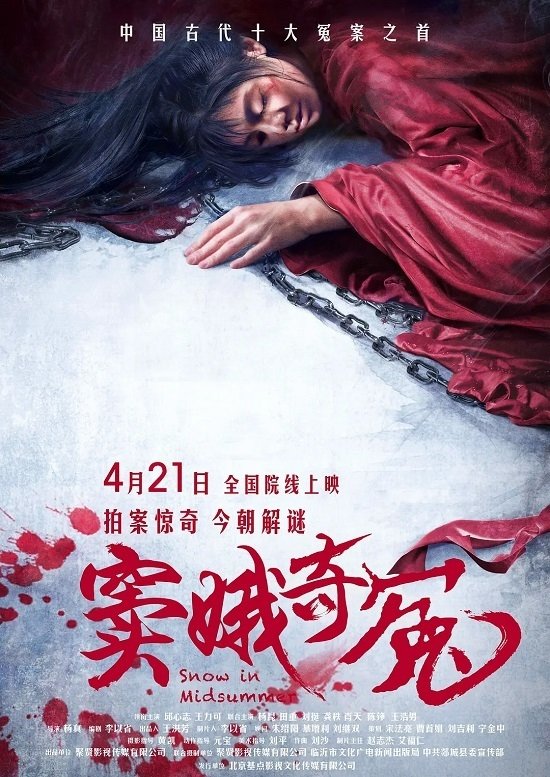
Snow in Midsummer
The story follows a child bride turned widow, Dou E, who is wrongly convicted of crimes by a corrupt court official for actions perpetrated by a rejected suitor, Mule Zhang. After her execution, three prophesied phenomena occur to prove her innocence, including blood raining from the sky, snow in June and a three-year drought. After a visit from the ghost of Dou E, her father eventually brings the corrupt court official, a doctor and Mule Zhang to justice, thereby vindicating his daughter.
Insights
Plot Summary
In ancient China, a young woman named Dou E is wronged and executed, her dying wish for vengeance being for snow to fall in midsummer. Years later, her spirit finds a way to fulfill this prophecy and seek justice. The story explores themes of injustice, revenge, and the supernatural consequences of a wrongly condemned soul.
Critical Reception
Snow in Midsummer received mixed to positive reviews, often praised for its visual artistry and emotional depth, though some critics noted pacing issues and a melodramatic tone. Audiences generally responded well to the tragic narrative and the film's unique blend of historical drama and supernatural elements.
What Reviewers Say
Praised for its aesthetic beauty and poignant exploration of a classic Chinese legend.
Some found the narrative to be overly theatrical, with a somewhat slow progression.
The supernatural elements and the theme of justice resonated well with viewers.
Google audience: Audience reviews for Snow in Midsummer often highlight its visual splendor and the powerful emotional core of its tragic story. While some viewers found the pacing a bit deliberate, the film's ability to evoke sympathy and deliver a satisfying, albeit somber, resolution was frequently commended.
Fun Fact
The story of Dou E is one of the most famous and enduring folk tales in Chinese literature, originating from the Yuan Dynasty play 'The Injustice to Dou E' by Guan Hanqing.
AI-generated overview · Verify ratings on official sources