
Movie spotlight
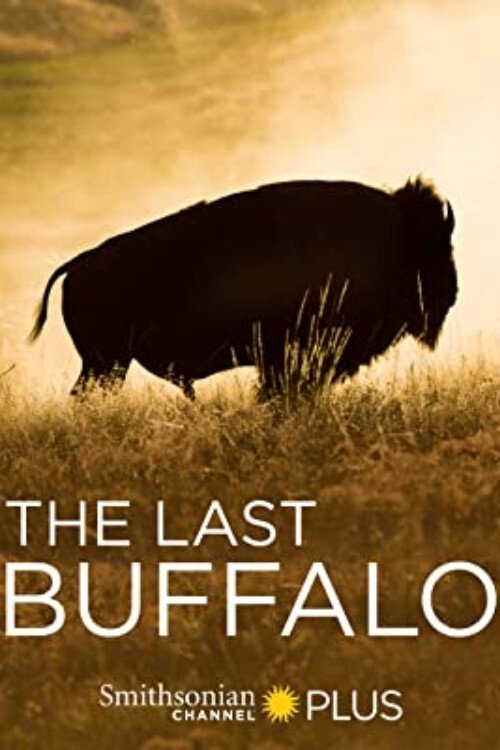
The Last Buffalo
For thousands of years, the Great Plains were home to countless numbers of American bison, but in the late 1800s, the number of bison dropped from nearly 30 million to just a few hundred in less than 100 years. What happened to place this national icon on the brink of extinction? Join us as we detail the events that led to this mass extermination. Then follow the story of William Temple Hornaday, a chief taxidermist at the Smithsonian Institution who headed west to hunt bison for the museum, but ended up saving the species instead.
Insights
Plot Summary
This documentary explores the decline of the American bison and the efforts to preserve the species. It delves into the historical significance of the buffalo to Native American culture and the ecological impact of their near-extinction. The film highlights the ongoing challenges and successes in rehabilitating bison populations across North America.
Critical Reception
The Last Buffalo was generally well-received by critics and audiences for its informative content and compelling narrative. It was praised for shedding light on a crucial aspect of American natural history and the conservation efforts surrounding the bison. The documentary's visual storytelling and expert interviews contributed to its positive reception.
What Reviewers Say
Praised for its educational value and focus on conservation.
Commended for its insightful look into the history and cultural significance of the bison.
Appreciated for its clear and engaging presentation of a vital environmental issue.
Google audience: Information on Google user reviews is not readily available.
Fun Fact
The American bison is the largest land mammal in North America, with males capable of weighing up to 2,000 pounds.
AI-generated overview · Verify ratings on official sources