
badelf
Hero: Zhang Yimou's Cinematic Poem of Movement and Meaning In "Hero", Zhang Yimou transcends the martial arts genre, transforming physical combat into a language of profound philosophical discourse. What begins as a seemingly simple narr...
Movie spotlight
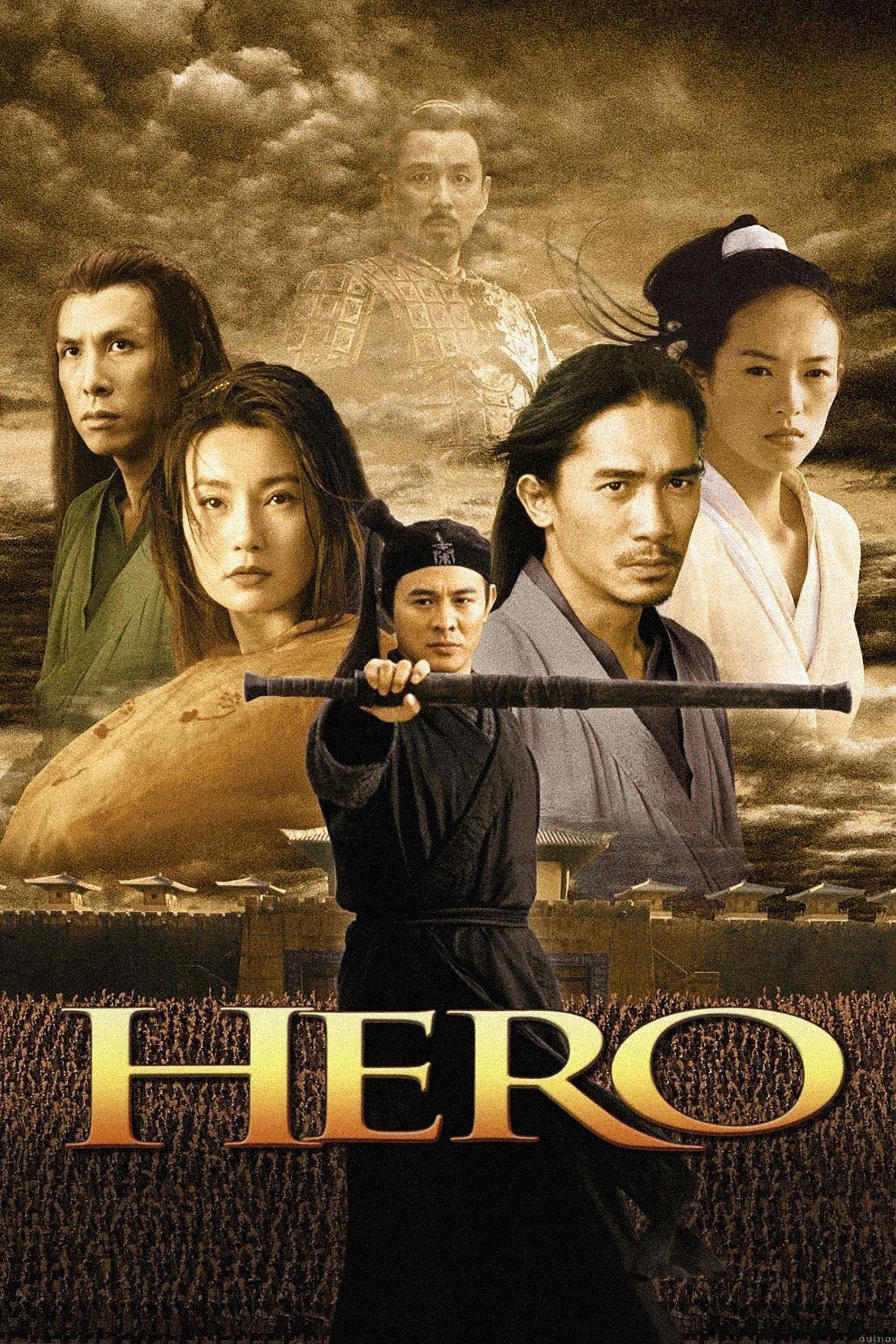
During China's Warring States period, a district prefect arrives at the palace of Qin Shi Huang, claiming to have killed the three assassins who had made an attempt on the king's life three years ago.
In ancient China, the Qin state is a formidable power, and King Qin seeks to conquer all other states and unify the land. Nameless, a former soldier, arrives at the King's palace claiming to have defeated three of his deadliest assassins: Sky, Broken Sword, and Flying Snow. However, the King is suspicious and believes Nameless's tale is a fabrication. As Nameless recounts his story, the truth behind his supposed victories and his complex relationships with the fallen assassins begins to unravel.
Hero was met with widespread critical acclaim, particularly for its stunning visual artistry, choreography, and epic scope. Critics praised Zhang Yimou's direction and the film's unique narrative structure, which presents the same events from multiple perspectives. While some found the emotional core less developed than its visual spectacle, it was largely lauded as a masterpiece of martial arts cinema.
Visually breathtaking with stunning cinematography and fight choreography.
An epic and ambitious martial arts film with a unique narrative structure.
Praised for its artistry and Zhang Yimou's masterful direction.
Google audience: Google users largely lauded 'Hero' for its spectacular visuals, breathtaking action sequences, and profound storytelling. Many found the film to be a visually stunning and emotionally resonant cinematic experience, with praise for the performances and the artistic direction.
Nominated for the Academy Award for Best Foreign Language Film, Nominated for the Golden Globe Award for Best Foreign Language Film, Won Best Cinematography at the Broadcast Film Critics Association Awards.
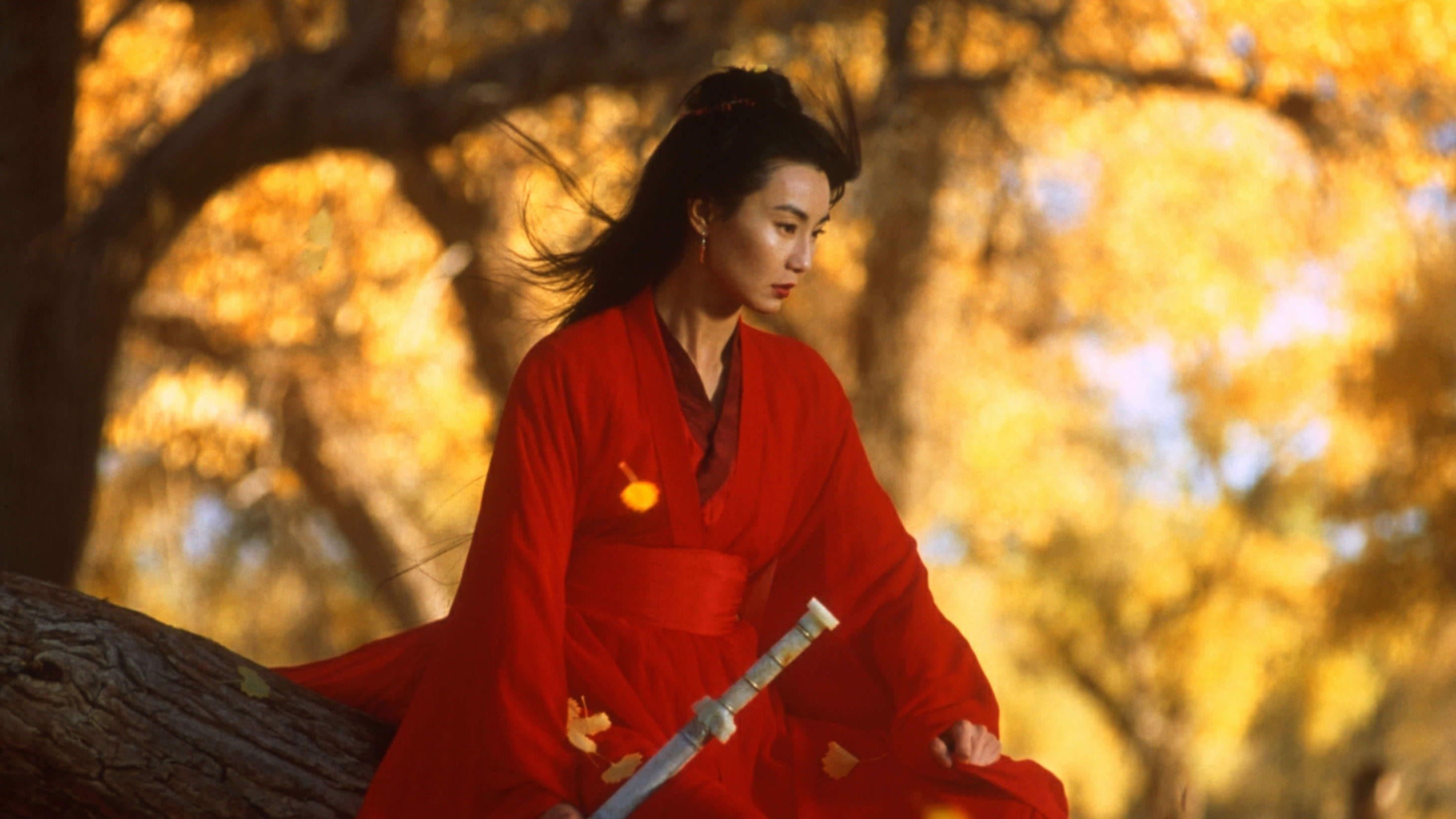
The iconic color-coded scenes, where each retelling of the story is visually dominated by a specific color (red, blue, white, green, grey), were inspired by the five elements of Chinese philosophy (wood, fire, earth, metal, water).
AI-generated overview · Verify ratings on official sources
Hero: Zhang Yimou's Cinematic Poem of Movement and Meaning In "Hero", Zhang Yimou transcends the martial arts genre, transforming physical combat into a language of profound philosophical discourse. What begins as a seemingly simple narr...