
Insights
Plot Summary
In post-war Taiwan, a young woman named Hsiao-Mei struggles with her identity and her place in a rapidly changing society. She navigates complex family relationships, societal expectations, and the burgeoning modern world. The film explores themes of tradition versus modernity, and the search for personal fulfillment.
Critical Reception
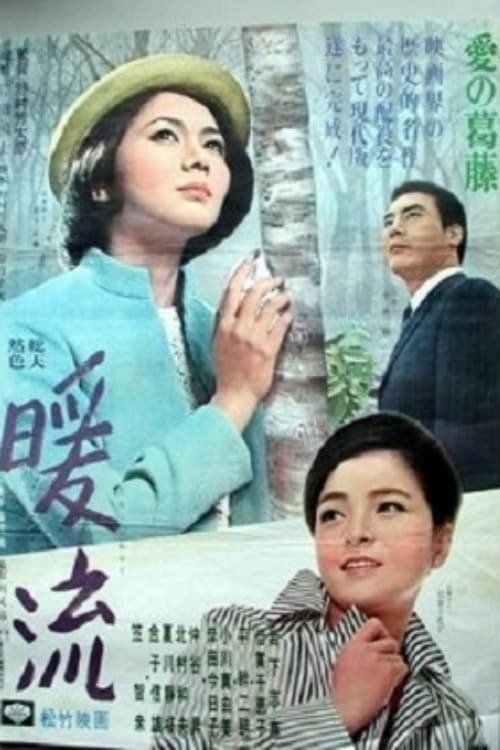
Warm Current is a significant film in Taiwanese cinema, noted for its sensitive portrayal of women's experiences during a period of societal transition. While not a blockbuster, it garnered critical appreciation for its thoughtful narrative and performances. It is often viewed as a poignant reflection of the era.
What Reviewers Say
Praised for its introspective look at female struggles in a changing Taiwan.
Appreciated for its subtle direction and atmospheric storytelling.
Considered a valuable piece of Taiwanese cinematic history.
Google audience: Information on Google user reviews for 'Warm Current (1966)' is not readily available.
Fun Fact
The film is considered an important example of the 'Second New Wave' of Taiwanese cinema, which emerged in the 1960s and 70s, focusing on more realistic and humanistic themes.
AI-generated overview · Verify ratings on official sources