
Movie spotlight
Surviving the Dust Bowl
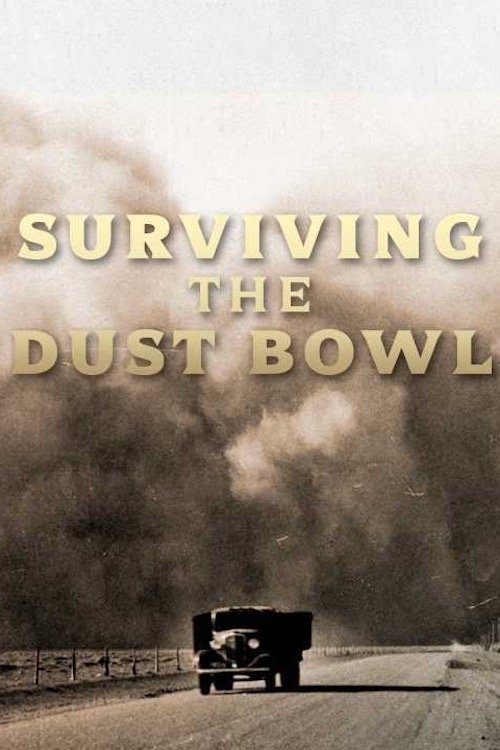
In 1931 the rains stopped and the "black blizzards" began. Powerful dust storms carrying millions of tons of stinging, blinding black dirt swept across the Southern Plains — the panhandles of Texas and Oklahoma, western Kansas, and the eastern portions of Colorado and New Mexico. Topsoil that had taken a thousand years per inch to build suddenly blew away in only minutes. One journalist traveling through the devastated region dubbed it the "Dust Bowl." This American Experience film presents the remarkable story of the determined people who clung to their homes and way of life, enduring drought, dust, disease — even death — for nearly a decade. Less well-known than those who sought refuge in California, typified by the Joad family in John Steinbeck's "The Grapes of Wrath," the Dust Bowlers who stayed overcame an almost unbelievable series of calamities and disasters.
Insights
Plot Summary
This four-part documentary series chronicles the devastating environmental and human crisis of the Dust Bowl in the American Great Plains during the 1930s. It explores the ecological, economic, and social factors that led to the disaster, the harrowing experiences of the families who lived through it, and their eventual resilience and migration. The series features archival footage, photographs, and interviews with survivors, painting a vivid picture of hardship and endurance.
Critical Reception
Surviving the Dust Bowl was widely acclaimed by critics and audiences alike for its compelling narrative, extensive use of primary sources, and poignant portrayal of a significant period in American history. It is often cited as one of the definitive documentaries on the Dust Bowl era.
What Reviewers Say
Praised for its thorough historical research and engaging storytelling.
Lauded for its powerful interviews with Dust Bowl survivors, offering firsthand accounts of hardship and resilience.
Considered an essential viewing for understanding a crucial chapter of American environmental and social history.
Google audience: Audience reception is overwhelmingly positive, with viewers frequently commending the documentary's emotional impact and its ability to humanize the struggles of those affected by the Dust Bowl. Many appreciate its educational value and the direct voices of survivors.
Fun Fact
The documentary utilized a vast collection of Depression-era photographs, including many iconic images from photographers like Dorothea Lange and Arthur Rothstein, to visually reconstruct the era.
AI-generated overview · Verify ratings on official sources