
Movie spotlight
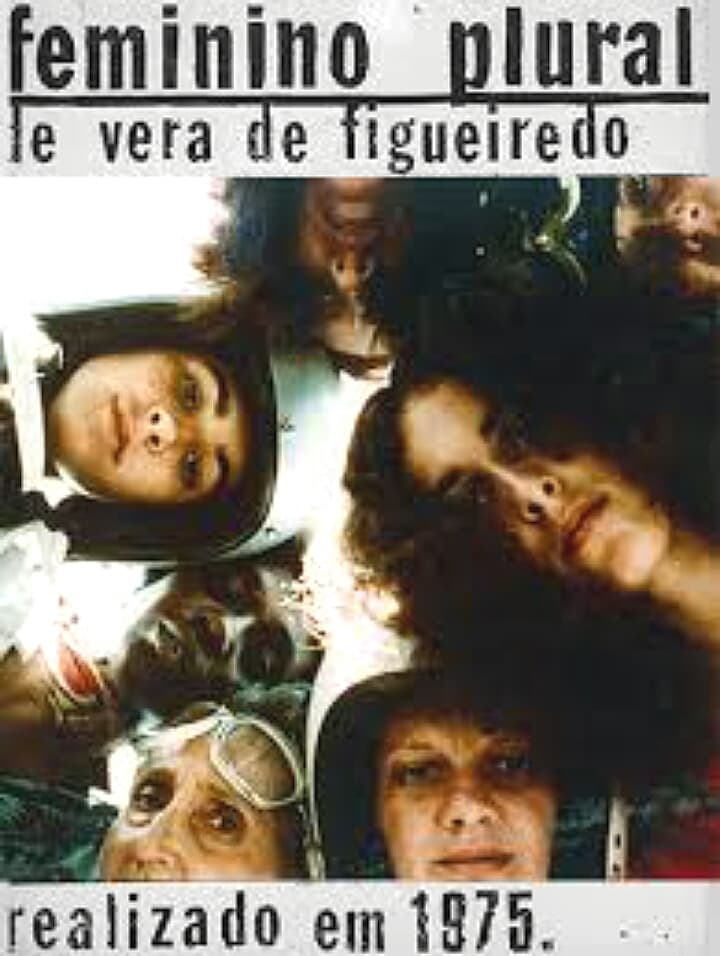
Feminino Plural
"Seven women on motorcycles, through Via Dutra, go to the Baixada Fluminense, a microcosm of Brazil. Diving into the memory and questioning the behavior imposed on women, they seek to rescue the strength of the feminine. The new woman, born in the Brazilian land, incorporates the Amazons and Santa Guerreira. At his side, the new man, more loose and creative. Closing the cycle, the initial road is resumed. " (HBH / QC)
Insights
Plot Summary
This documentary offers a unique look into the lives and perspectives of women in Brazil during the 1970s. It explores their daily routines, societal roles, and personal aspirations, presenting a mosaic of female experiences across different social strata. The film serves as an intimate portrait, highlighting the complexities of womanhood in a rapidly changing cultural landscape.
Critical Reception
As a documentary from 1976, "Feminino Plural" was noted for its direct and intimate approach to portraying women's lives at the time. While specific critical reviews from its release are scarce, its significance lies in its candid exploration of female identity and societal expectations within Brazil's historical context. Modern appraisals often highlight its value as a historical document and a pioneering work in Brazilian feminist cinema.
What Reviewers Say
Praised for its intimate and empathetic portrayal of women.
Considered a valuable historical document on Brazilian women's lives in the 1970s.
Recognized for its contribution to early feminist filmmaking in Brazil.
Google audience: Information on Google user reviews for this specific film is not readily available. However, its historical context suggests it would have been appreciated by audiences interested in social documentaries and women's issues.
Fun Fact
The director, Vera de Tarso, was known for her sensitive approach to documentary filmmaking, often focusing on social issues and marginalized communities.
AI-generated overview · Verify ratings on official sources