Movie spotlight
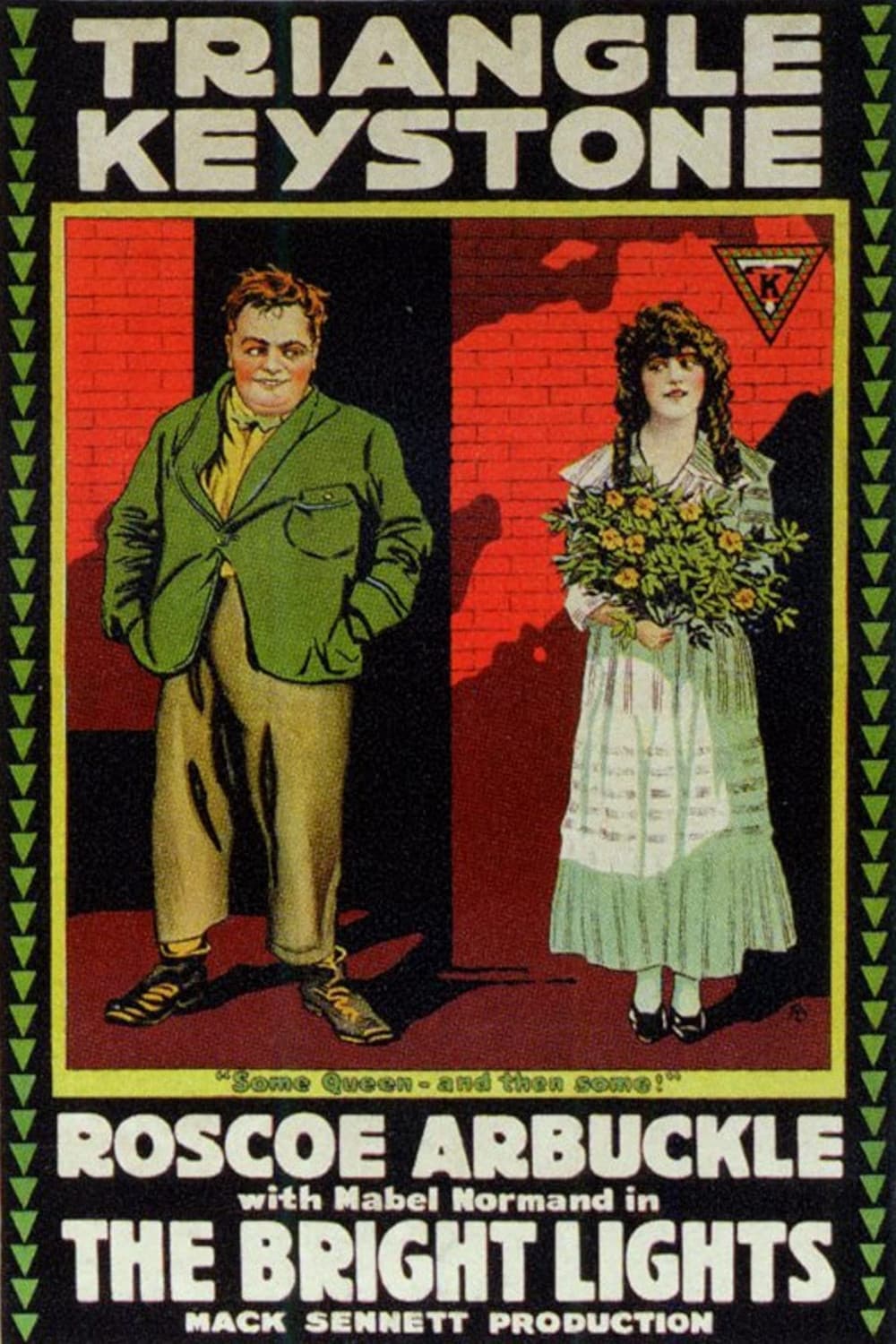
Bright Lights
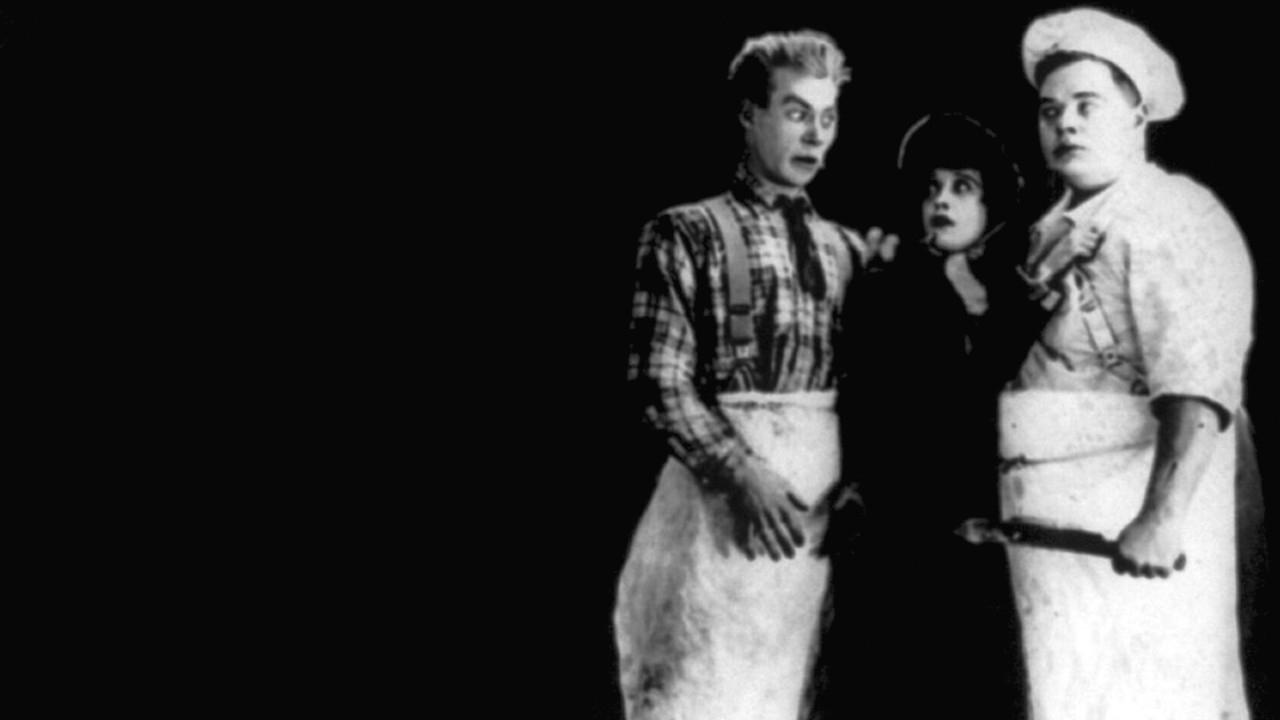
The manager of a small town hotel installs a cabaret in an attempt to achieve the standard set by restaurants in the large cities. His effort is ludicrous because of the fact that his talent is all recruited from the help in the hotel. Roscoe, the cook, is forced to appear in a dress suit and when Al St. John appears from the bar there is a lively rivalry between the two for the applause of the crowd. Mabel, the waitress, vies with a professional dancer from the city. Into this setting comes William Jefferson, a polished sharper, who takes the innocent Mabel by storm.
Insights
Plot Summary
A young man from a modest background falls in love with a wealthy socialite. He struggles to gain acceptance into her world and prove his worth, facing societal pressures and the skepticism of her affluent family. The film explores themes of class differences and the pursuit of love against societal expectations.
Critical Reception
As a silent film from 1916, detailed critical reception is scarce. However, contemporary reviews likely focused on its comedic elements and the romantic narrative, common for films of its era. Audience reception would have been shaped by the popular acting styles and storytelling conventions of early cinema.
What Reviewers Say
Explored themes of social class and romance prevalent in early 20th-century cinema.
Likely praised for its comedic moments and the lead actor's performance.
Reflected the dramatic and romantic storytelling popular in the silent film era.
Google audience: As 'Bright Lights' is a silent film from 1916, there are no specific Google user reviews available for analysis. Information on audience reception is limited to historical context and general trends of early cinema.
Fun Fact
This film is considered a lost film, meaning no known copies are believed to exist today, making its specific details and impact difficult to fully ascertain.
AI-generated overview · Verify ratings on official sources