Movie spotlight
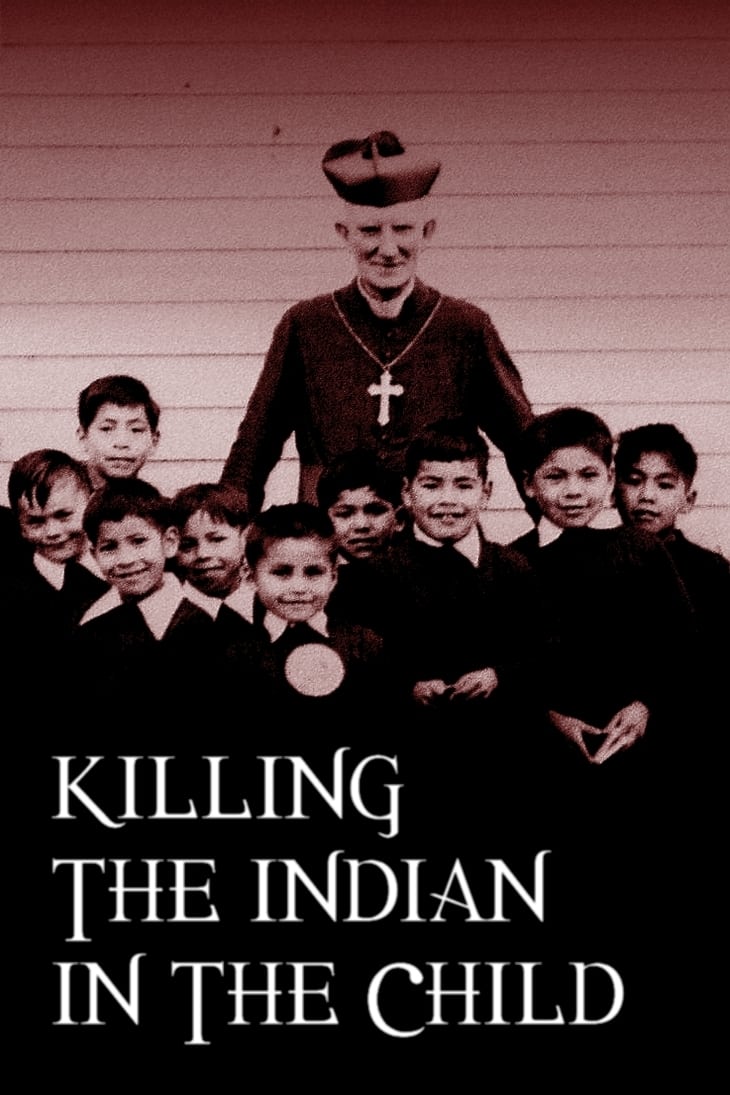
Killing the Indian in the Child
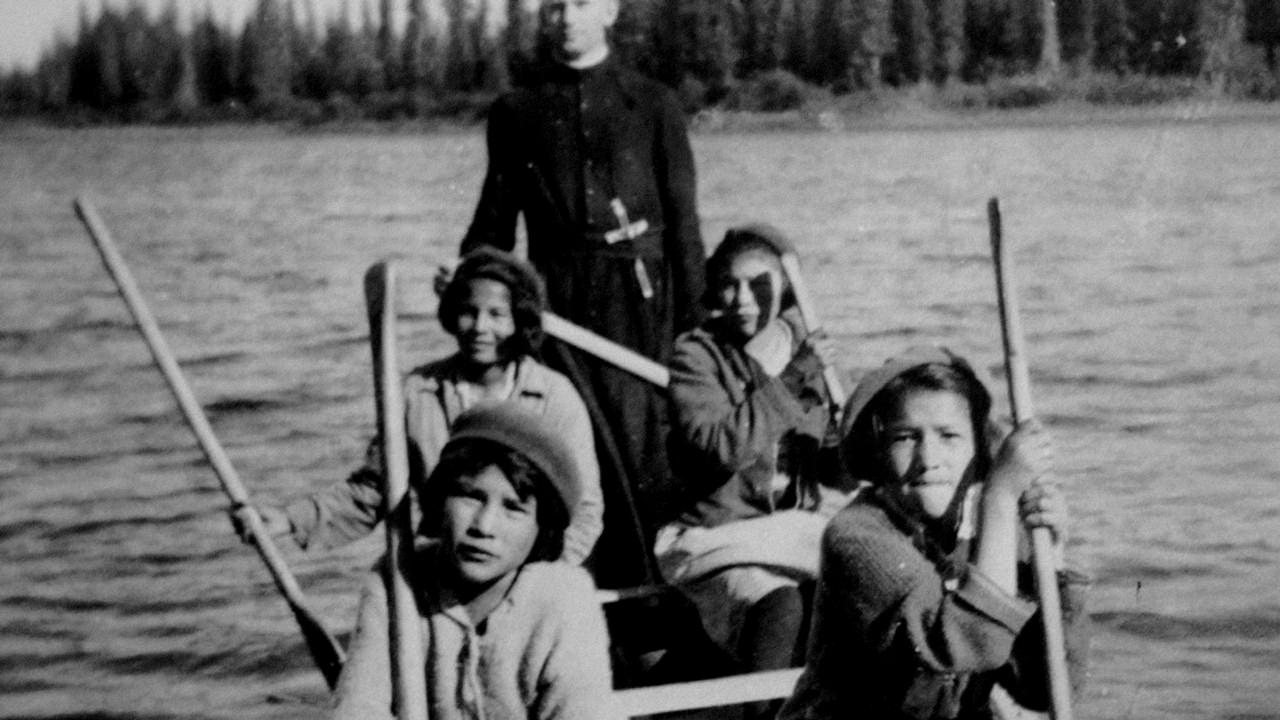
The Indian Act, passed in Canada in 1876, made members of Aboriginal peoples second-class citizens, separated from the white population: nomadic for centuries, they were moved to reservations to control their behavior and resources; and thousands of their youngest members were separated from their families to be Christianized: a cultural genocide that still resonates in Canadian society today.
Insights
Plot Summary
This documentary examines the devastating legacy of Canada's residential school system, revealing firsthand accounts from Indigenous survivors who endured immense trauma and abuse. It explores the systemic efforts to eradicate Indigenous culture and identity, and the ongoing impact these institutions have had on individuals, families, and communities.
Critical Reception
The documentary has been widely praised for its crucial and timely exploration of a dark chapter in Canadian history, offering vital perspectives from survivors. It is considered an important educational tool for understanding the ongoing effects of colonialism and the resilience of Indigenous peoples.
What Reviewers Say
Essential viewing for understanding Canada's colonial past.
Powerful and heartbreaking survivor testimonies.
Highlights the ongoing trauma and the need for reconciliation.
Google audience: Audience reviews emphasize the documentary's emotional impact and its importance in educating the public about the atrocities of the residential school system. Many viewers found it to be a difficult but necessary watch, highlighting the courage of the survivors who shared their stories.
Fun Fact
The documentary draws its title from the infamous phrase attributed to ethnologist Richard Henry Pratt, 'Kill the Indian in the child to save the man,' which became a guiding principle for the residential school system.
AI-generated overview · Verify ratings on official sources