
Movie spotlight
Windbreaks on the Prairies
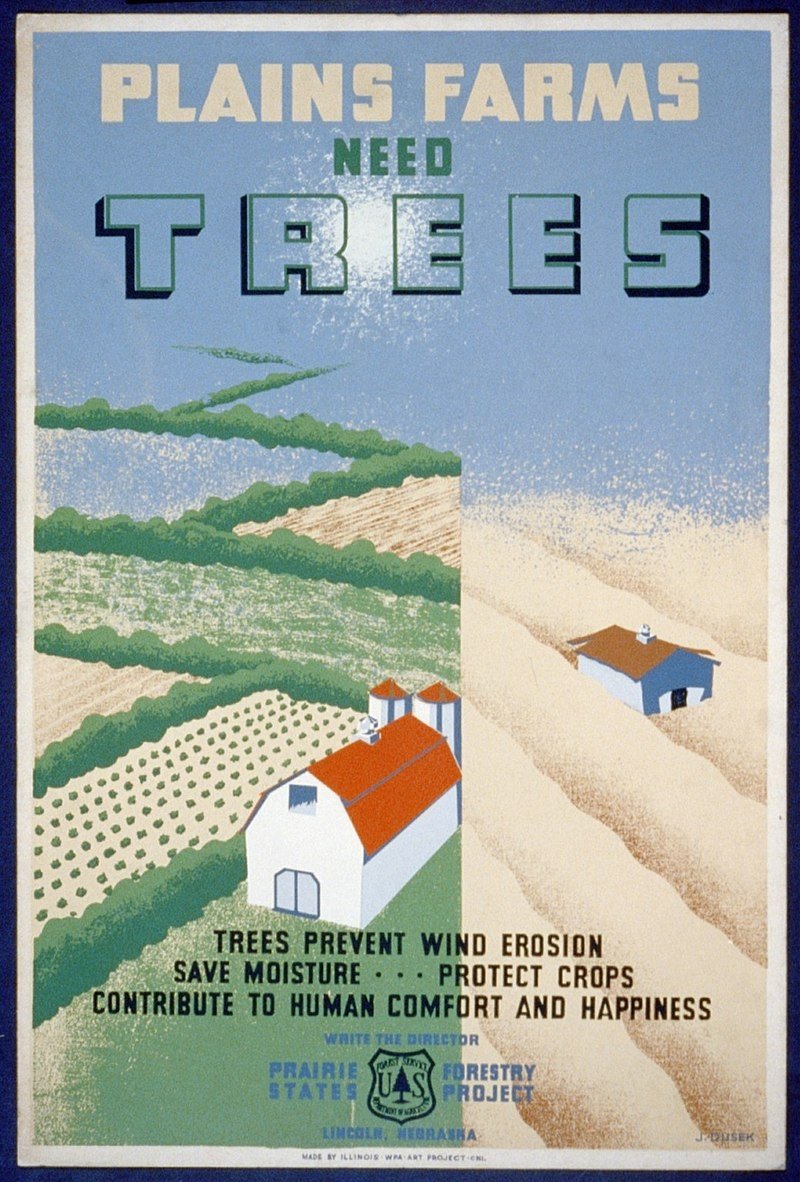
This short film serves as a cautionary tale to farmers who recklessly cut down trees on their land. When prairie farmers engaged in this practice to facilitate plowing, they discovered that the trees had served as windbreaks protecting top soil from erosion. The Dominion Department of Agriculture's experimental station at Indian Head, Saskatchewan, cultivated acres of young trees for distribution to farmers.
Insights
Plot Summary
This short documentary explores the vital role of windbreaks in protecting farmland on the Canadian prairies. It showcases the challenges faced by farmers due to wind erosion and demonstrates how planting trees can create effective barriers. The film highlights the long-term benefits of this agricultural practice for soil conservation and crop yields.
Critical Reception
As a historical documentary from 1943 focused on agricultural practices, 'Windbreaks on the Prairies' was likely viewed as an informative and educational resource by its intended audience. Its value lies in its visual record of early conservation efforts and farming techniques. Modern critical analysis would focus on its historical significance rather than artistic merit.
What Reviewers Say
An important visual record of prairie conservation efforts.
Demonstrates practical solutions to agricultural challenges.
Offers insights into historical farming techniques.
Google audience: Information regarding Google user reviews for this historical documentary is not available.
Fun Fact
This film was produced by the National Film Board of Canada, an organization established during World War II to create informational and propaganda films.
AI-generated overview · Verify ratings on official sources