
Movie spotlight
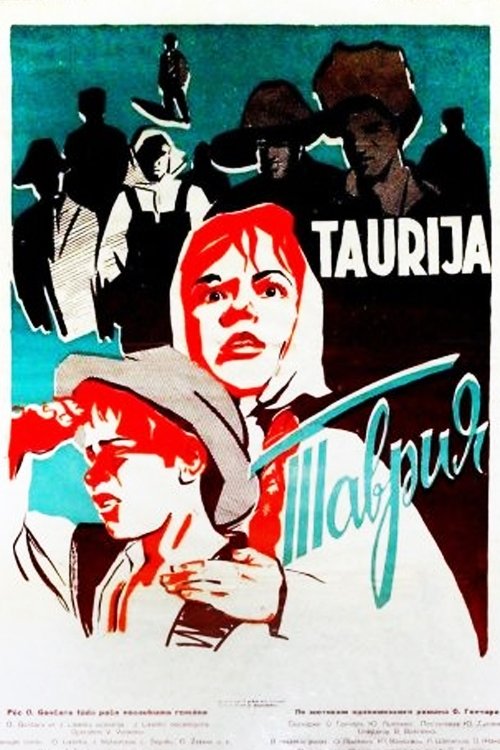
Tavria
1914, Imperial Russia. A group of Ukrainian peasants searching for a better life in the Taurida steppe end up working at the landholding of the aristocratic Falz-Fein family. Friends Vustya and Hanna are courted by a revolutionary and the landowner's son, both rising their hopes and dreams.
Insights
Plot Summary
Set during the tumultuous period of World War I and the Russian Revolution, the film follows the intertwined fates of several characters, focusing on the hardships and moral complexities faced by ordinary people amidst societal upheaval. It explores themes of loyalty, betrayal, and the search for identity in a rapidly changing world. The narrative often uses striking visual imagery to convey the emotional weight of historical events.
Critical Reception
Tavria is a lesser-known but critically appreciated film, often lauded for its artistic merit and powerful portrayal of a turbulent historical period. While not a mainstream blockbuster, it garnered attention within cinephile circles for its directorial vision and thematic depth. Audience reception tends to be polarized, with some finding it profound and others challenging due to its slow pacing and somber tone.
What Reviewers Say
Praised for its poetic and visually striking cinematography, capturing the mood of a nation in crisis.
Commended for its sensitive exploration of individual struggles against a backdrop of grand historical events.
Noted for its deliberate pacing, which some find meditative and others slow.
Google audience: Information on specific Google user reviews for 'Tavria (1960)' is not readily available in public databases, making it difficult to summarize audience sentiment definitively.
Fun Fact
Yuri Ilyenko, the director of 'Tavria', was also a highly acclaimed cinematographer, and his distinctive visual style is evident throughout the film, often employing striking natural light and compositions.
AI-generated overview · Verify ratings on official sources