Movie spotlight
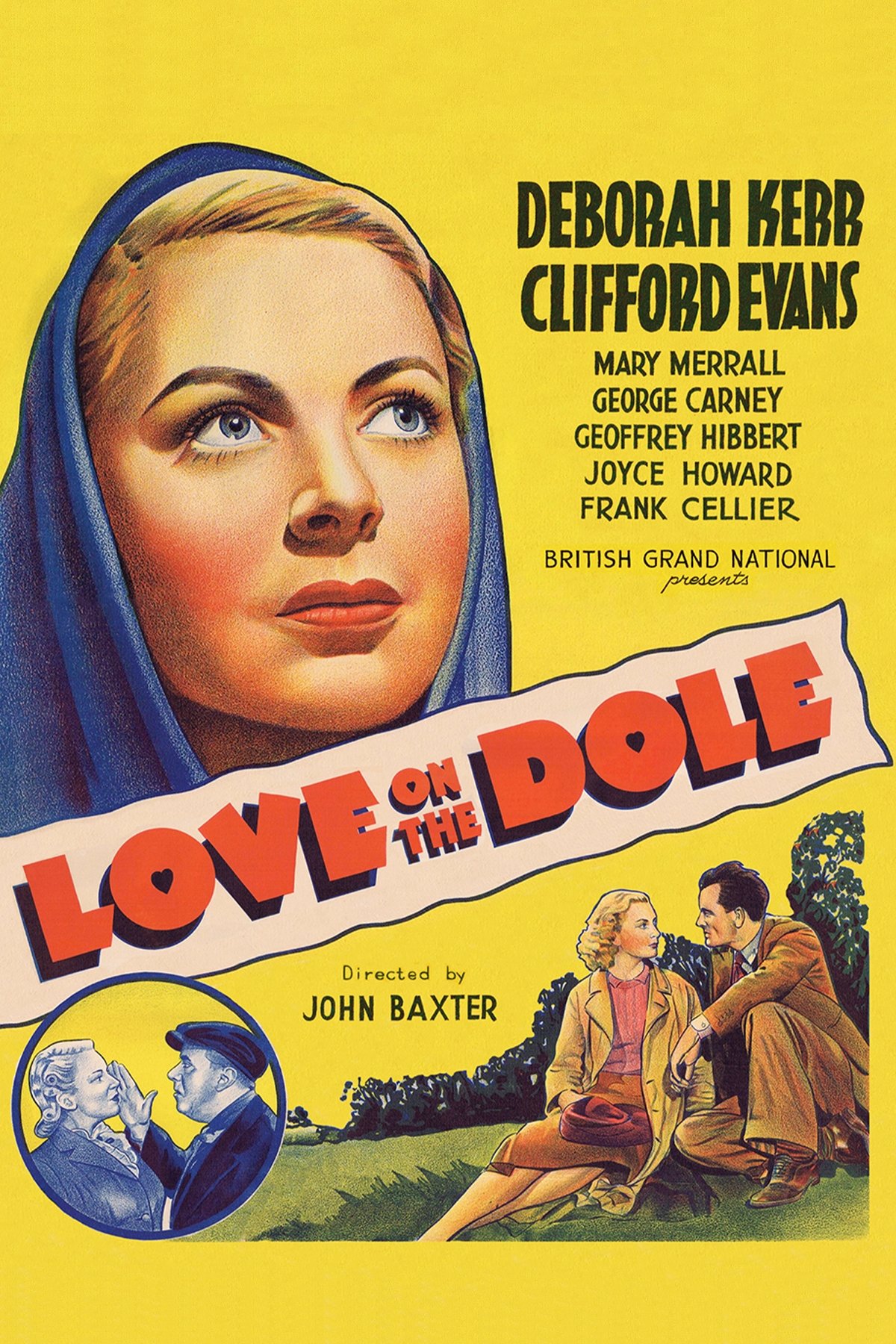
Love on the Dole
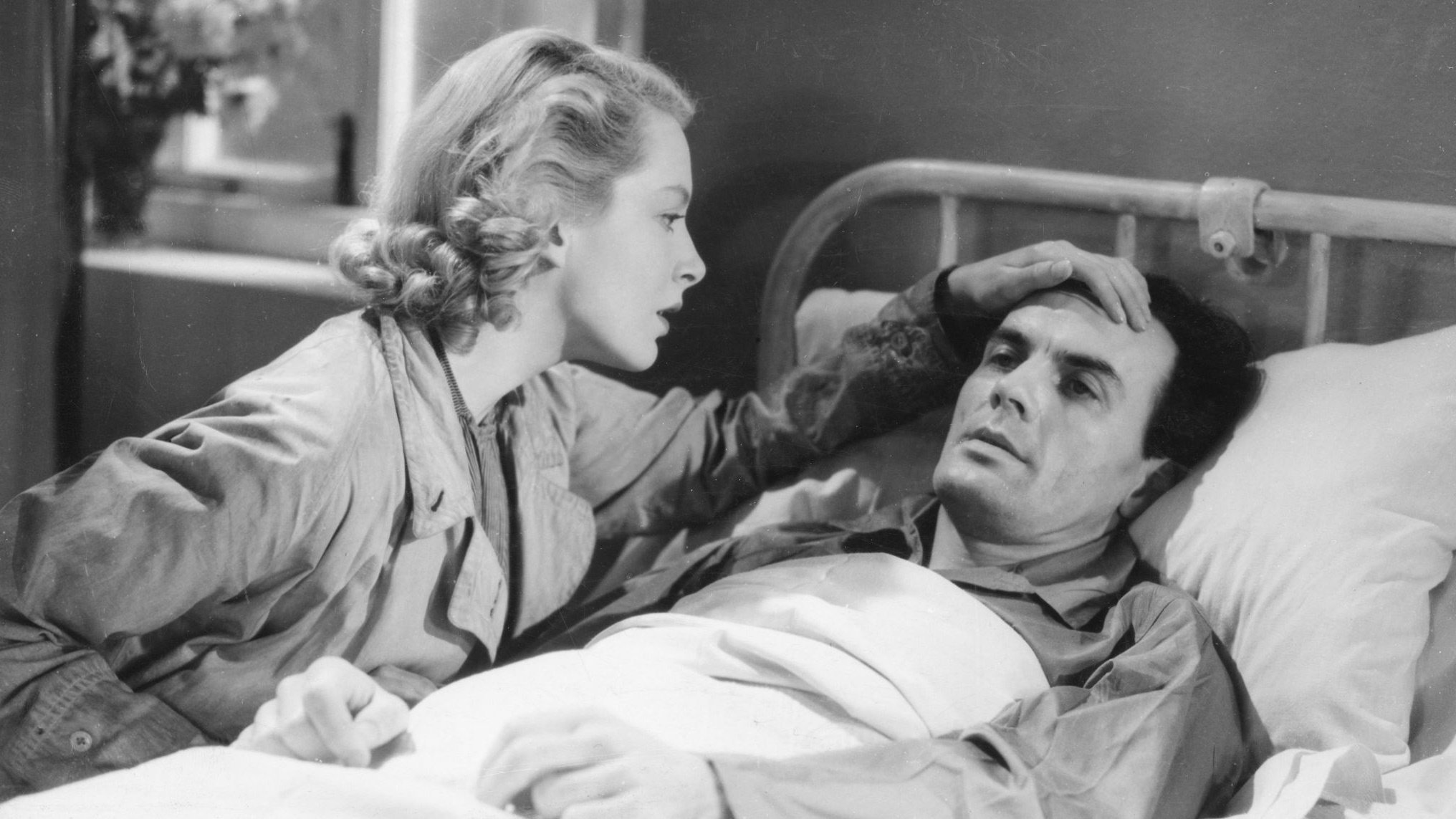
Depressing and realistic family drama about the struggles of unemployment and poverty in 1930s Lancashire. The 20-year-old Kerr gives an emotionally charged performance as Hardcastle, one of the cotton workers trying to make life better. Interlaced with humour that brings a ray of sunshine to the pervasive bleakness, this remains a powerful social study of life between the wars, and was a rare problem picture to come out of Britain at the time.
Insights
Plot Summary
Set in the impoverished Lancashire mill towns during the Great Depression, the film follows the struggles of Sally Hardcastle and her family as they face unemployment and social hardship. Sally is torn between her love for Harry, a young working-class man, and the attentions of Ned Barlow, a wealthier, more ambitious individual who offers her a seemingly better life. The narrative explores the devastating impact of economic downturn on ordinary people, their hopes, and their relationships.
Critical Reception
The film was a critical success, lauded for its stark portrayal of working-class life and its poignant performances. Critics praised its social realism and its ability to capture the despair and resilience of those affected by the economic hardships of the era. It is considered a significant British film of its time, reflecting the social anxieties and conditions of post-WWI Britain.
What Reviewers Say
A powerful and moving depiction of working-class struggle during the Depression.
Features strong performances, particularly from Googie Withers.
Praised for its social commentary and authentic portrayal of hardship.
Google audience: Audience reception information from Google is not readily available for this classic film.
Fun Fact
The film is based on the 1933 novel of the same name by Walter Greenwood, which itself was a controversial and groundbreaking work for its realistic depiction of poverty and social conditions.
AI-generated overview · Verify ratings on official sources