
Return to Kirkuk: A Year in the Fire
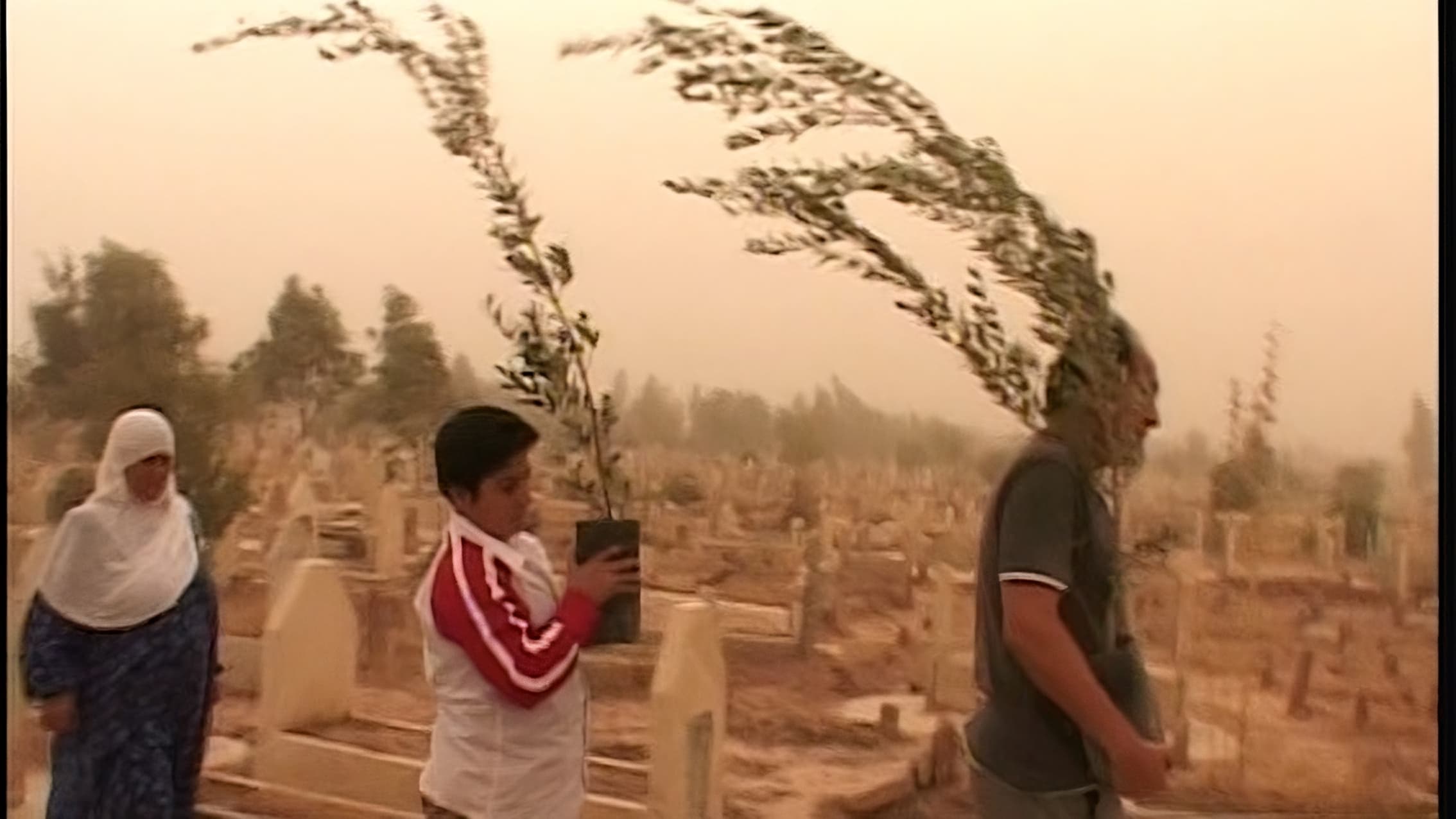
It was 30 years ago that 14-year-old Karzan Sherabayani was arrested and tortured by Saddam Hussein's secret police, his only crime being that he was a Kurd. After 25 years in exile, Karzan, now a British citizen, has returned to his childhood home to vote in Iraq's first democratic election. Having been banished for so long, Karzan now asks the people of Kirkuk if they accept the path promoted by the West...a path that will inevitably lead to a divided Iraq or a bloody civil war. In this incredible documentary, Karzan exposes a city that sits on one of the world's largest oil deposits as a place where old ethnic and sectarian divisions are still rife. Kirkuk, he says, is a microcosm of the new Iraq. During the year it took to make the program, Karzan confronted old demons from his past and met with the heroes and villains who are fashioning the country's dangerous and uncertain future
Insights
Plot Summary
This documentary offers a raw and intimate look at the lives of American soldiers and Iraqi civilians during the tumultuous year following the 2003 invasion of Iraq. It chronicles the challenges of occupation, the complexities of rebuilding a nation, and the personal toll of conflict on both soldiers and the people they are meant to protect.
Critical Reception
Return to Kirkuk: A Year in the Fire was noted for its unvarnished portrayal of the Iraq War, offering a perspective that delved into the day-to-day realities and the human cost of the conflict. While not widely reviewed, the film was praised by some for its direct access and emotional impact, providing a ground-level view of the occupation.
What Reviewers Say
- Offers a gritty and personal perspective on the Iraq War.
- Highlights the complex relationship between occupying forces and local populations.
- Documents the challenges and emotional toll of prolonged military presence.
Google audience: Information on Google user reviews and ratings is not readily available for this documentary.
Fun Fact
Director Ben Arbuckle spent a significant amount of time embedded with the troops and civilians he filmed, allowing for a deeply personal and immersive narrative.
AI-generated overview · Verify ratings on official sources