Movie spotlight
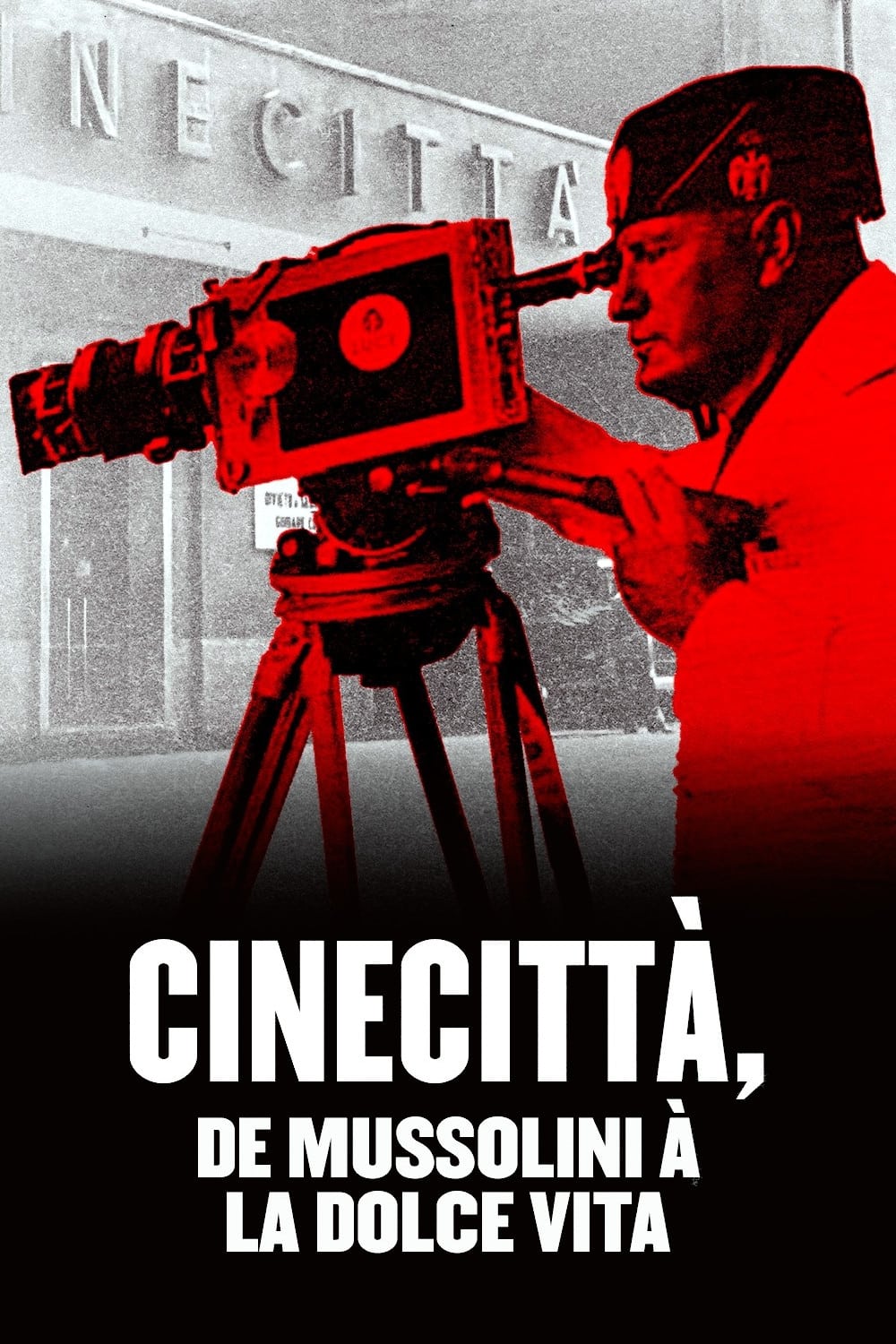
Cinecittà, de Mussolini à la Dolce Vita
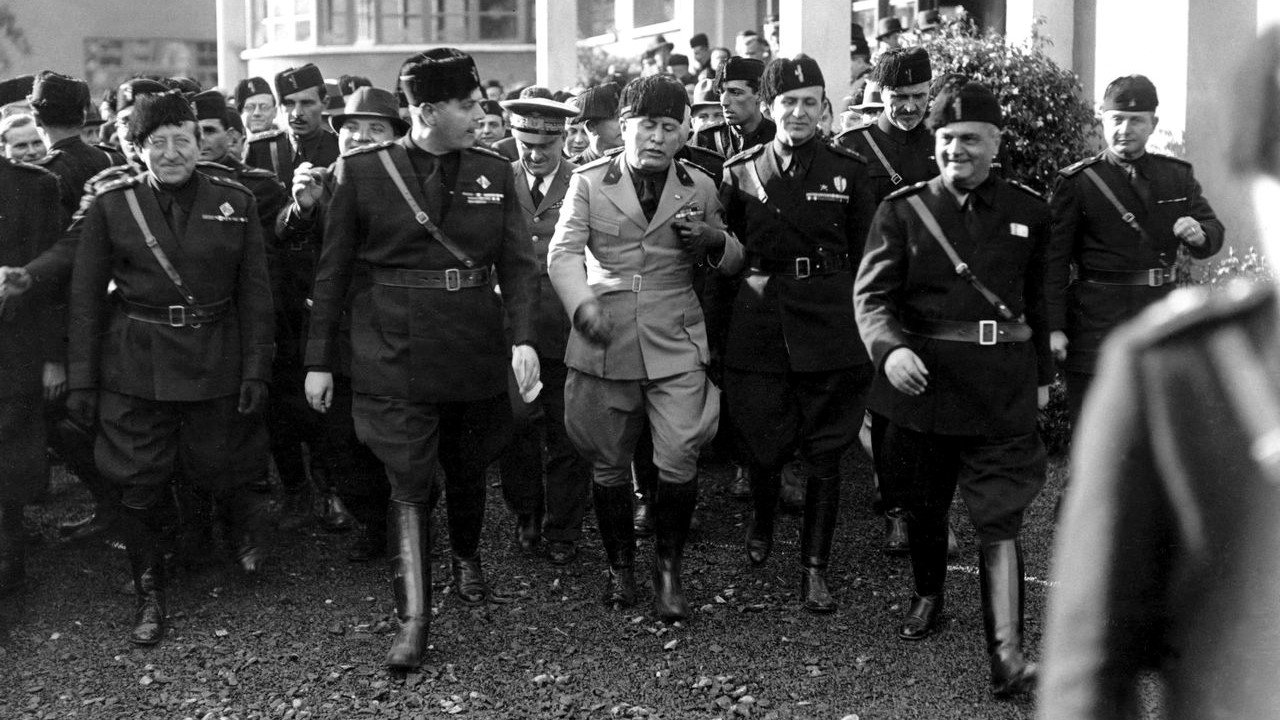
Cinecitta is today known as the center of the Italian film industry. But there is a dark past. The film city was solemnly inaugurated in 1937 by Mussolini. Here, propaganda films would be produced to strengthen the dictator's position.
Insights
Plot Summary
This documentary explores the history of Cinecittà, the legendary film studio complex in Rome. It delves into its origins under Mussolini's regime, its role in post-war Italian cinema, and its enduring legacy through iconic films like 'La Dolce Vita.' The film examines how Cinecittà became a crucible of creativity, shaping both Italian culture and the international film landscape.
Critical Reception
As a documentary focusing on the history and cultural impact of Cinecittà, critical reception generally highlighted its informative nature and archival footage. It was appreciated for shedding light on a significant European film institution, though specific widespread critical reviews are less common for such niche documentaries.
What Reviewers Say
Provides a fascinating look at the historical significance of Cinecittà.
Features compelling archival footage that brings the studio's past to life.
Offers insights into the political and cultural context of Italian filmmaking.
Google audience: Information on Google user reviews for this specific documentary is not widely available.
Fun Fact
Cinecittà was established in 1937 and became known as 'Hollywood on the Tiber,' hosting numerous international productions and serving as the birthplace of the Italian film industry's golden age.
AI-generated overview · Verify ratings on official sources