
Movie spotlight
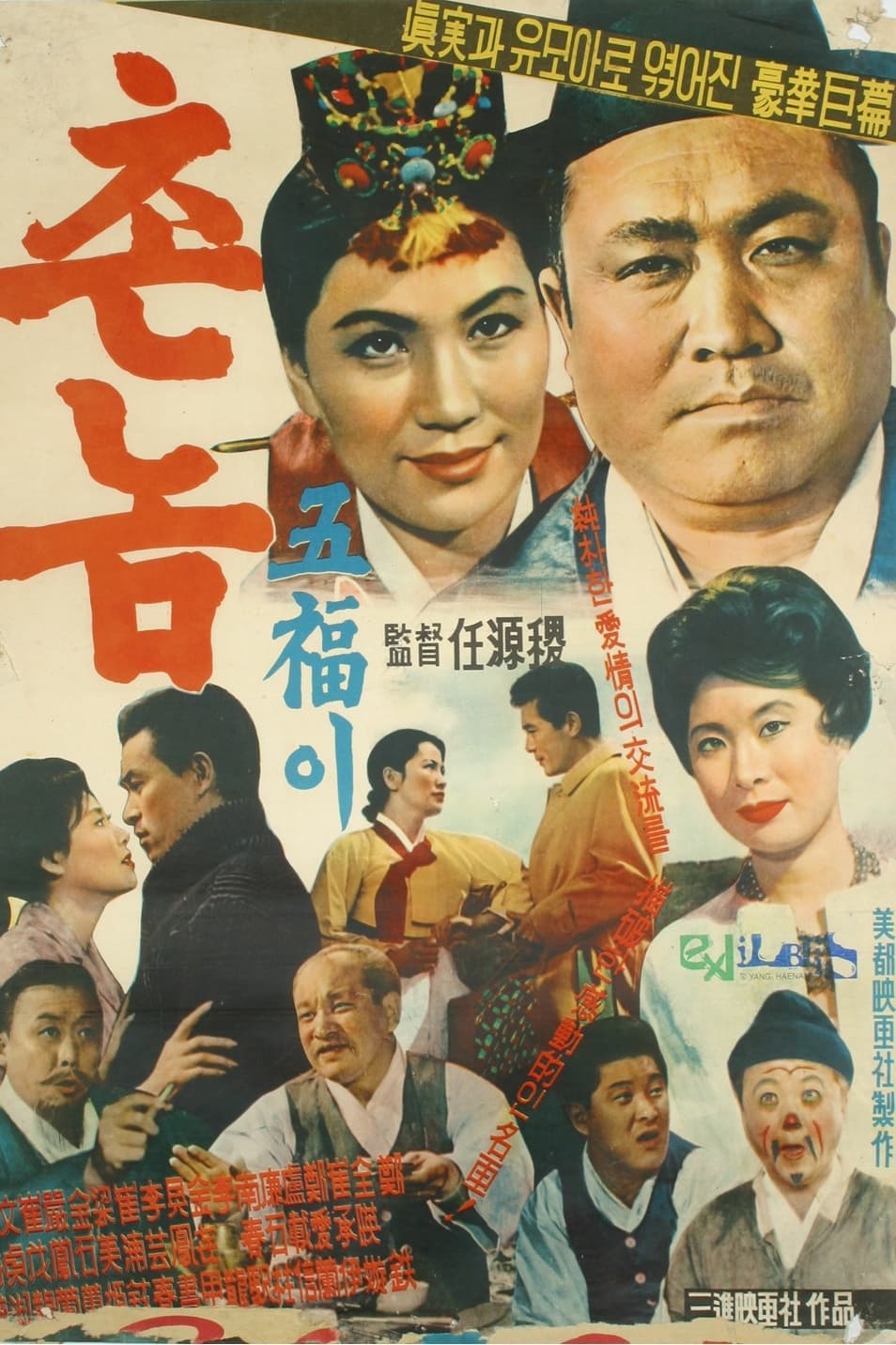
Bumpkin Oh-bok
Kind-hearted country bumpkin O-bok leads a simple life working as a long-time farmhand for the rich landlord Soon-young. When Soon-young discovers that his son Jae-seok has fallen for local girl Soon-yi, he protests the relationship and arranges for Soon-yi to be wed to O-bok instead. Despite the initial heartbreak, Soon-yi grows fond of O-bok over time and they have a daughter together named Sook-hee. However, when Jae-seok returns into Soon-yi’s life, she cannot resist his charms and runs away with him, leaving Jae-seok to raise Sook-hee on his own. Years later, Sook-hee is now a grown woman working in the city and in close contact with her father. However, a series of coincidences threaten to forcibly reunite O-bok and Sook-hee with Jae-seok and Soon-young in the most dramatic way possible.
Insights
Plot Summary
A poor but good-hearted farmer, Oh-bok, strives to make a better life for himself and his family. He faces numerous challenges and setbacks due to his poverty and naive nature, often finding himself in comical yet poignant situations. Despite the hardships, Oh-bok's resilience and optimism shine through as he navigates the complexities of rural life and societal expectations.
Critical Reception
While specific contemporary critical reviews for 'Bumpkin Oh-bok' are scarce in English-language databases, the film is recognized as a significant work by director Shin Sang-ok, a pioneer of Korean cinema. It is generally seen as a poignant and often humorous portrayal of rural Korean life in the post-war era, resonating with audiences for its relatable protagonist and social commentary.
What Reviewers Say
Offers a sympathetic and humorous look at the struggles of a poor farmer.
Shin Sang-ok's direction captures the essence of rural Korean life with authenticity.
The film balances comedic elements with genuine emotional depth.
Google audience: Information on Google user reviews for this film is not readily available.
Fun Fact
Shin Sang-ok, the director of 'Bumpkin Oh-bok', was a highly influential figure in South Korean cinema, known for his prolific output and diverse range of films, earning him the moniker 'The King of Korean Film'.
AI-generated overview · Verify ratings on official sources