
Movie spotlight
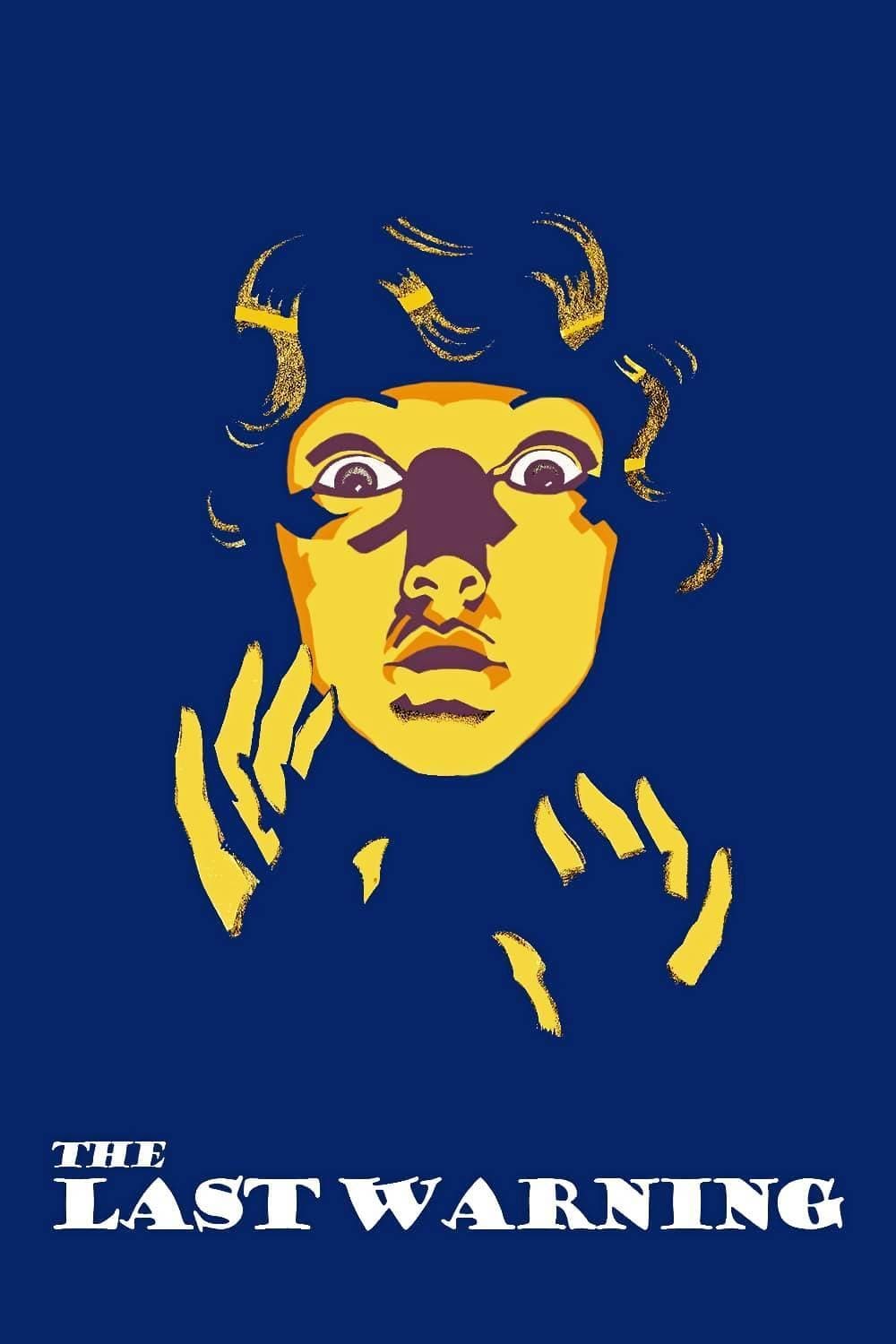
The Last Warning
A producer decides to reopen a theater, that had been closed five years previously when one of the actors was murdered during a performance, by staging a production of the same play with the remaining members of the original cast.
Insights
Plot Summary
A theatrical production of "The Cat and the Canary" is plagued by a series of mysterious and fatal accidents, eerily mirroring the plot of the play. The cast and crew, fearing a curse or a deliberate saboteur, become increasingly paranoid as the "last warning" seems to signify impending doom. As the body count rises, a detective works to uncover the truth before the final curtain falls.
Critical Reception
Released during the transition from silent to sound films, "The Last Warning" is celebrated as a masterful example of German Expressionism applied to American filmmaking. Critics lauded its innovative cinematography, suspenseful atmosphere, and effective use of shadow and light. While not as widely seen as some of its contemporaries, it has gained a strong cult following among horror and silent film enthusiasts for its directorial flair and chilling narrative.
What Reviewers Say
Praised for its stylish direction and atmospheric tension.
Acclaimed for its inventive use of visual storytelling and suspense.
Considered a standout horror film of the silent era.
Google audience: Information not available.
Awards & Accolades
None notable.
Fun Fact
Director Paul Leni, known for his work on "The Cat and the Canary," tragically died of pneumonia shortly after completing "The Last Warning," making this his final completed film.
AI-generated overview · Verify ratings on official sources