Movie spotlight
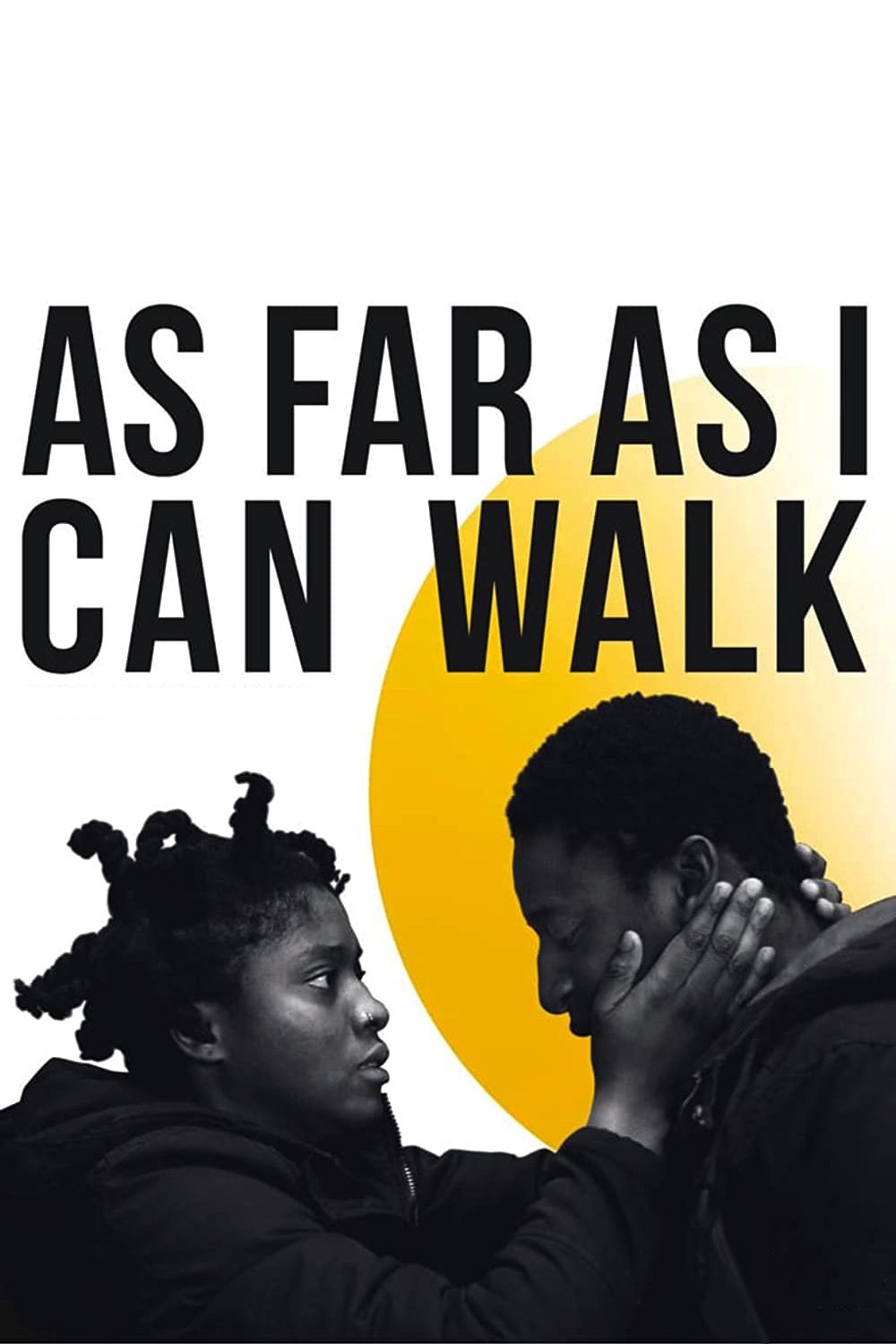
As Far as I Can Walk
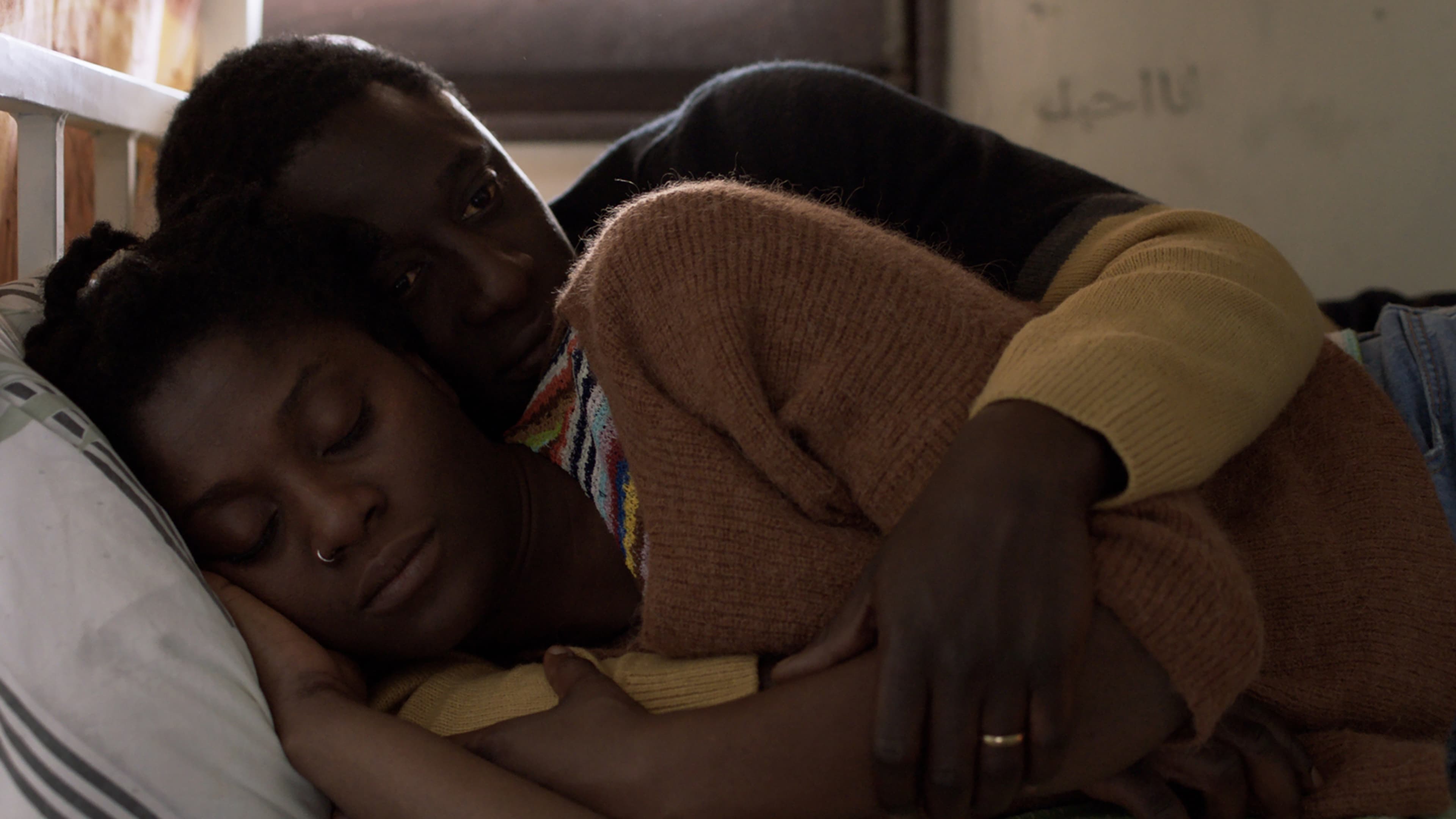
Strahinja and his wife Ababuo left Ghana with a dream of a better life in Europe. Instead of reaching the western part of the continent, they were deported back to Serbia. Strahinja has started to build himself a career, while Ababuo is unable to fulfil her ambitions and she feels increasingly frustrated. When she disappears one day, Strahinja sets out to find her… A crystal clear, humanistic story about the need to find one’s place in the world. It’s also a tale of love, the most profound testimony of which might also be the most painful.
Insights
Plot Summary
The film follows the story of Strahinja, a young man from a village who moves to Belgrade seeking a better life. He falls in love with a woman named Ana, who is struggling with her own challenges. Their relationship is tested as they navigate economic hardships and societal pressures in the city. Strahinja dedicates himself to helping Ana, embarking on a difficult journey that highlights themes of sacrifice, love, and perseverance.
Critical Reception
As Far as I Can Walk received positive reviews from critics, who praised its emotional depth, strong performances, and poignant portrayal of contemporary Serbian society. The film was particularly lauded for its sensitive exploration of love and resilience in the face of adversity.
What Reviewers Say
Praised for its heartfelt portrayal of love and sacrifice.
Noted for its authentic depiction of challenges faced by young people in Serbia.
Hailed for strong performances by the lead actors.
Google audience: Audience reception data is not readily available for Google reviews.
Awards & Accolades
Won awards at various international film festivals, including the Special Jury Award at the Karlovy Vary International Film Festival.
Fun Fact
The film's director, Stefan Arsenijević, stated that the inspiration for the story came from real-life experiences and observations of people he knew in Belgrade.
AI-generated overview · Verify ratings on official sources