Movie spotlight
Women Who Shouldn't Get Married
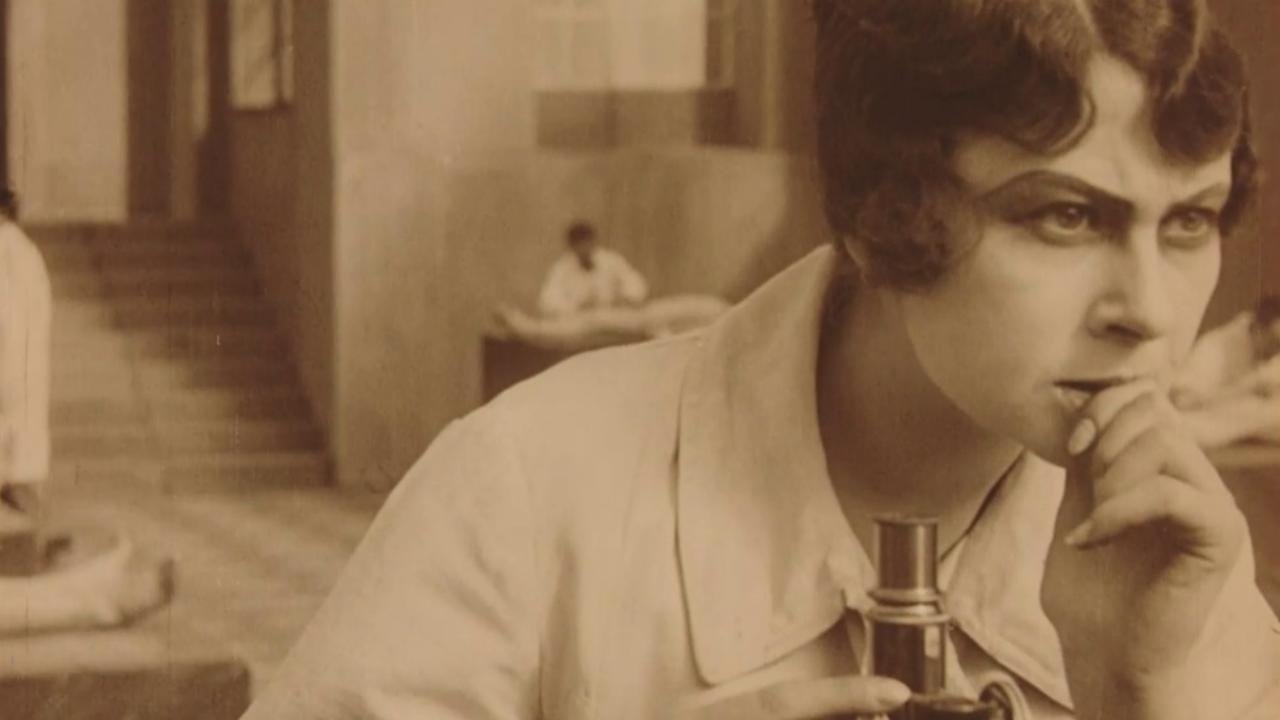
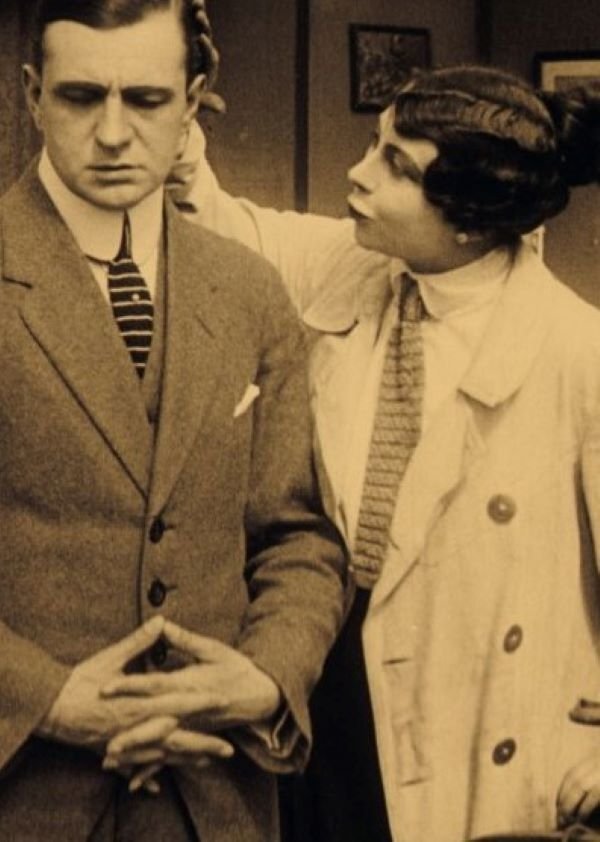
The doctor Ada Haller pursues a successful career as a scientist, in which she comes more and more into conflict with her marriage and the role expected by society as a woman. An extremely progressive and conventional film at the same time, which takes up modern themes and shows parallels to the life of the leading actress: Esther Carena, real name Franziska Lucia Pfeiffer, studied medicine for a semester before she came to film through acrobatics and pantomime; after their marriage in 1924, she withdrew from an extremely successful silent film career into private life.
Insights
Plot Summary
This silent film explores the societal pressures and personal desires of women in the early 20th century regarding marriage. It follows several women as they navigate romantic entanglements, career aspirations, and the expectations placed upon them by family and society. The narrative delves into the consequences of their choices, whether they conform to traditional roles or seek independence.
Critical Reception
As a silent film from 1919, contemporary critical reception is difficult to ascertain with precision. However, Clara Kimball Young was a prominent star of the era, suggesting the film likely garnered attention for her performance and its topical themes. Modern historical analysis often views it as a reflection of shifting gender roles and attitudes towards marriage.
What Reviewers Say
The film offers a glimpse into the domestic and social concerns of women during a transformative period.
Clara Kimball Young's performance is noted as a central draw for the picture.
It reflects the complexities and evolving perceptions of marriage and female independence in the early 20th century.
Google audience: Information on Google user reviews from 1919 is unavailable.
Fun Fact
Clara Kimball Young was one of the most popular actresses in Hollywood during the silent film era, often referred to as 'The Queen of the Movies'.
AI-generated overview · Verify ratings on official sources