Movie spotlight
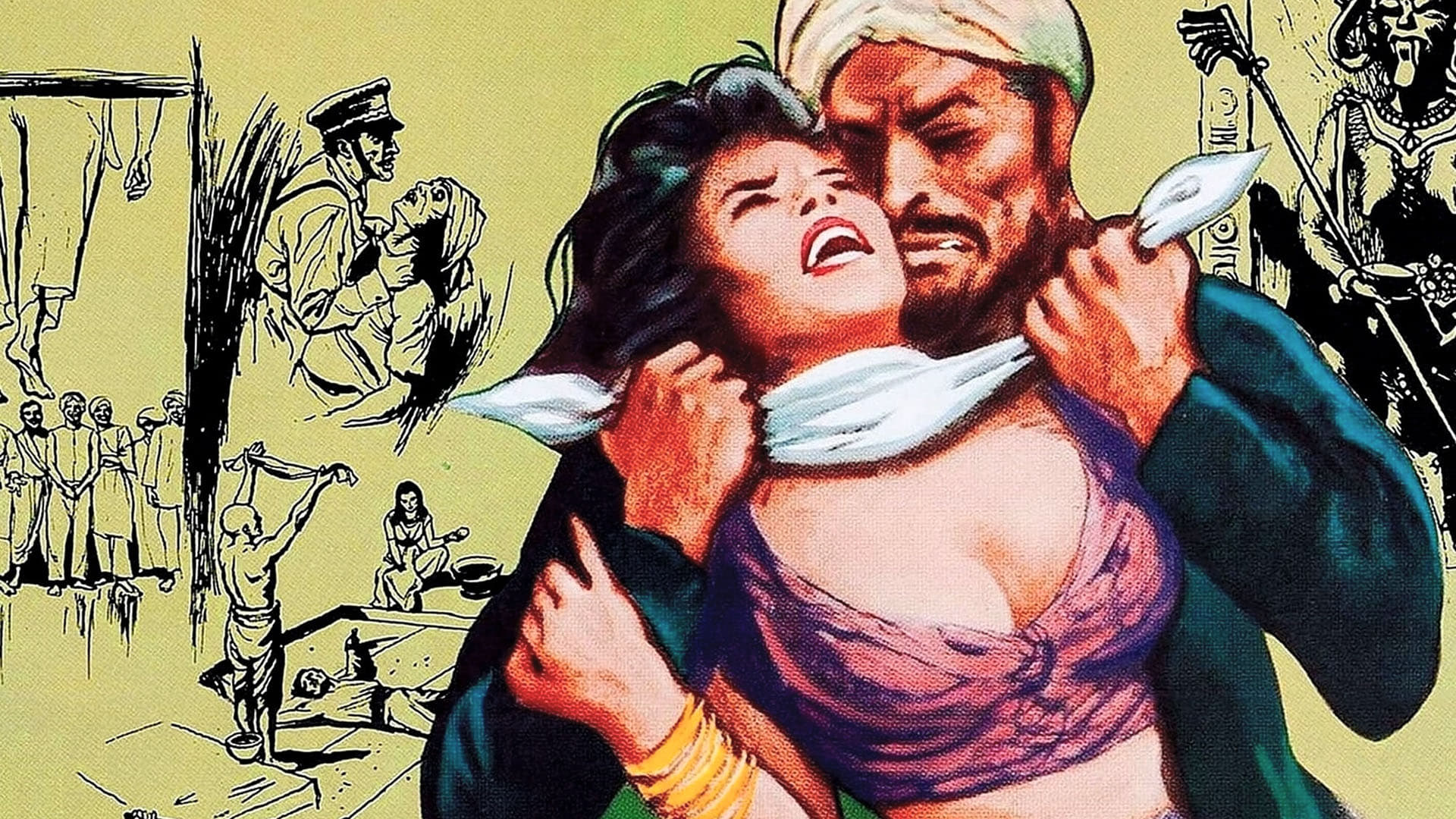
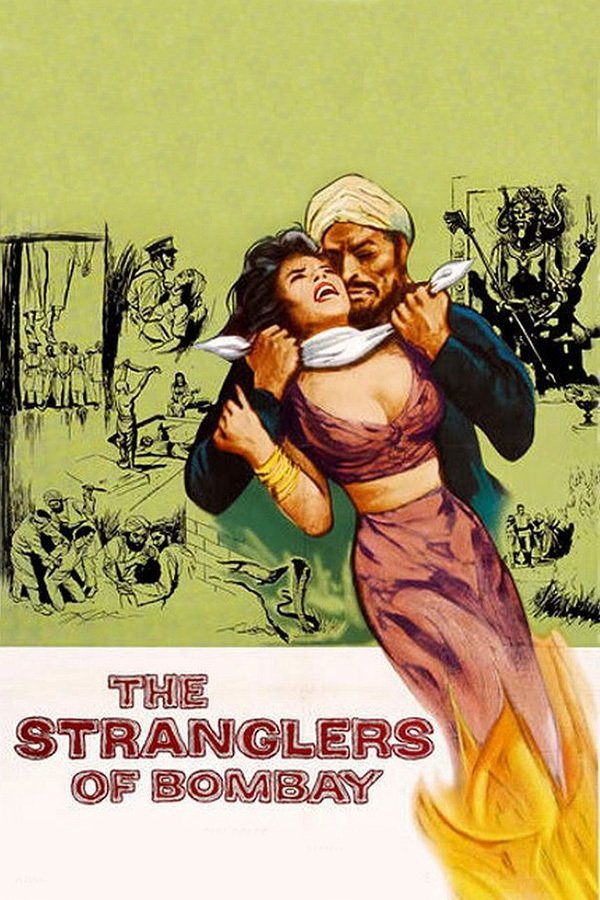
The Stranglers of Bombay
In 1826 British-ruled India, the secret Cult of Thugee demonstrates their worship of their goddess, Kali, by the mutilation and mass murder of thousands of Indians while pirating the shipments of the British East-Indian Tea Company. As the British military leaders play down the implications of the piracy and disappearances, a lone captain realizes that they are not just coincidence and sets out to uncover the source of the deviltry, at the risk of his career. Based on history.
Insights
Plot Summary
In 19th-century India, a British military officer investigates a series of mysterious disappearances. He uncovers a sinister cult known as the Thugs, who worship the goddess Kali and engage in ritualistic strangulation to appease her. As the officer delves deeper, he finds himself in increasing danger from the cult's members, including their charismatic leader, while trying to prevent further bloodshed and expose their horrifying practices.
Critical Reception
Upon its release, 'The Stranglers of Bombay' was met with a mixed but generally favorable reception for its atmospheric horror and historical setting. While some critics found its depiction of the Thuggee cult sensationalized, others praised its direction and suspense. It has since gained recognition as a notable entry in Hammer Film Productions' horror catalog.
What Reviewers Say
Praised for its atmospheric and suspenseful presentation of a dark historical subject.
Noted for its vivid, albeit sensationalized, portrayal of the Thuggee cult and its rituals.
Recognized as a solid example of Hammer's early horror output with effective direction.
Google audience: Information on specific Google user reviews and their consensus is not readily available for this film.
Awards & Accolades
None notable.
Fun Fact
The film was one of Hammer Film Productions' earliest forays into historical horror, drawing inspiration from the real-life Thuggee cult that terrorized travelers in ancient India.
AI-generated overview · Verify ratings on official sources