
Insights
Plot Summary
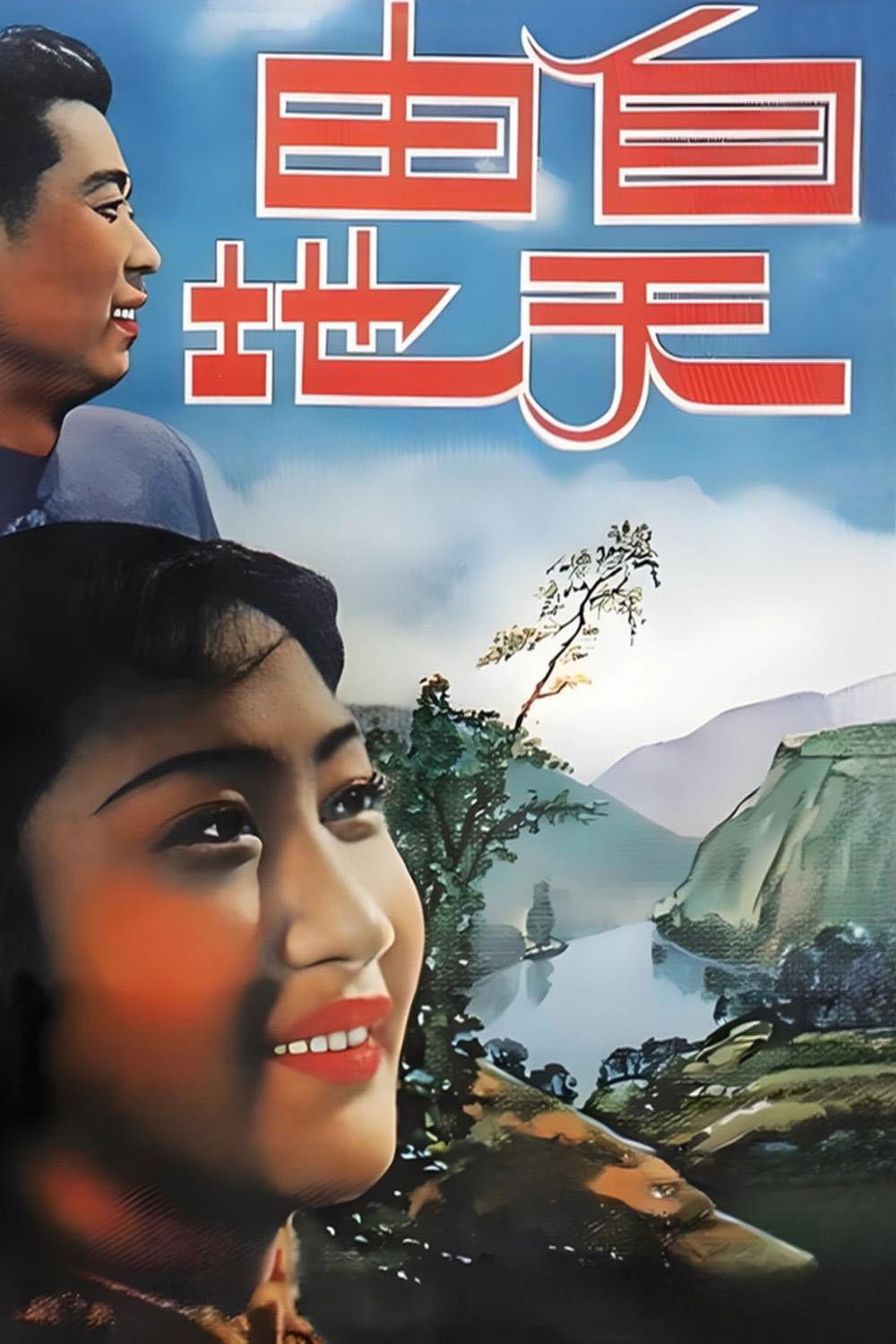
Set during a fictional war, the film explores themes of resistance and sacrifice. A group of ordinary citizens find themselves in extraordinary circumstances, forced to make difficult choices to protect their freedom and way of life. The narrative focuses on their moral dilemmas and the profound impact of conflict on their personal lives and relationships.
Critical Reception
As a significant early Danish film exploring wartime themes, "The Living Days" (literal translation of the title) was noted for its serious tone and its reflection of societal anxieties during a turbulent period. While specific critical reviews from its initial release are scarce, the film is recognized for its contribution to Danish cinema's engagement with political and social issues.
What Reviewers Say
Acknowledged for its historical significance in Danish cinema.
Praised for tackling complex themes of freedom and resistance.
Considered a thoughtful, albeit somber, depiction of wartime challenges.
Google audience: Information regarding Google user reviews for this 1937 film is not readily available.
Fun Fact
The film's director, Kaj Munk, was also a prominent Danish playwright and clergyman, and he himself was killed by the Gestapo in 1944 for his resistance activities.
AI-generated overview · Verify ratings on official sources