
Insights
Plot Summary
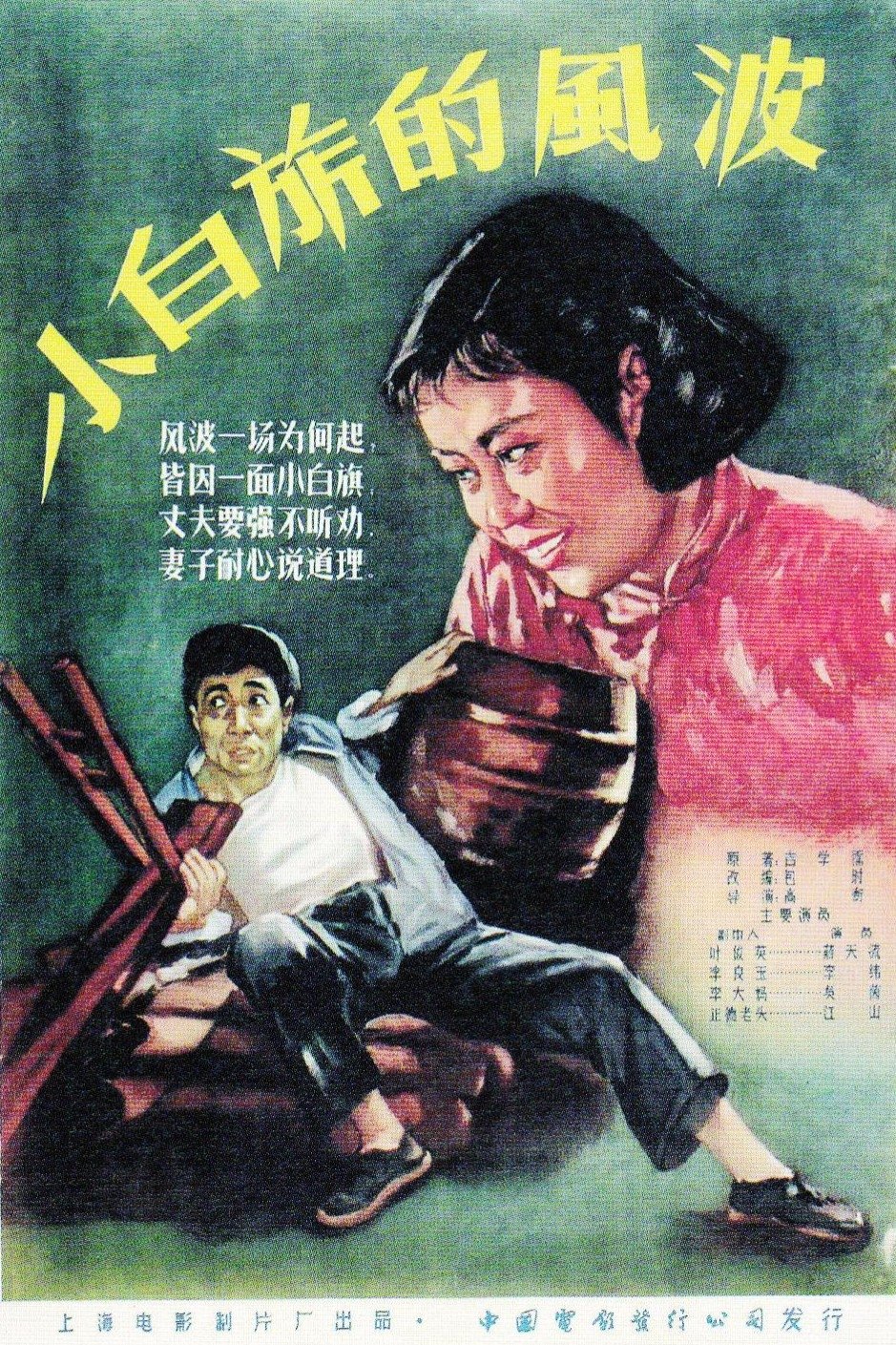
Set against the backdrop of land reform in early 1950s China, the film depicts the complex relationships and evolving social dynamics within a village. It follows the struggles and transformations of families as they navigate the redistribution of land and the dismantling of old hierarchies. The narrative explores themes of loyalty, betrayal, and the pursuit of a better future amidst political upheaval.
Critical Reception
As an early film from the People's Republic of China, 'The White Flag Incident' is recognized for its historical significance and its portrayal of a pivotal moment in Chinese society. While critically examined within its specific historical context, it is often noted for its realistic depiction of rural life and the human impact of political change.
What Reviewers Say
Praised for its historical documentation of land reform.
Commended for its portrayal of rural Chinese life and societal shifts.
Acknowledged for its dramatic representation of complex human relationships during a period of change.
Google audience: Information regarding specific Google user reviews for this 1956 Chinese film is not readily available through standard public databases.
Fun Fact
The film was produced by the Changchun Film Studio, one of the earliest and most influential film studios in China during the People's Republic era.
AI-generated overview · Verify ratings on official sources