
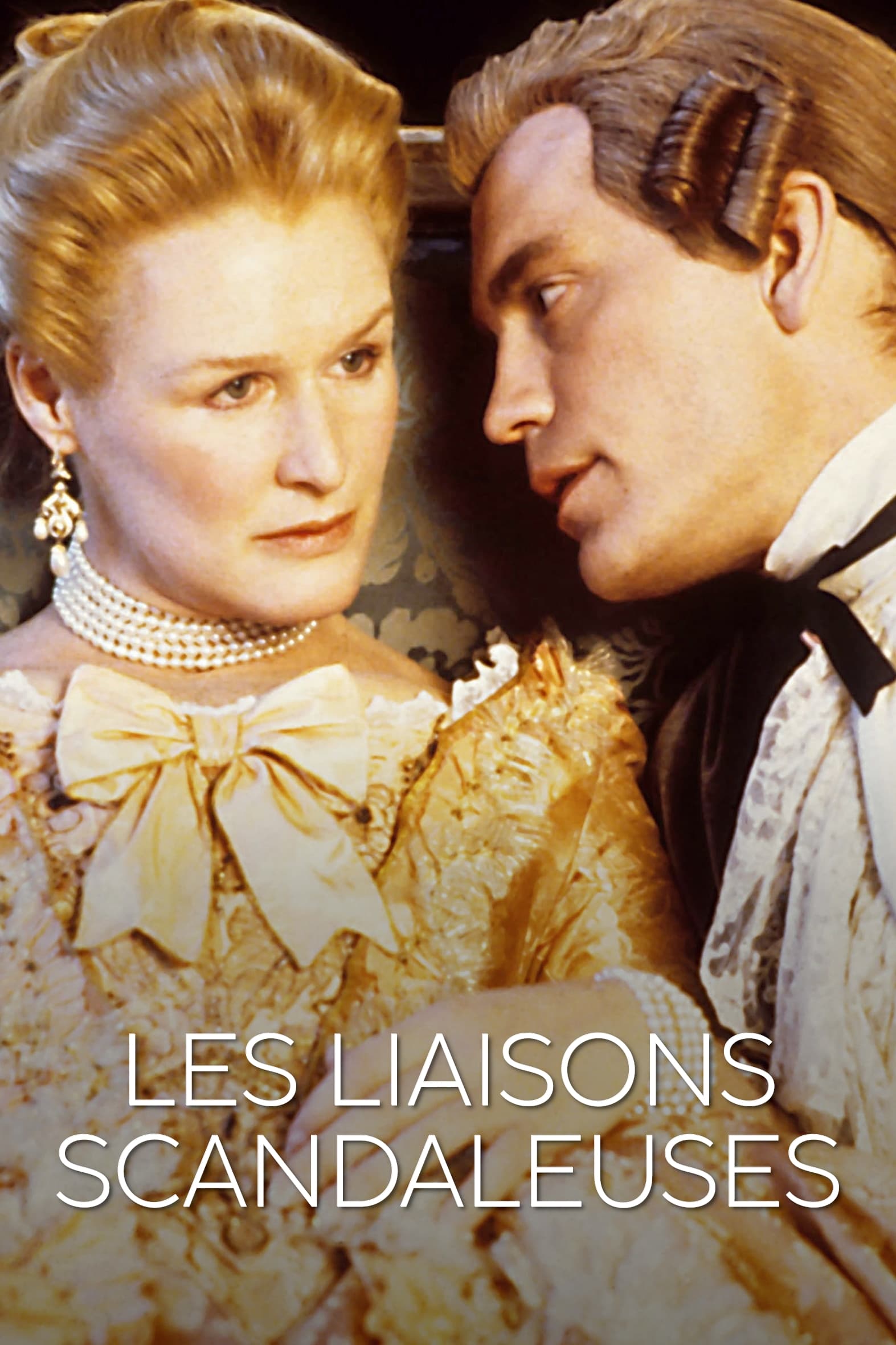
Movie spotlight
Dangerous Liaisons: A Feminist Manifesto?
Well known for its exploration of seduction and revenge, the “Dangerous Liaisons” by Choderlos de Laclos caused a scandal from its first publication in 1782. Despite – or because of the scandal – the book was a top-seller. Since then, it stood the test of time. Combining eras, continents and people, the novel is adapted around the world. Marvelous tool for reflection on the female condition, social satire announcing the Revolution, remarkable work on the conflicting nature of love but also of the gender war, consecration of the power of the words, a libertine manual… “Dangerous Liaisons” is all of these at once.
Insights
Plot Summary
This documentary explores the enduring legacy and subversive interpretations of Pierre Choderlos de Laclos' 1782 epistolary novel, 'Les Liaisons dangereuses'. It examines how the novel's exploration of power, manipulation, and female agency has been re-contextualized and debated through various adaptations and critical lenses, particularly from a feminist perspective.
Critical Reception
Information regarding critical reception and audience ratings for 'Dangerous Liaisons: A Feminist Manifesto?' is not widely available. As a niche documentary focusing on film analysis and literary theory, it may not have received broad mainstream coverage or widespread theatrical release.
What Reviewers Say
While specific reviews are scarce, analyses of the topic suggest the documentary likely delves into the complexities of female characters in the original novel and subsequent adaptations.
It's probable that the film prompts discussions on whether the novel and its iterations inadvertently or intentionally offer a feminist critique of patriarchal structures.
The documentary likely highlights the continuous scholarly and public debate surrounding the novel's portrayal of women's power and vulnerability.
Google audience: No specific audience reviews are available for this title. Generally, documentaries of this nature tend to be appreciated by viewers interested in literary analysis, gender studies, and film history, who often engage in nuanced discussions about the subject matter.
Fun Fact
The original novel 'Les Liaisons dangereuses' was banned upon its publication in 1782 due to its perceived immorality and scandalous content, yet it quickly became a literary sensation.
AI-generated overview · Verify ratings on official sources