Movie spotlight
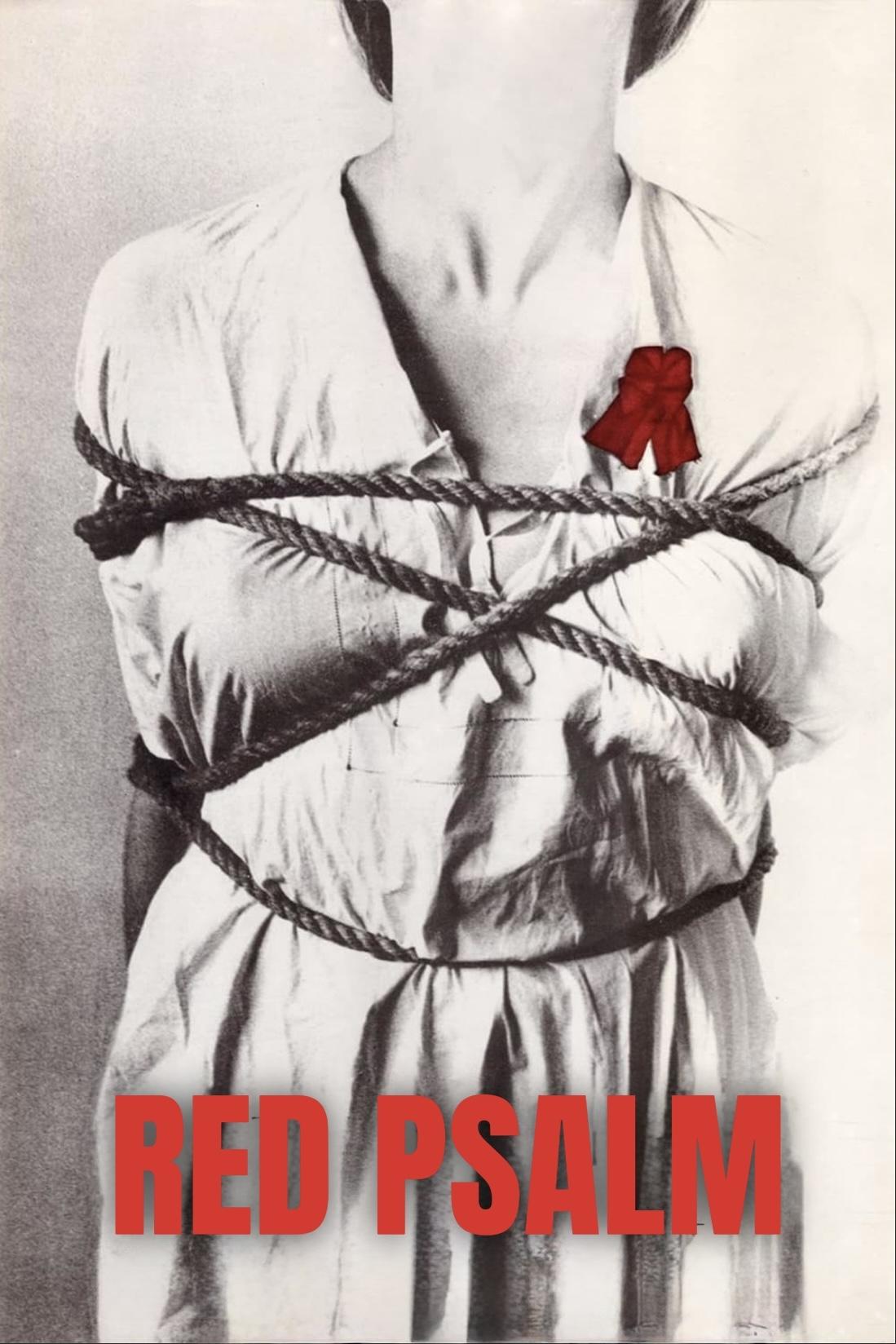
Red Psalm
Set in the 1890s on the Hungarian plains, a group of farm workers go on strike in which they face harsh reprisals and the reality of revolt, oppression, morality and violence.
Insights
Plot Summary
The film chronicles the tumultuous history of Hungary through a series of allegorical and symbolic vignettes, focusing on themes of revolution, oppression, and the enduring struggle for freedom. It depicts the cyclical nature of political upheaval, from peasant uprisings to the red terror and beyond. The narrative is non-linear, weaving together historical events and mythic elements to create a powerful meditation on national identity and historical memory.
Critical Reception
Miklós Jancsó's 'Red Psalm' is a landmark of Hungarian cinema, lauded for its unique visual style and profound political commentary. Critics praised its daring cinematic language, characterized by long takes, precise choreography, and stark, open landscapes, which effectively conveyed the brutality and cyclical nature of historical violence. While its abstract and symbolic approach can be challenging, the film is widely regarded as a masterful and influential work that transcends specific historical moments to explore universal themes of power, resistance, and the human cost of ideology.
What Reviewers Say
Praised for its striking visual poetry and symbolic depth.
Acknowledged for its bold and innovative cinematic techniques.
Seen as a challenging but rewarding exploration of Hungarian history and political struggle.
Google audience: Information not available.
Awards & Accolades
Won the Best Director award at the Cannes Film Festival in 1972.
Fun Fact
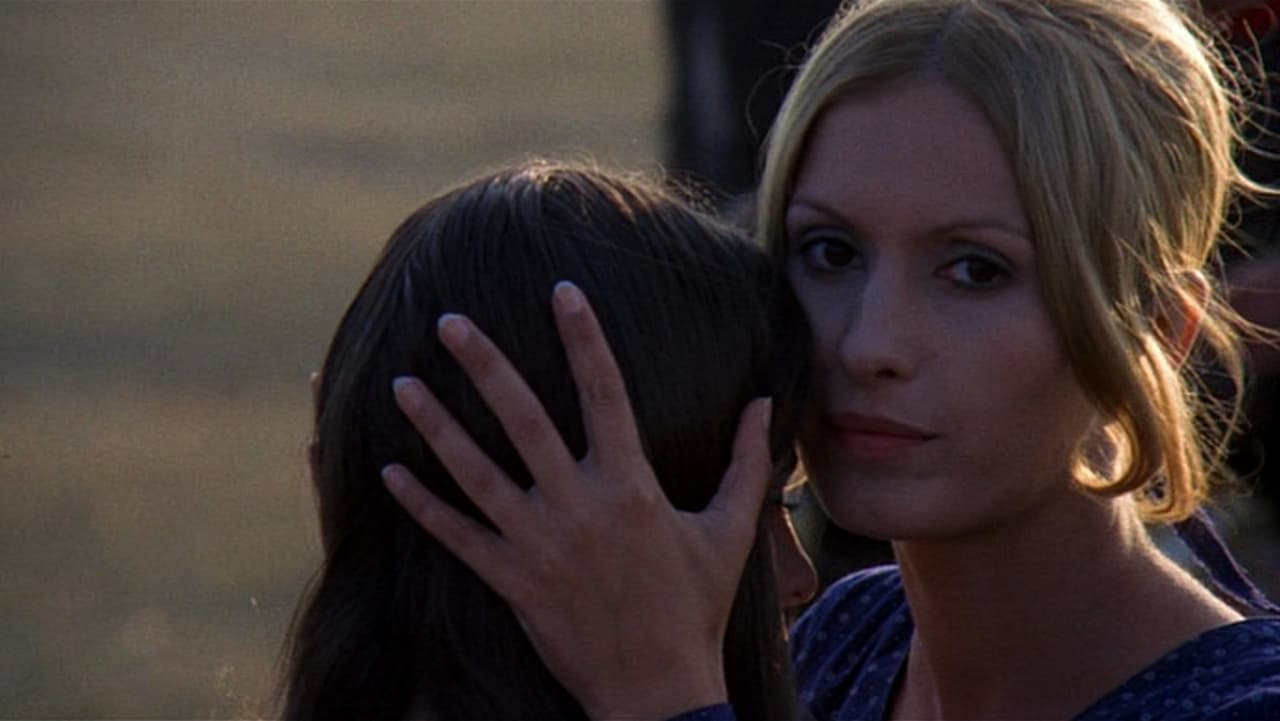
Miklós Jancsó famously used a stark, minimalist aesthetic in 'Red Psalm,' employing vast, open landscapes and meticulously choreographed movements of actors to create a sense of ritualistic and historical inevitability.
AI-generated overview · Verify ratings on official sources