Movie spotlight
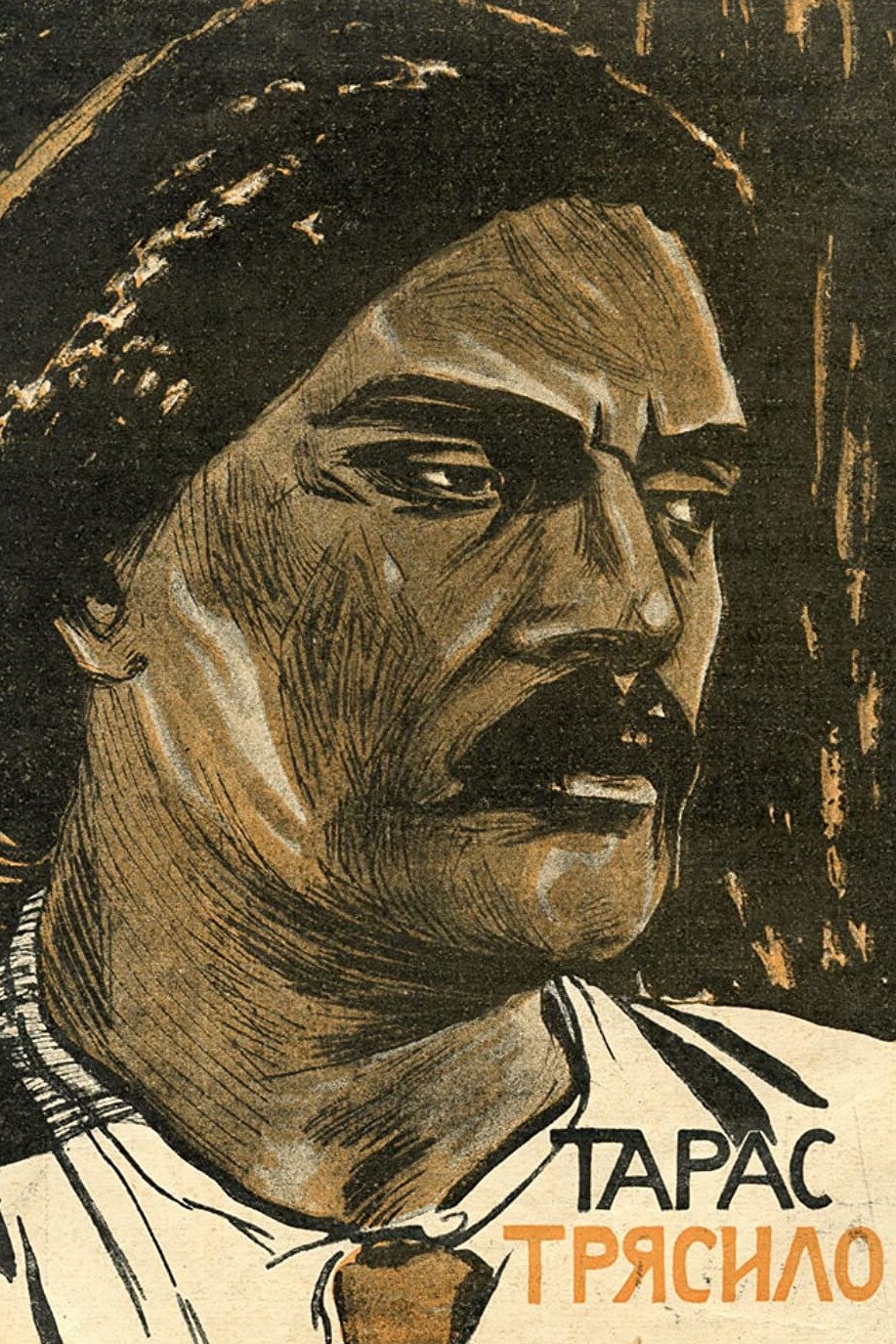
Taras Tryasylo
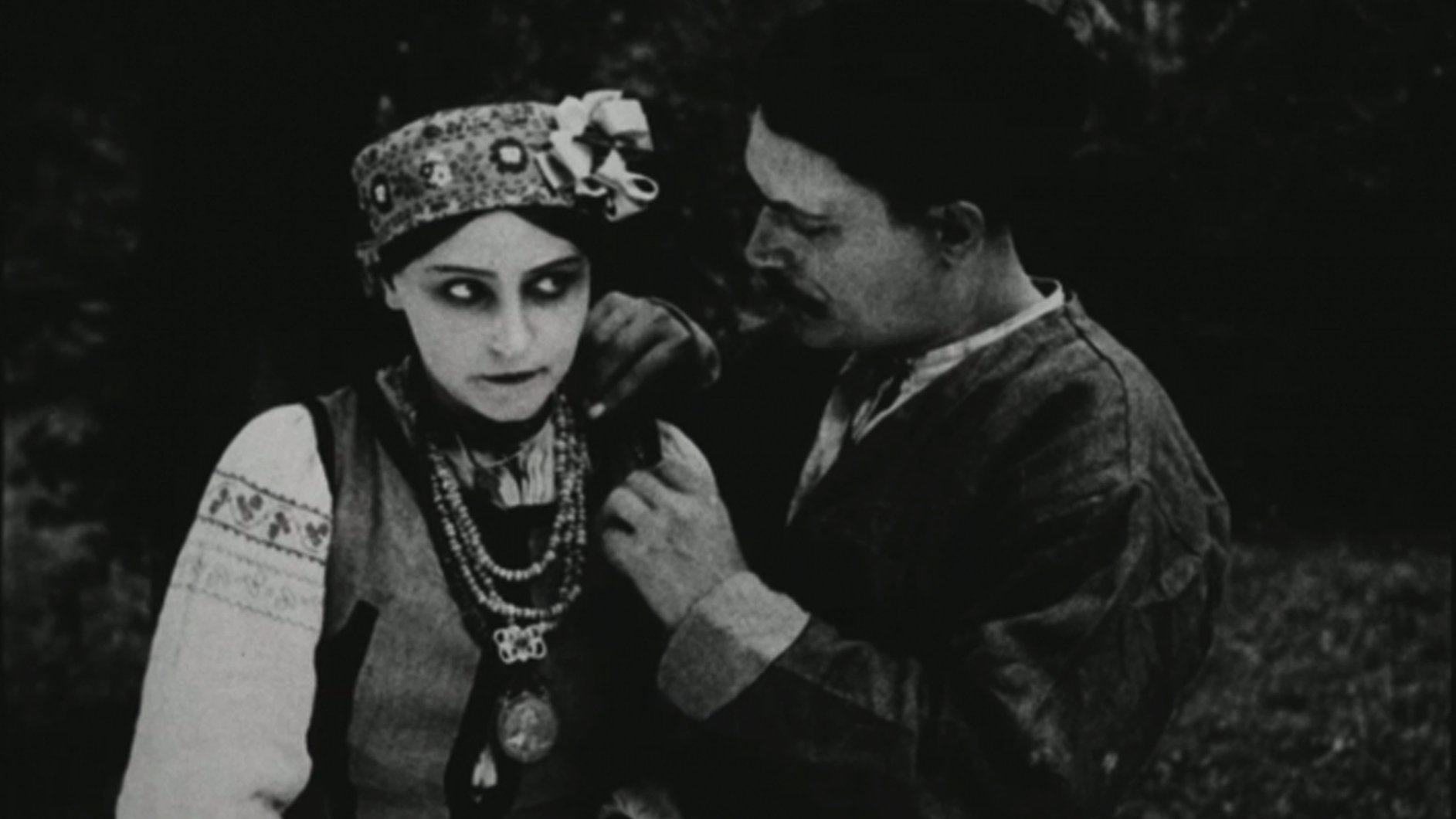
The film is set in the 17th century, when social antagonism is at its peak. The poverty of peasants and poor Cossacks is opposed to the lavish lifestyle of the Ukrainian and Polish noblemen, priests, and Cossack officers. Cossacks fight off Tatars’ attacks, however, they start to realise that the real enemy is much closer. Taras Triasylo raises Cossacks to help the rebellious peasants. A dramatic historical narrative, masterly mass shootings of horse attacks, hand-to-hand combats and public festivities contrast with lounge scenes in the palace – balls, feasts, and entertainment of rich people and their family members wearing brocade clothes. On a grand scale and with an eye for detail, the director draws the texture of the film and its characters. The leading actors of Les Kurbas’s theatre Berezil played film protagonists. The film based on Volodymyr Sosiura’s verse novel of 1925 was considered lost for a long time.
Insights
Plot Summary
Set during the tumultuous period of the Ukrainian War of Independence, the film chronicles the peasant uprising led by Taras Tryasylo against Polish landlords. It depicts the struggle for freedom and national identity, highlighting the harsh realities of the conflict and the resilience of the Ukrainian people. The narrative focuses on the peasant's fight for liberation and their enduring spirit in the face of oppression.
Critical Reception
Taras Tryasylo is considered a significant work in Soviet cinema, praised for its epic scope and portrayal of historical events from a particular ideological perspective. While lauded for its visual style and thematic ambition at the time of its release, its historical accuracy and narrative focus have been subjects of critical discussion, often viewed through the lens of its propaganda elements and its place within the broader context of Soviet Ukrainian film production.
What Reviewers Say
Visually striking with powerful imagery characteristic of Dovzhenko's style.
A historical epic that reflects the political climate and nationalistic sentiments of its era.
The film's narrative is deeply intertwined with Soviet ideology and historical interpretation.
Google audience: Information on Google user reviews for this specific historical film is not readily available or aggregated.
Awards & Accolades
None notable in terms of major international awards as per modern standards; it was a significant film within the Soviet film industry of its time.
Fun Fact
Aleksandr Dovzhenko, the director, was known for his poetic and visually distinctive style, often incorporating elements of Ukrainian folklore and landscape into his films, which is evident in 'Taras Tryasylo'.
AI-generated overview · Verify ratings on official sources